Boston, MA · bakery
Best neighborhoods for a bakery in Boston
Finding the right location is critical for any bakery's success. In Boston's competitive food scene, choosing the right neighborhood can make or break your business. Locavisor's neighborhood scoring system helps identify the best neighborhoods for a bakery in Boston based on demand, competition, rent fit, accessibility, and customer match.
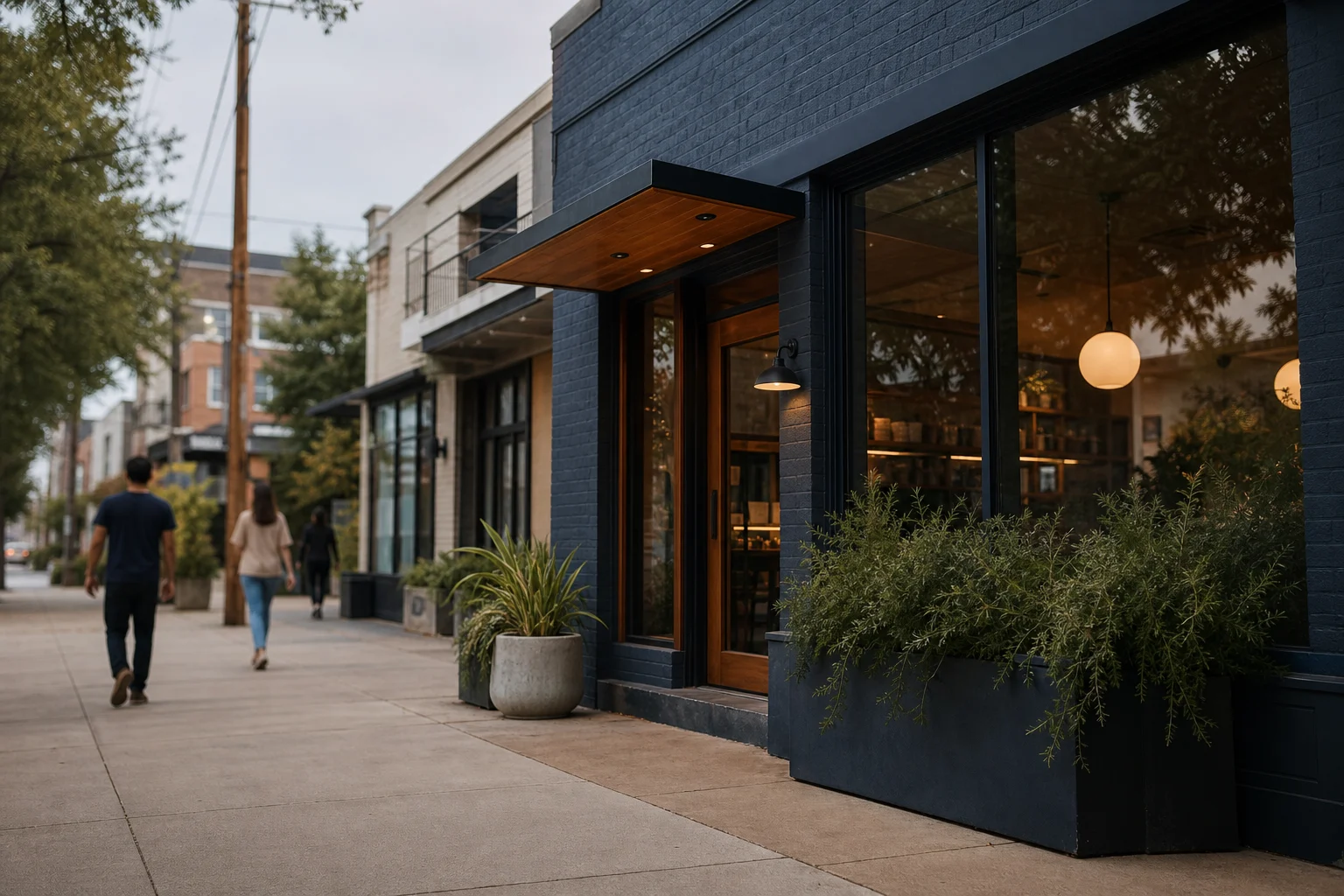
Why location fit matters for a bakery
Location determines visibility, foot traffic, and accessibility for your bakery. A prime spot can attract regular customers and build brand recognition. Boston's diverse neighborhoods each offer unique customer demographics and commercial opportunities. The right location aligns with your target market while balancing costs and competition.
Top 3 neighborhoods to consider
Based on Locavisor neighborhood scoring, these three areas stand out as the best options for opening a bakery in Boston:
Quincy Center / North Quincy (7.7/10)
Top-ranked area with a strong competitionFit and rentFit score — the best value proposition in the set. Hancock St corridor has strong morning and lunch daypart signals, anchored by North Quincy Plaza and the Red Line. Paris Baguette (4.1★, 154 reviews) and Panera Bread (3.9★, 976 reviews) are nearby but both score moderate on quality; there's room for a higher-quality independent bakery.
Assembly Row (Somerville) (6.5/10)
High-energy mixed-use node with maxed-out walkability, daytime population density, and retail anchor density. The Assembly Row mall, Orange Line station, and dense apartment towers create strong foot traffic. But rent proxy is in the premium band ($65-95/sqft NNN) — a serious stretch for a medium-budget bakery.
East Boston (6.4/10)
East Boston is a dense, walkable neighborhood along the Blue Line with strong residential density and a growing waterfront. Lolly's Bakery (4.5★, 573 reviews) is the established local player — inexpensive, well-loved, closed Sundays. Portillo's Bakery (5★, 1 review) is unproven. Rent proxy is in the premium band ($65-95/sqft NNN), driven by waterfront gentrification.
How the neighborhood scores are built
Locavisor's neighborhood scoring system evaluates multiple factors to determine the best areas for a bakery in Boston. Each neighborhood receives an overall score from 1-10 based on market temperature, competition density, rent level, and other location-specific factors. The scoring system considers both quantitative metrics and qualitative neighborhood characteristics.
Market temperature indicates the overall business environment in each area. Quincy Center / North Quincy shows a promising market temperature, suggesting favorable conditions for new bakery businesses. Competition density measures how many similar businesses already operate in the area. Quincy Center / North Quincy has medium competition density, indicating room for new entrants.
Rent level reflects the cost of commercial space in each neighborhood. Quincy Center / North Quincy has a medium-high rent level, balancing affordability with location quality. The scoring system also considers accessibility factors like proximity to public transportation and major roads, which are crucial for customer access.
How to validate the shortlist before signing a lease
Before committing to a location, conduct thorough due diligence. Visit each neighborhood at different times of day to observe foot traffic patterns. Talk to local business owners about their experiences and challenges. Check with the city's planning department about any upcoming developments or zoning changes that could impact your business.
Consider the specific characteristics of each neighborhood that align with your bakery concept. Quincy Center / North Quincy offers strong morning and lunch traffic, ideal for a bakery focused on breakfast and lunch crowds. Assembly Row provides high visibility and dense daytime population but at premium rent costs. East Boston has strong residential density but faces competition from established players like Lolly's Bakery.
Evaluate the practical aspects of each location. Consider parking availability, delivery access, and visibility from main streets. Check if the space meets your specific requirements for equipment installation, ventilation, and customer flow. Factor in the cost of build-out and any necessary renovations to the space.
Common mistakes founders make in Boston
Many bakery founders underestimate the importance of location research. They often focus on product quality while neglecting the critical factor of where to open a bakery in Boston. This oversight can lead to choosing a location with insufficient foot traffic or excessive competition.
Another common mistake is overestimating the budget for commercial space. Boston's prime locations come with premium rent costs that can strain a bakery's finances. Founders should carefully evaluate the rent level in their chosen neighborhood and ensure it aligns with their business model and revenue projections.
Some founders fail to properly research the local competition. Understanding the existing bakeries and their strengths and weaknesses is crucial for positioning your business. Quincy Center / North Quincy has medium competition density with established players like Paris Baguette and Panera Bread, both of which score moderate on quality, indicating room for a higher-quality independent bakery.

FAQ
Where is the best location for A Bakery in Boston?
Based on Locavisor neighborhood scoring, Quincy Center / North Quincy ranks as the best location for a bakery in Boston with an overall score of 7.7/10. This area offers a strong competitionFit and rentFit score, making it the best value proposition among Boston neighborhoods. The Hancock St corridor provides strong morning and lunch daypart signals, anchored by North Quincy Plaza and the Red Line.
What makes Quincy Center / North Quincy ideal for a bakery?
Quincy Center / North Quincy offers a promising market temperature with medium competition density. The area has strong morning and lunch traffic patterns, ideal for bakery businesses. While rent levels are medium-high, the overall value proposition makes it the top choice for bakery founders.
How does Assembly Row compare to other Boston neighborhoods for a bakery?
Assembly Row (Somerville) ranks second with a score of 6.5/10. It offers high walkability, daytime population density, and retail anchor density. However, the rent proxy is in the premium band ($65-95/sqft NNN), which may be challenging for medium-budget bakery operations.
What should I know about East Boston as a bakery location?
East Boston ranks third with a score of 6.4/10. It's a dense, walkable neighborhood along the Blue Line with strong residential density and a growing waterfront. The established local player is Lolly's Bakery (4.5★, 573 reviews), which is inexpensive and well-loved but closed Sundays. Rent levels are in the premium band ($65-95/sqft NNN) due to waterfront gentrification.
How does Locavisor determine the best neighborhoods for a bakery?
Locavisor uses a neighborhood scoring system that evaluates multiple factors including market temperature, competition density, rent level, accessibility, and customer match. Each neighborhood receives an overall score from 1-10 based on these location-specific factors. The scoring system considers both quantitative metrics and qualitative neighborhood characteristics to identify the best areas for bakery businesses.
What's the confidence level of Quincy Center / North Quincy's top ranking?
Quincy Center / North Quincy's top ranking has a score confidence of 82%, based on data from the 2026-05 snapshot. This indicates a high level of confidence in the accuracy of the neighborhood scoring for this location.
Are there any upcoming developments that might affect these bakery locations?
The data provided is based on a 2026-05 snapshot and doesn't include information about upcoming developments. Founders should conduct additional research with local planning departments to understand any proposed changes that might impact these neighborhoods in the future.
Last reviewed: 2026-05-08
Sources: U.S. Census Bureau ACS, LEHD LODES, Google Places, OpenStreetMap, Locavisor neighborhood scoring.
Methodology: Locavisor scores neighborhoods across demand, competition fit, rent fit, accessibility, and customer match. Scores reflect a snapshot of recent data and should be combined with on-the-ground research before lease decisions.
Disclaimer: This article provides informational content only and does not constitute legal, financial, accounting, or real-estate advice. Verify lease terms, licensing, local regulations, costs, and professional requirements with qualified local professionals before making business decisions.
Free preview shows top 3 neighborhoods. Full $9.99 report covers all 10 areas with personalized scoring + 90-day check-ins.
Informational only. Verify lease, licensing, local regulations, costs, and professional requirements with qualified local professionals.