Denver, CO · bakery
Best neighborhoods for a bakery in Denver
Finding the right location is critical for any bakery's success. When considering where to open a bakery in Denver, neighborhood selection can make or break your business. Locavisor's neighborhood scoring system helps identify areas with the right mix of demand, competition, and customer base to maximize your chances of success.
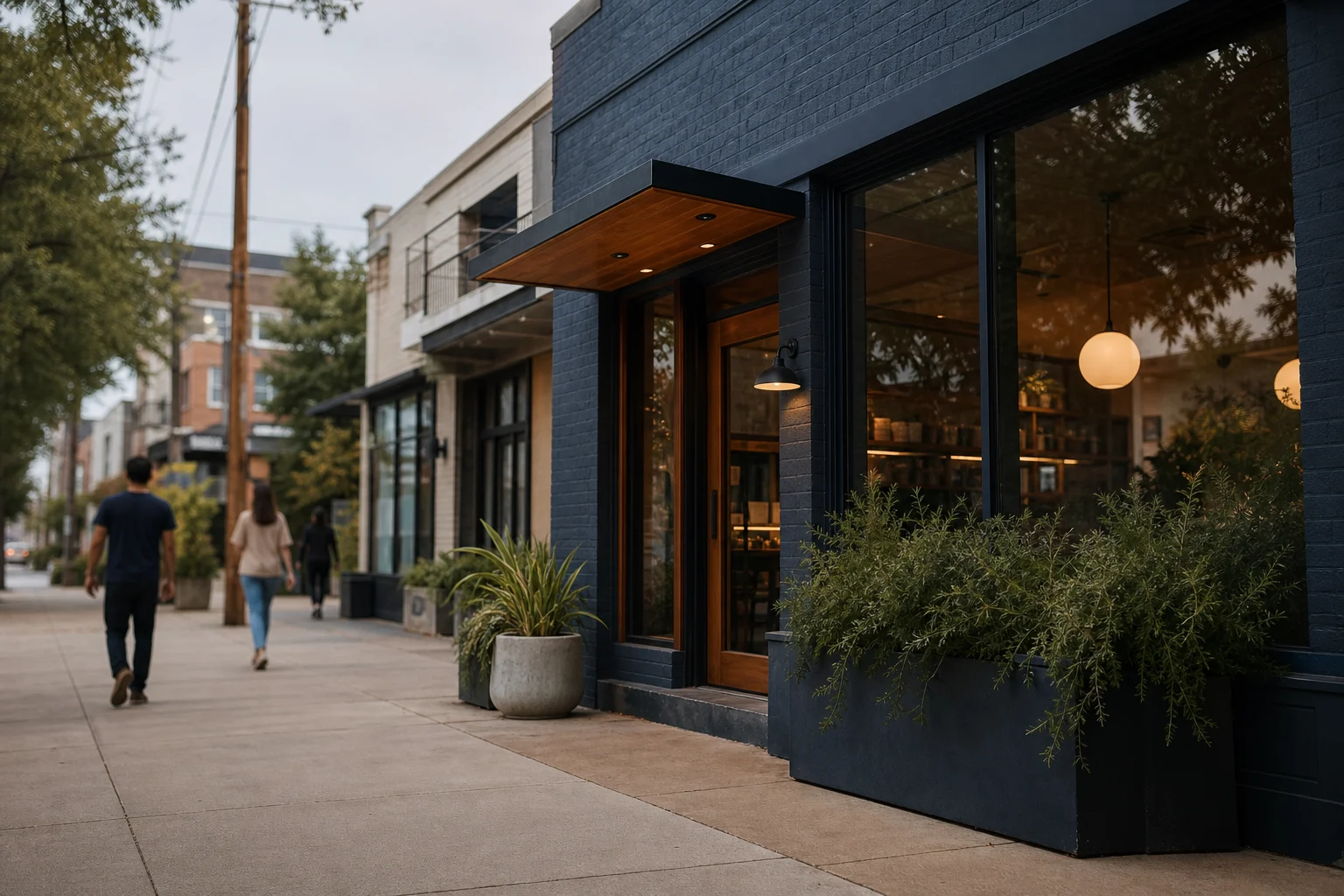
Why location fit matters for a bakery
Location impacts every aspect of bakery operations. Your visibility, foot traffic, delivery logistics, and customer demographics all depend on where you set up shop. A well-chosen neighborhood provides the right customer base at the right times of day. Denver's diverse neighborhoods offer different opportunities for bakery businesses. Some areas have strong morning commuter traffic perfect for coffee and pastries. Others have residential density supporting daily bread needs. Tourist-heavy locations can drive weekend sales. Understanding these patterns helps match your bakery concept with the right neighborhood.
Top 3 neighborhoods to consider
Based on Locavisor neighborhood scoring, here are the top three areas for opening a bakery in Denver:
LoDo (Lower Downtown) (7.9/10)
LoDo is Denver's highest-traffic downtown corridor — Union Station commuters, Coors Field event crowds, Larimer Square tourists, and a dense office-worker base. The walkability is maxed out, morning and lunch dayparts are near ceiling, and the area already supports multiple bakeries (Trompeau 4.5★, LoDough 4.9★) validating demand. Rent runs roughly $30-50/sqft NNN — workable for medium-budget.
The market temperature is promising with medium competition density and low rent levels. With a score confidence of 78%, LoDo represents the best overall fit for a bakery in Denver according to Locavisor's 2026-05 snapshot data.
RiNo (River North Art District) (7.5/10)
RiNo is Denver's creative-class hub — murals, galleries, breweries, and The Denver Central Market anchor a walkable industrial-chic corridor. Office density is strong, residential density is solid, and tourist draw is above-average.
The market temperature is promising with medium competition density and low rent levels. With a score confidence of 78%, RiNo offers strong potential for a bakery concept that aligns with the neighborhood's artistic and industrial aesthetic.
Five Points (7.2/10)
Five Points blends historic jazz-district character with Welton Street light-rail access and growing residential density. It's adjacent to RiNo and downtown, with strong walkability and daytime population.
The market temperature is promising with medium competition density and low rent levels. With a score confidence of 78%, Five Points provides a more affordable option while still offering good connectivity to both residents and visitors.
How the neighborhood scores are built
Locavisor's neighborhood scoring system evaluates multiple factors to determine the best areas for a bakery. The scoring process considers demand indicators like foot traffic patterns, existing food service businesses, and residential density. Competition density assesses how many similar businesses already operate in the area. Rent levels help determine affordability for different business models. Accessibility measures include public transportation options, parking availability, and walkability scores. Customer match evaluates how well the neighborhood demographics align with typical bakery patrons.
Each factor receives a weighted score based on its importance to bakery success. The final score represents an overall assessment of neighborhood fit for a bakery business. The 2026-05 snapshot data provides the most current view of Denver's neighborhood landscape.
How to validate the shortlist before signing a lease
Before committing to a location, conduct your own due diligence. Visit each neighborhood at different times of day and days of the week. Observe foot traffic patterns and note where people are coming from and going to. Talk to local business owners about their experiences. Check for any upcoming developments that might impact the area positively or negatively.
Consider your specific bakery concept. A high-end patisserie might perform better in LoDo's business district, while a community-focused bakery might thrive in Five Points. RiNo's artistic vibe could support a unique concept that stands out from the crowd.
Review lease terms carefully. The $30-50/sqft NNN rent in these areas represents a baseline. Actual costs may vary based on specific properties and lease negotiations. Factor in build-out costs, which can be significant for bakery spaces requiring specialized equipment and ventilation.

Common mistakes founders make in Denver
Many bakery founders underestimate the importance of neighborhood fit. They focus too much on rent costs without considering whether the location attracts their target customers. Others fail to research existing competition thoroughly, leading to oversaturated markets.
Some founders don't account for Denver's seasonal variations. Winter weather can significantly impact foot traffic in certain neighborhoods. Summer events might boost business in tourist areas but could create inconsistent revenue streams.
Timing your opening is another critical factor. Some neighborhoods have strong morning rushes but quiet afternoons. Others see more evening traffic. Understanding these patterns helps optimize staffing and inventory.
FAQ
Where is the best location for A Bakery in Denver?
Based on Locavisor's neighborhood scoring, LoDo (Lower Downtown) is the best location for a bakery in Denver with an overall score of 7.9/10. The area offers high foot traffic from commuters, tourists, and office workers, with strong morning and lunch demand. Existing bakeries like Trompeau and LoDough validate the market. Rent in LoDo ranges from $30-50/sqft NNN, making it workable for medium-budget operations.
How does competition affect bakery success in Denver?
Competition density varies across Denver's neighborhoods. The top three areas all have medium competition density, indicating there's room for additional bakeries while still having enough market validation from existing businesses. The presence of established bakeries in these areas suggests customer demand for baked goods.
What are the rent expectations for bakery spaces in Denver?
Rent levels in the top three neighborhoods are considered low, with LoDo specifically noted at $30-50/sqft NNN. This represents a baseline, and actual costs may vary based on specific properties and lease terms. Consider additional costs for build-out, which can be significant for bakery spaces requiring specialized equipment.
How important is walkability for a bakery location?
Walkability is crucial for bakery success. LoDo, in particular, has "maxed out" walkability according to the data. High walkability means more potential customers can easily access your location, especially important for impulse purchases like pastries and coffee. Good walkability also supports delivery operations and customer convenience.
What's the best time of day to open a bakery in Denver?
The optimal opening time depends on the neighborhood. LoDo has strong morning and lunch dayparts "near ceiling," suggesting early morning openings would capture the commuter rush. RiNo's creative-class hub might support later hours, while Five Points' growing residential density could benefit from both morning and evening traffic patterns.
Last reviewed: 2026-05-08
Sources: U.S. Census Bureau ACS, LEHD LODES, Google Places, OpenStreetMap, Locavisor neighborhood scoring.
Methodology: Locavisor scores neighborhoods across demand, competition fit, rent fit, accessibility, and customer match. Scores reflect a snapshot of recent data and should be combined with on-the-ground research before lease decisions.
Disclaimer: This article provides informational content only and does not constitute legal, financial, accounting, or real-estate advice. Verify lease terms, licensing, local regulations, costs, and professional requirements with qualified local professionals before making business decisions.
Free preview shows top 3 neighborhoods. Full $9.99 report covers all 10 areas with personalized scoring + 90-day check-ins.
Informational only. Verify lease, licensing, local regulations, costs, and professional requirements with qualified local professionals.