Los Angeles, CA · bakery
Best neighborhoods for a bakery in Los Angeles
Finding the perfect location for your bakery in Los Angeles requires more than just a good recipe. The city's sprawling landscape presents both opportunities and challenges for small business owners. Based on Locavisor's location intelligence analysis, Downtown LA (DTLA) emerges as the top neighborhood for bakery operations, scoring 7.6/10 in our comprehensive evaluation. This guide breaks down the five best neighborhoods for your bakery, providing the data-driven insights you need to make an informed decision about where to plant your business roots in LA.
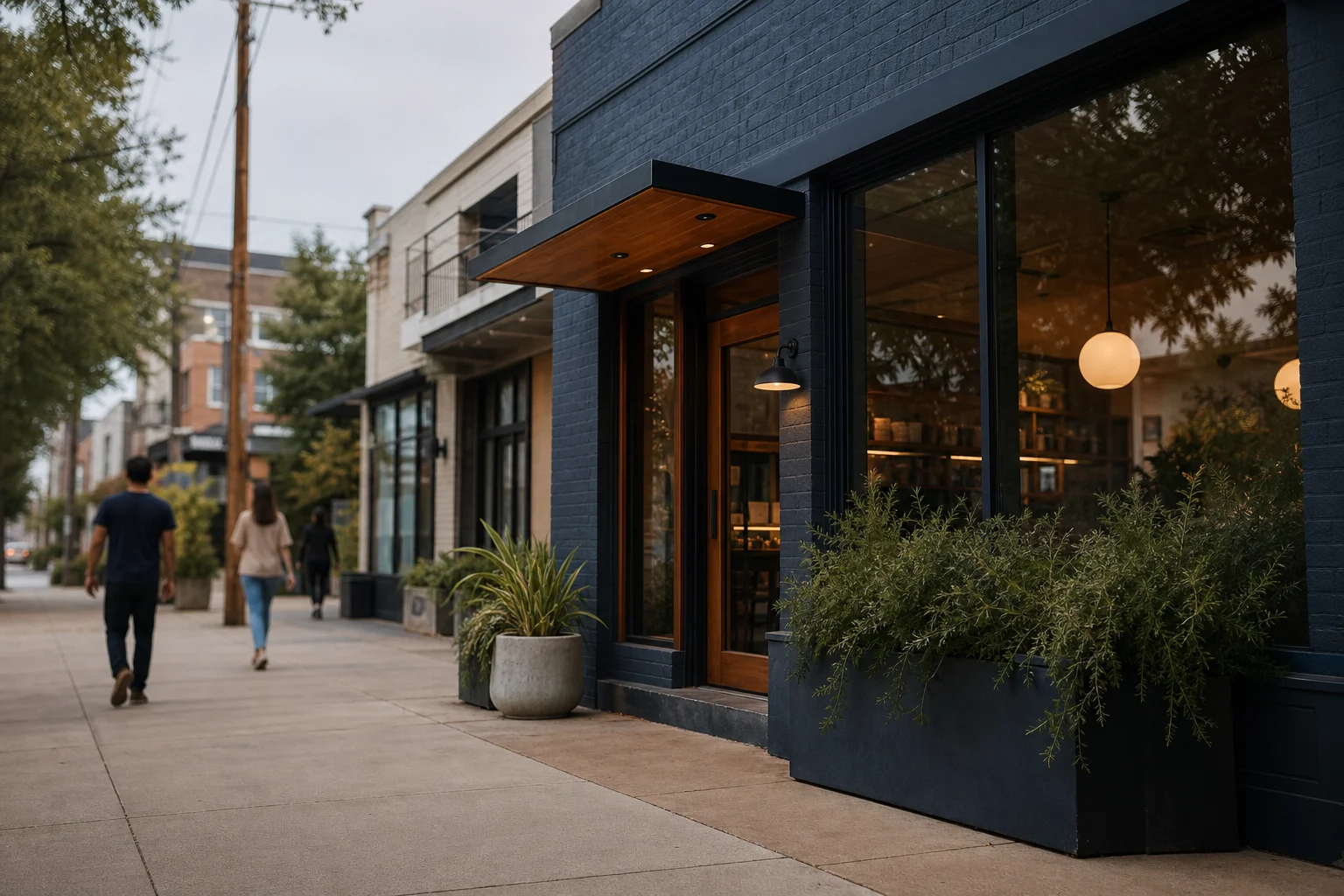
Where is the best location for a bakery in Los Angeles?
The answer depends on your specific business model, target customer base, and operational needs. However, our research consistently points to Downtown LA (DTLA) as the top neighborhood for bakery operations in Los Angeles. With a score of 7.6/10, DTLA offers the strongest combination of foot traffic, transit access, and business density for bakery entrepreneurs. The neighborhood's rent band of $32-$450/sqft/yr NNN reflects the premium location but also the potential for high revenue generation.
When evaluating neighborhoods for your bakery, consider these key factors:
- Proximity to office buildings and schools for weekday foot traffic
- Transit accessibility for both customers and employees
- Presence of complementary businesses that drive food-related demand
- Local competition density and market saturation
- Operating costs relative to revenue potential
DTLA's strength comes from its concentration of office workers, students, and tourists, creating consistent demand throughout the day. The neighborhood's anchors like FIGat7th mall, The Bloc, and major transit hubs ensure steady customer flow that can sustain a bakery business.
Top neighborhoods for a bakery in Los Angeles
Downtown LA (DTLA) - Score: 7.6/10
Downtown LA leads our rankings with its exceptional mix of office workers, students, and tourists. The neighborhood's rent band of $32-$450/sqft/yr NNN reflects its premium status but is justified by the high foot traffic potential. Key anchors include FIGat7th mall, The Bloc, and major transit connections at 7th Street/Metro Center. Existing bakery operations like Paris Baguette (4.2 stars, 281 reviews) and 85°C Bakery Cafe (4.3 stars, 573 reviews) demonstrate the market viability in this area.
Burbank - Score: 7.5/10
Burbank offers a slightly more suburban feel while maintaining strong business fundamentals. With a similar rent band of $32-$450/sqft/yr NNN, Burbank provides excellent value relative to its business density. The neighborhood benefits from Burbank Town Center and Burbank Empire Center as major anchors, plus convenient transit at Burbank Station. Venice Classic Pastry (4 stars, 64 reviews) shows that bakery concepts can thrive in this market.
Culver City - Score: 7.4/10
Culver City presents a balanced mix of residential and commercial spaces, making it attractive for bakeries targeting both locals and office workers. The rent band remains consistent at $32-$450/sqft/yr NNN, reflecting LA's overall market conditions. Grand Casino Bakery & Cafe (4.5 stars, 458 reviews) demonstrates strong customer satisfaction in this neighborhood, suggesting a receptive market for quality bakery products.
Sawtelle Japantown - Score: 7.2/10
This neighborhood offers a unique cultural context that can be leveraged for specialized bakery concepts. With the same rent band of $32-$450/sqft/yr NNN as other top neighborhoods, Sawtelle provides access to a dense Asian-American population and strong foot traffic from Westwood Gateway offices. Existing operations like Paris Bakery (4.1 stars, 135 reviews) and Rex Bakery (4.2 stars, 93 reviews) indicate market acceptance for bakery businesses.
Hollywood - Score: 6.9/10
While Hollywood scores slightly lower than other neighborhoods, it still presents viable opportunities for bakery entrepreneurs. The neighborhood's rent band of $32-$450/sqft/yr NNN is consistent with the market, and its tourist traffic can provide additional revenue streams. Pavilions Bakery (3.3 stars, 3 reviews) shows that while competition exists, there's room for quality operators to establish themselves.
Neighborhood comparison table
| Neighborhood | Score | Rent Band | Key Strengths | Competition Examples |
|---|---|---|---|---|
| Downtown LA (DTLA) | 7.6/10 | $32-$450/sqft/yr NNN | High foot traffic, transit access, business density | Paris Baguette, 85°C Bakery Cafe |
| Burbank | 7.5/10 | $32-$450/sqft/yr NNN | Suburban business district, good value | Venice Classic Pastry |
| Culver City | 7.4/10 | $32-$450/sqft/yr NNN | Balanced residential/commercial, strong local scene | Grand Casino Bakery & Cafe |
| Sawtelle Japantown | 7.2/10 | $32-$450/sqft/yr NNN | Cultural diversity, office worker density | Paris Bakery, Rex Bakery |
| Hollywood | 6.9/10 | $32-$450/sqft/yr NNN | Tourist traffic, entertainment industry presence | Pavilions Bakery |
How to validate the shortlist before signing a lease
Before committing to a location, conduct thorough due diligence to ensure the neighborhood matches your business needs. Visit each neighborhood during different times of day and days of the week to observe foot traffic patterns. Pay attention to when people are actually buying food and what types of businesses seem to attract the most customers.
Research local regulations and permits through the Los Angeles Department of City Planning and the Los Angeles County Department of Public Health. Bakery operations require specific permits for food preparation, so verify that your chosen location can accommodate these requirements. Check with the local planning department about any restrictions on signage, outdoor seating, or operating hours.
Assess the competition density in each neighborhood. While some competition indicates market demand, excessive saturation can make it difficult to establish your brand. Look for gaps in the market that your bakery could fill, whether that's specialized products, unique service models, or better quality than existing options.
Consider the logistics of your supply chain. Proximity to ingredient suppliers, delivery routes, and employee commuting patterns can significantly impact your operational costs. DTLA's central location offers advantages for both customer access and supply chain efficiency.
Local competition signals to check
Analyzing existing bakery operations provides valuable insights into market dynamics. In DTLA, Paris Baguette and 85°C Bakery Cafe demonstrate that there's demand for both established chains and independent operators. Their review counts (281 and 573 respectively) indicate consistent customer traffic and brand recognition.
Customer review themes from these bakeries reveal important market preferences. Many reviewers note fast service and quality products as key factors in their positive experiences. However, some mention wait times during peak hours, suggesting that efficient operations are crucial for success.
In Sawtelle Japantown, the presence of multiple bakeries like Paris Bakery and Rex Bakery shows that the neighborhood can support specialized concepts. Their price points (both $$ and $$$) indicate that customers are willing to pay premium prices for quality products in this market.
When evaluating competition, look beyond just other bakeries. Coffee shops, cafes, and restaurants also serve baked goods and compete for the same customer dollars. Assess whether these businesses complement or directly compete with your bakery concept.

FAQ
Q: What's the average rent I should expect for a bakery space in these top neighborhoods? A: Based on Locavisor research, the rent band for bakery spaces in Los Angeles' top neighborhoods ranges from $32-$450/sqft/yr NNN. This wide range reflects differences in location quality, building amenities, and lease terms. Downtown LA tends to be at the higher end of this spectrum due to premium foot traffic, while neighborhoods like Burbank may offer better value for similar square footage.
Q: How important is transit access for a bakery location in Los Angeles? A: Extremely important. Neighborhoods with strong transit connections like Downtown LA (with 7th Street/Metro Center) and Burbank (with Burbank Station) show higher customer traffic and more consistent business throughout the day. Employees also benefit from accessible public transportation, reducing turnover and improving operational reliability.
Q: Should I be concerned about competition from existing bakeries? A: Competition indicates market demand, which is generally positive. However, assess whether the competition offers products similar to your concept. In neighborhoods like Sawtelle Japantown, existing bakeries may cater to specific cultural preferences, leaving room for different approaches. Look for gaps in the market that your bakery could fill with unique products or service models.
Q: What's the best time of day to visit potential neighborhoods for observation? A: Conduct observations during morning commute hours (7-9 AM), lunch periods (11:30 AM-1:30 PM), and evening rush (5-7 PM) on both weekdays and weekends. These windows reveal peak customer traffic patterns and help you understand when your bakery would be busiest. Also visit during off-peak hours to assess baseline foot traffic.
Last reviewed: 2026-05-30
Sources: U.S. Census Bureau ACS, LEHD LODES, Google Places, OpenStreetMap, Locavisor neighborhood scoring.
Methodology: Locavisor scores neighborhoods across demand, competition fit, rent fit, accessibility, and customer match. Scores reflect a snapshot of recent data and should be combined with on-the-ground research before lease decisions.
Disclaimer: This article provides informational content only and does not constitute legal, financial, accounting, or real-estate advice. Verify lease terms, licensing, local regulations, costs, and professional requirements with qualified local professionals before making business decisions.
Free preview shows top 3 neighborhoods. Full $9.99 report covers all 10 areas with personalized scoring + 90-day check-ins.
Informational only. Verify lease, licensing, local regulations, costs, and professional requirements with qualified local professionals.