Philadelphia, PA · bakery
Best neighborhoods for a bakery in Philadelphia
Finding the best location for a bakery in Philadelphia requires careful analysis of neighborhood characteristics, customer demographics, and market conditions. The right neighborhood can make the difference between a thriving business and one that struggles to gain traction. Philadelphia offers several promising areas for bakery entrepreneurs, each with unique advantages and challenges.
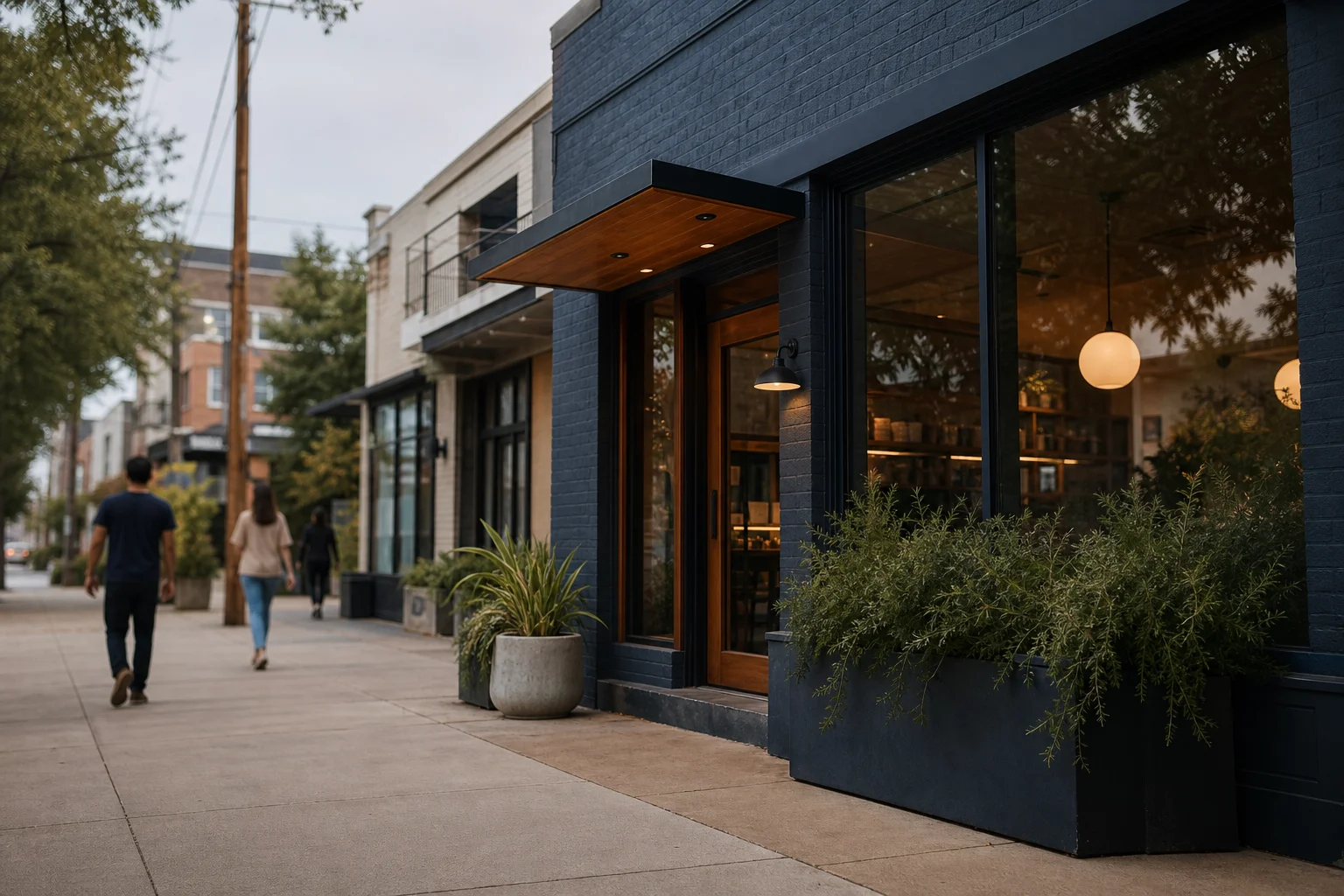
Why location fit matters for a bakery
Location is arguably the most critical factor for a bakery's success. Unlike many other businesses, bakeries rely heavily on foot traffic and impulse purchases. A bakery in a high-traffic area with the right demographic profile can generate consistent revenue without heavy marketing investment. The best neighborhoods for bakeries typically feature strong daytime populations, good walkability, and complementary businesses that create natural customer flow. Philadelphia's diverse neighborhoods offer different opportunities for bakery concepts, from artisanal bread focused areas to dessert-centric locations near tourist attractions.
Top 3 neighborhoods to consider
Based on Locavisor neighborhood scoring, three Philadelphia areas stand out as the best options for opening a bakery. Each offers distinct advantages and challenges that align with different business models and budget considerations.
University City (6.0/10)
University City ranks highest overall thanks to massive daytime population from Penn and Drexel, strong walkability, and a commuter-friendly morning/lunch daypart. Rent is steep at roughly $65-95/sqft NNN, but the student+office mix delivers reliable volume. The market temperature is mixed with medium competition density. This area's score confidence is 75% based on the 2026-05 snapshot data. The daytime population surge from universities creates consistent demand for breakfast and lunch items, while the office workers contribute to steady afternoon traffic. Despite the high rent, the volume potential makes University City an attractive option for well-capitalized bakery concepts.
Fairmount / Art Museum Area (5.9/10)
The Philadelphia Museum of Art and Eastern State Penitentiary draw tourist traffic, and the office index is strong. But rent is near the top of the scale at roughly $65-95/sqft NNN, and the only direct bakery competitor (Antoinette's Boulangerie) has no rating data — an unknown threat. This neighborhood's market temperature is mixed with medium competition density. The tourist attractions create weekend and seasonal demand peaks that can supplement weekday business from office workers. The lack of clear competitor data presents both opportunity and risk for new bakery entrants. The high rent levels require strong sales projections to justify the investment.
Spring Garden / Loft District (5.9/10)
Spring Garden / Loft District is a high-walkability, loft-conversion corridor with strong office-worker density and excellent transit (Broad-Spring Garden subway station). The rent proxy is near-max at roughly $90-140/sqft NNN — the highest bracket in this set — making the rentFit score a serious red flag for a medium-budget bakery. The market temperature is mixed with medium competition density. The excellent transit connections and walkability make this area accessible to a broad customer base, while the loft-conversion aesthetic appeals to a demographic that often appreciates artisanal food products. However, the premium rent levels require either a well-capitalized operation or a very high-revenue concept to succeed.
How the neighborhood scores are built
Locavisor neighborhood scoring evaluates potential bakery locations across multiple dimensions to provide a comprehensive assessment. The scoring system considers demand factors like daytime population, walkability scores, and transit accessibility. Competition density analysis examines existing food service businesses, particularly direct competitors like bakeries and cafes. Rent fit assessment compares neighborhood rental rates to typical bakery revenue models to determine financial viability. Customer match evaluates demographic alignment with bakery patronage patterns. Each neighborhood receives an overall score from 1-10, with higher scores indicating better overall fit for bakery operations. The scoring methodology uses proprietary algorithms to weight these factors according to their impact on bakery success metrics.
How to validate the shortlist before signing a lease
Before committing to a lease in any of these neighborhoods, bakery founders should conduct additional validation research. Visit each area at different times of day to observe actual foot traffic patterns and customer demographics. Count the number of people passing by potential locations during key bakery hours. Research existing businesses in the area to understand the local commercial ecosystem. Talk to neighboring business owners about neighborhood characteristics and customer traffic patterns. Consider conducting a small-scale pop-up or catering event in the neighborhood to test product acceptance. Review local zoning regulations to ensure bakery operations are permitted. These validation steps can provide practical insights that complement the neighborhood scoring data.
Common mistakes founders make in Philadelphia
Many bakery entrepreneurs make avoidable mistakes when selecting locations in Philadelphia. One common error is underestimating the impact of rent on profitability. High-rent areas like those in our top three require substantial sales volume to justify the expense. Another mistake is failing to account for seasonality in tourist-heavy areas like Fairmount/Art Museum, which can experience significant traffic fluctuations. Some founders overlook the importance of understanding the local competitive landscape, particularly when direct competitor data is unavailable as in the Fairmount area. Another pitfall is selecting a location based solely on aesthetics rather than functional considerations like visibility, accessibility, and operational requirements. Finally, many new bakery owners fail to properly assess the alignment between their specific concept and neighborhood demographics, leading to mismatched offerings and customer expectations.

FAQ
Where is the best location for A Bakery in Philadelphia?
Based on Locavisor neighborhood scoring, University City ranks as the best overall location for a bakery in Philadelphia with a score of 6.0/10. This area benefits from a massive daytime population from Penn and Drexel universities, strong walkability, and a commuter-friendly morning/lunch daypart. While rent is high at roughly $65-95/sqft NNN, the student and office worker mix delivers reliable customer volume. The market temperature is mixed with medium competition density, and the score confidence is 75% based on the 2026-05 snapshot data.
What makes University City particularly suitable for a bakery?
University City's suitability for a bakery stems from its consistent daytime population from universities and offices, strong walkability scores, and natural alignment with breakfast and lunch dayparts. The area's high rent levels are offset by the volume potential from the concentrated customer base. The mixed market temperature and medium competition density suggest neither oversaturation nor underserved conditions.
How does the rent in these top neighborhoods compare?
Rent levels in all three top neighborhoods are relatively high, reflecting their desirable status in Philadelphia. University City and Fairmount/Art Museum Area both have rents in the range of roughly $65-95/sqft NNN. Spring Garden/Loft District has the highest rent levels in this set, ranging from roughly $90-140/sqft NNN. These premium rent levels require strong sales projections and well-capitalized operations to ensure profitability.
Are there any direct competitors in these areas?
Competition density is medium across all three neighborhoods. In Fairmount/Art Museum Area, there is one known direct competitor, Antoinette's Boulangerie, though it has no rating data available. The lack of comprehensive competitor data in this area presents both opportunity and risk for new bakery entrants. University City and Spring Garden/Loft District have medium competition density, suggesting neither oversaturated nor underserved conditions.
How reliable are these neighborhood scores?
The neighborhood scores have varying levels of confidence based on data availability. University City has a score confidence of 75% based on the 2026-05 snapshot data. The scores reflect a comprehensive assessment of demand factors, competition density, rent fit, and customer match. While these scores provide valuable guidance, founders should conduct additional validation research before making location decisions.
What should I consider beyond these neighborhood scores?
While neighborhood scores provide valuable guidance, bakery founders should consider additional factors when selecting a location. These include specific site characteristics like visibility, accessibility, and parking availability. Operational requirements such as ventilation, utilities, and compliance with health regulations should also be evaluated. Financial considerations include not just rent but also build-out costs, permitting fees, and working capital requirements. Finally, alignment between the specific bakery concept and neighborhood demographics should be carefully assessed.
Last reviewed: 2026-05-08
Sources: U.S. Census Bureau ACS, LEHD LODES, Google Places, OpenStreetMap, Locavisor neighborhood scoring.
Methodology: Locavisor scores neighborhoods across demand, competition fit, rent fit, accessibility, and customer match. Scores reflect a snapshot of recent data and should be combined with on-the-ground research before lease decisions.
Disclaimer: This article provides informational content only and does not constitute legal, financial, accounting, or real-estate advice. Verify lease terms, licensing, local regulations, costs, and professional requirements with qualified local professionals before making business decisions.
Free preview shows top 3 neighborhoods. Full $9.99 report covers all 10 areas with personalized scoring + 90-day check-ins.
Informational only. Verify lease, licensing, local regulations, costs, and professional requirements with qualified local professionals.