Seattle, WA · bakery
Best neighborhoods for a bakery in Seattle
Finding the right location is critical for any bakery's success. In a competitive market like Seattle, choosing the best neighborhoods for a bakery can make the difference between thriving and merely surviving. This article examines the top neighborhoods for opening a bakery in Seattle, analyzing key factors like demand, competition, rent fit, accessibility, and customer match.
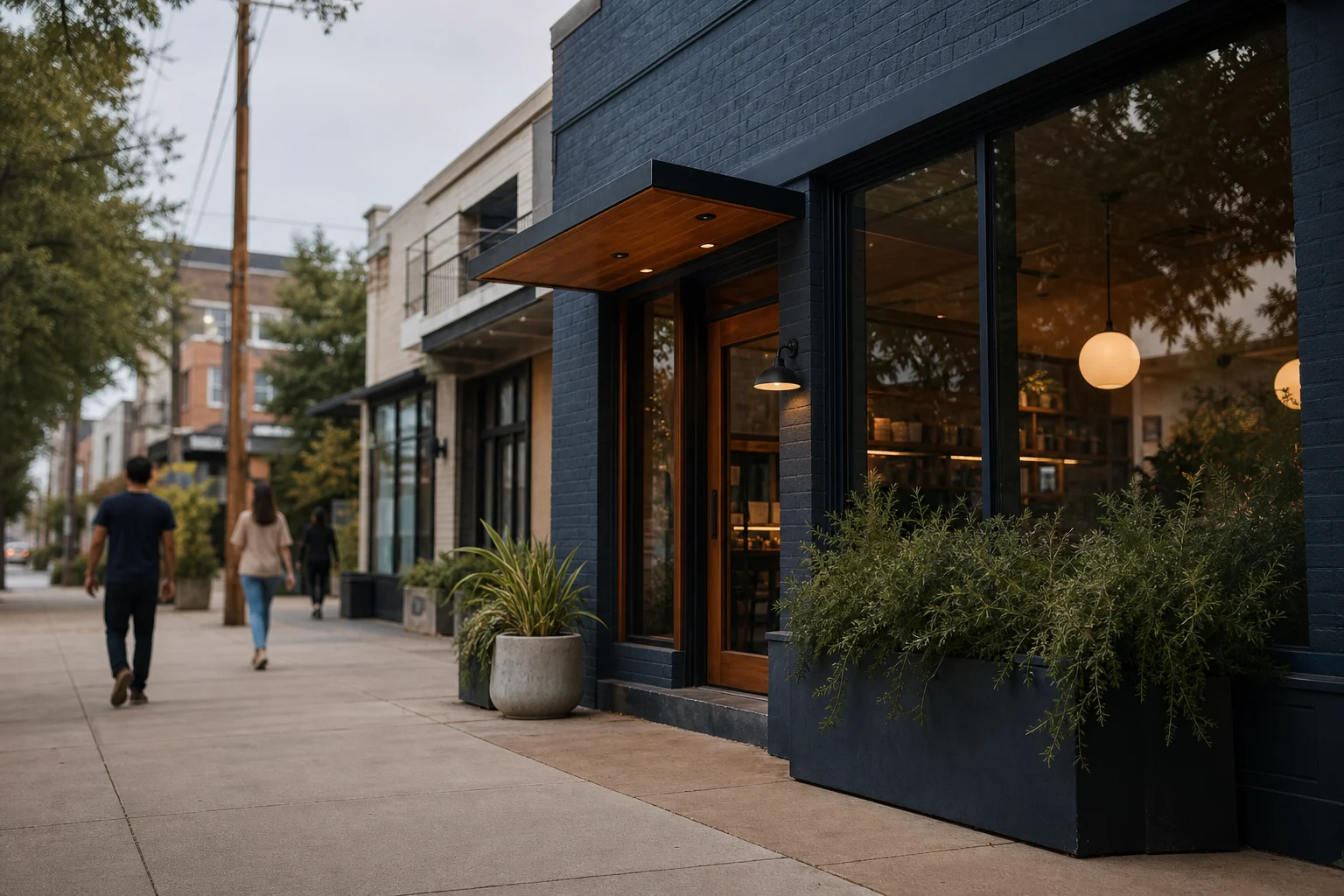
Why location fit matters for a bakery
Location determines visibility, accessibility, and customer flow. A bakery's success hinges on being where customers are and where they'll discover your products. The right neighborhood aligns with your target demographic, complements your business model, and offers sustainable rent costs. Seattle's diverse neighborhoods each present unique opportunities and challenges for bakery entrepreneurs. Understanding these factors helps narrow your search to areas where your bakery has the best chance of success.
Top 3 neighborhoods to consider
Based on Locavisor neighborhood scoring, these three Seattle neighborhoods offer the strongest potential for bakery businesses:
Madrona / Leschi (7.4/10)
Madrona / Leschi leads the pack with a strong walkable corridor, high residential density, and zero direct bakery competitors within the immediate area. Golden Wheat Bakery (4.8★, 336 reviews) sits 650m away but closes at 3PM — leaving the evening and late-afternoon bakery slot wide open. Expect roughly $30-50/sqft NNN. The market temperature is promising with medium competition density and low rent levels. Score confidence stands at 82%.
Eastlake / Cascade (7.3/10)
Eastlake / Cascade sits adjacent to South Lake Union's Amazon campus and Fred Hutch, giving it a strong daytime office-worker base. Grand Central Bakery (4.3★, 599 reviews) is the main incumbent at 523m, but complaints about 45+ minute waits and $14-17 sandwiches suggest a speed-focused bakery could carve a niche. Expect roughly $30-50/sqft NNN. This neighborhood offers a promising market temperature with medium competition density and low rent levels.
Capitol Hill (7.2/10)
Capitol Hill is Seattle's densest, most walkable neighborhood — maxed-out daytime population, strong transit via light rail, and a young, creative customer base. But it's also the most competitive bakery market in this set: The French Guys Bakery (4.5★, 451 reviews), Nuflours Bakery (4.2★, 414 reviews), and Tous Les Jours (3.8★, 68 reviews) all operate within 700m. Despite the competition, Capitol Hill's high customer density makes it a strong contender for the right bakery concept.
How the neighborhood scores are built
Locavisor neighborhood scoring evaluates potential business locations across multiple dimensions. The scoring system considers factors like market temperature, competition density, rent levels, and customer demographics. For Seattle bakery locations, the analysis focuses on foot traffic patterns, existing food service businesses, residential and office density, and transportation accessibility.
The data presented comes from a 2026-05 snapshot, capturing the most current conditions in Seattle's neighborhoods. While neighborhood conditions can change, this snapshot provides a solid foundation for decision-making. The 82% score confidence indicates a high level of reliability in the assessment, though founders should always conduct their own due diligence before committing to a location.
How to validate the shortlist before signing a lease
Data provides a starting point, but on-the-ground validation is essential. Visit each neighborhood at different times of day and week to observe actual foot traffic patterns. Note when people are commuting to work, shopping for groceries, or seeking leisure activities. Talk to local business owners about their experiences, challenges, and opportunities. They often have insights that data cannot capture.
Consider the specific characteristics of your bakery concept. A high-end patisserie might perform better in Capitol Hill's demographic, while a family-friendly bakery might thrive in Madrona / Leschi's residential setting. Eastlake / Cascade's office workers might prefer quick service options during weekdays. Align your business model with the neighborhood's rhythm and customer preferences.
Common mistakes founders make in Seattle
One common mistake is underestimating the importance of parking and accessibility. Seattle neighborhoods vary significantly in parking availability and public transportation access. A location that seems perfect might become problematic if customers struggle to reach you. Consider delivery logistics as well, especially if you plan to offer online ordering.
Another pitfall is failing to research local regulations and permitting requirements. Seattle has specific rules for food establishments that vary by neighborhood. Some areas have restrictions on outdoor seating, operating hours, or signage. Understanding these requirements early can prevent costly delays and modifications.
Many founders also overlook the importance of understanding the competitive landscape beyond direct competitors. Consider complementary businesses that could drive traffic to your location, as well as businesses that might draw customers away. The presence of coffee shops, grocery stores, and offices can significantly impact your bakery's potential customer base.

FAQ
Where is the best location for A Bakery in Seattle?
Based on Locavisor neighborhood scoring, Madrona / Leschi ranks as the best location for a bakery in Seattle with a score of 7.4/10. This neighborhood offers strong walkability, high residential density, and minimal direct competition. Eastlake / Cascade (7.3/10) and Capitol Hill (7.2/10) follow as strong alternatives, each with unique advantages depending on your specific bakery concept and target market.
What rent should I expect for a bakery space in Seattle?
The top neighborhoods for bakeries in Seattle typically have rent expectations of roughly $30-50/sqft NNN. This range accounts for variations in specific locations within neighborhoods and different property types. Madrona / Leschi and Eastlake / Cascade both fall within this range, with Capitol Hill potentially offering some variation depending on the exact location.
How important is competition density for a bakery?
Competition density is a critical factor in bakery location selection. Madrona / Leschi has medium competition density with only one significant competitor (Golden Wheat Bakery) 650m away. Eastlake / Cascade also has medium competition density with Grand Central Bakery as the main incumbent. Capitol Hill, while having the highest competition density among the top three, still offers strong potential due to its high customer density and walkability.
What makes a neighborhood promising for a bakery?
A promising neighborhood for a bakery combines several factors: adequate customer foot traffic, reasonable rent levels, manageable competition, and alignment with your target market. The market temperature indicator helps assess these combined factors. All three top neighborhoods for Seattle bakeries show promising market temperatures, suggesting they offer favorable conditions for new bakery businesses.
How can I determine if a neighborhood's customer base matches my bakery concept?
Understanding customer demographics and behavior patterns is crucial. Madrona / Leschi's residential density suggests a strong local customer base, while Eastlake / Cascade's proximity to Amazon and Fred Hutch indicates a daytime office crowd. Capitol Hill's young, creative demographic might appeal to innovative bakery concepts. Visiting neighborhoods during different times and observing current customer behavior can provide valuable insights into whether a location matches your specific bakery concept.
Last reviewed: 2026-05-08
Sources: U.S. Census Bureau ACS, LEHD LODES, Google Places, OpenStreetMap, Locavisor neighborhood scoring.
Methodology: Locavisor scores neighborhoods across demand, competition fit, rent fit, accessibility, and customer match. Scores reflect a snapshot of recent data and should be combined with on-the-ground research before lease decisions.
Disclaimer: This article provides informational content only and does not constitute legal, financial, accounting, or real-estate advice. Verify lease terms, licensing, local regulations, costs, and professional requirements with qualified local professionals before making business decisions.
Free preview shows top 3 neighborhoods. Full $9.99 report covers all 10 areas with personalized scoring + 90-day check-ins.
Informational only. Verify lease, licensing, local regulations, costs, and professional requirements with qualified local professionals.