Chicago, IL · barber shop
Best neighborhoods for a barber shop in Chicago
Chicago offers diverse opportunities for barber shop entrepreneurs, with several neighborhoods standing out based on location intelligence data. For small-business founders looking to establish a successful barber shop in the Windy City, the top recommendation from Locavisor research is Chinatown, scoring 6.4/10 with 85% confidence. This neighborhood combines strong anchor institutions, transit access, and competitive rent bands that make it an attractive option for new barber shop ventures.
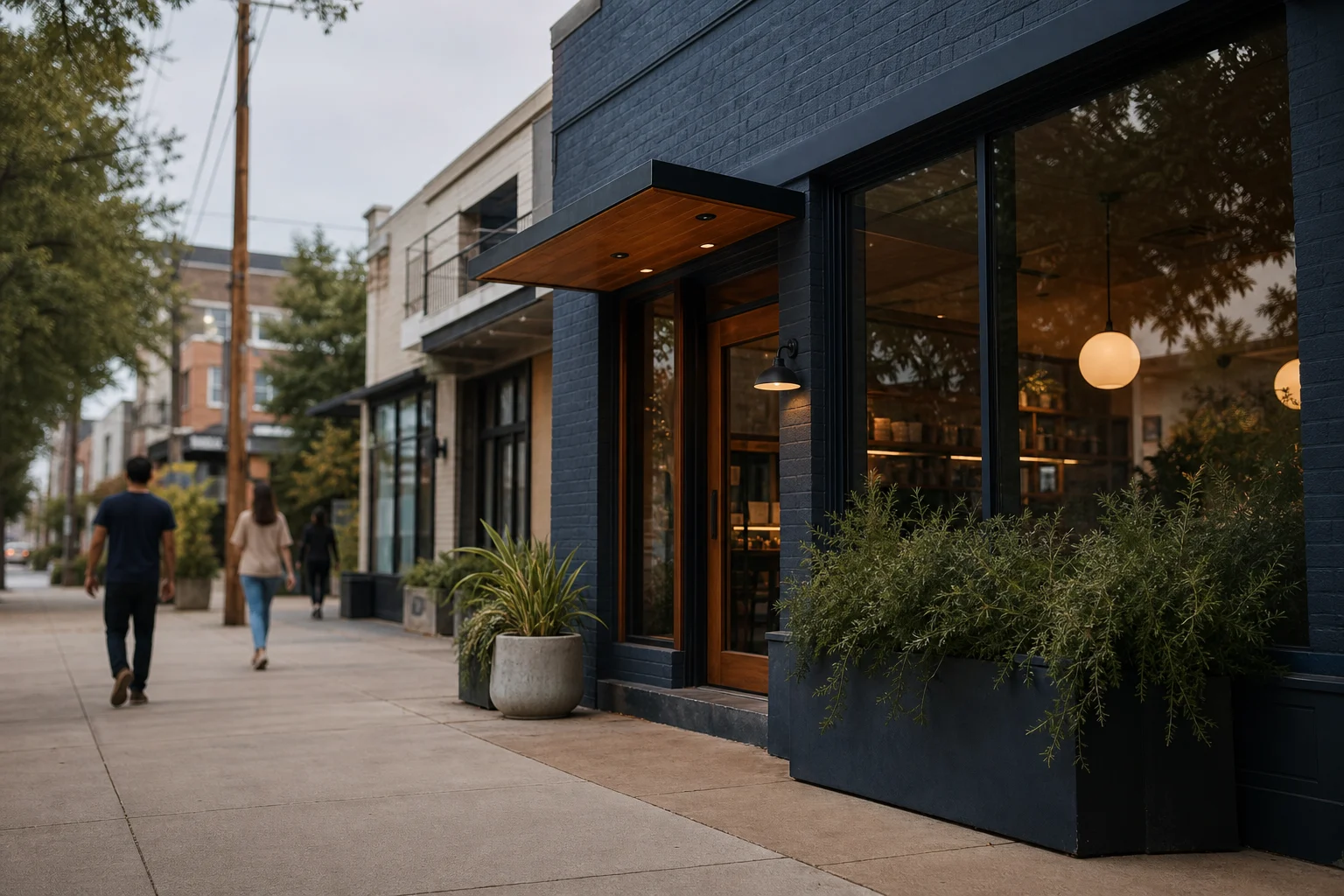
Where is the best location for a barber shop in Chicago?
The answer depends on your target customer base, competition density, and operational needs. Chicago's neighborhoods vary significantly in demographics, foot traffic, and rental costs. Based on Locavisor's location intelligence scoring, Chinatown emerges as the top choice for barber shops, followed closely by South Loop and Devon Ave/West Ridge. These areas offer the right mix of residential density, commercial activity, and accessibility that barber shops need to thrive.
When evaluating potential locations, consider these key factors:
- Proximity to transit stations
- Presence of anchor institutions (malls, offices, universities)
- Rental cost ranges
- Existing competition density
- Customer demographics
The best location balances these elements while matching your business model and target audience.
Top neighborhoods for a barber shop in Chicago
Chinatown
Chinatown scores 6.4/10 with 85% confidence, making it the top recommendation for barber shops in Chicago. The neighborhood features a rent band of $22-$80/sqft/yr NNN, providing flexibility for different business models. Key anchors include Chinatown Square Plaza, Chinatown Square Association, and the University of Illinois Chicago, creating steady foot traffic throughout the day. The Cermak-Chinatown Red Line Station ensures excellent transit accessibility, bringing in customers from across the city.
South Loop
South Loop ranks second with a score of 6.2/10 and 85% confidence. This area offers similar rent bands of $22-$80/sqft/yr NNN and benefits from major anchors like Roosevelt Collection Shops and Roosevelt University. The neighborhood has strong transit connections via Roosevelt and Union Station Transit Center, making it convenient for both local residents and commuters. Existing businesses like Sport Clips Haircuts of South Loop Chicago and PRINCE THE BARBER demonstrate the area's viability for barber services.
Devon Ave / West Ridge
Devon Ave/West Ridge scores 6.1/10 with 85% confidence. This neighborhood features the same rent band of $22-$80/sqft/yr NNN and benefits from anchors including Ravenswood Center and Loyola University Chicago. The Devon & Ridge transit station provides good accessibility, while A BARBER SHOP with 4.3 stars and 159 reviews shows established barber services in the area.
West Loop
West Loop also scores 6.1/10 with 85% confidence. The neighborhood shares the $22-$80/sqft/yr NNN rent band and boasts strong anchors like Southgate Market and Hamburger University. West Loop has become a trendy area with numerous barber shops, including Blind Barber (4.3 stars, 970 reviews), Old Town Barbershop (4.6 stars, 241 reviews), and Prohibition Barber Co (4.9 stars, 143 reviews), indicating high demand for barber services.
The Loop
The Loop rounds out the top five with a score of 6.0/10 and 85% confidence. With the same rent band of $22-$80/sqft/yr NNN, this central business district offers unparalleled visibility. Key anchors include Block 37 and The Shops at North Bridge, while transit access via Monroe and Union Station ensures excellent customer reach. Established barber shops like Relentless Barbershop - Loop (4.9 stars, 388 reviews) and Funk's Barbershop (4.5 stars, 438 reviews) prove the area's viability.
Neighborhood comparison table
| Neighborhood | Score | Confidence | Rent Band | Key Anchors | Transit Access |
|---|---|---|---|---|---|
| Chinatown | 6.4/10 | 85% | $22-$80/sqft/yr NNN | Chinatown Square Plaza, UIC | Cermak-Chinatown Red Line |
| South Loop | 6.2/10 | 85% | $22-$80/sqft/yr NNN | Roosevelt Collection, Roosevelt University | Roosevelt, Union Station |
| Devon Ave/West Ridge | 6.1/10 | 85% | $22-$80/sqft/yr NNN | Ravenswood Center, Loyola | Devon & Ridge |
| West Loop | 6.1/10 | 85% | $22-$80/sqft/yr NNN | Southgate Market, Hamburger University | Union Station, Morgan |
| The Loop | 6.0/10 | 85% | $22-$80/sqft/yr NNN | Block 37, DePaul University | Monroe, Union Station |
How to validate the shortlist before signing a lease
Before committing to a location, conduct thorough due diligence using these validation steps:
Visit during different times - Observe foot traffic patterns throughout the day, week, and month. Note when the area is busiest and when it's quiet.
Assess competition density - Count existing barber shops and other hair service providers in the immediate vicinity. Look at their pricing, services, and customer reviews to understand the competitive landscape.
Evaluate anchor institution impact - Determine how nearby offices, universities, and malls affect customer flow. Some locations may see significant daytime traffic but empty out in evenings.
Test transit accessibility - Use the transit stations yourself during peak hours. Note how easy it is to reach the location and whether the surrounding area feels safe and welcoming.
Review local business climate - Talk to other small business owners in the area. They can provide insights about the neighborhood's business friendliness, parking availability, and customer demographics.
Check for upcoming developments - Research any planned construction or business openings that could impact your location positively or negatively.
Local competition signals to check
The density and quality of existing barber shops provide valuable market signals. In West Loop, the concentration of high-rated barber shops like Blind Barber (4.3 stars, 970 reviews), Prohibition Barber Co (4.9 stars, 143 reviews), and BarberSince Studios (5 stars, 84 reviews) indicates strong demand for barber services in the area. This competition isn't necessarily a negative-rather, it suggests customers are willing to seek out quality barber experiences.
In The Loop, Relentless Barbershop - Loop (4.9 stars, 388 reviews) and Funk's Barbershop (4.5 stars, 438 reviews) demonstrate that even in a premium location with higher rents, successful barber businesses can thrive by catering to the area's professional clientele.
When evaluating competition, look beyond just the number of barber shops. Consider:
- Service specialties (traditional cuts, styling, beard grooming)
- Price points
- Customer demographics
- Operating hours
- Online presence and reviews
These factors will help you identify gaps in the market that your barber shop could fill.

FAQ
What makes Chinatown the top neighborhood for a barber shop in Chicago?
Chinatown scores highest (6.4/10) due to its strong anchor institutions, excellent transit access via the Cermak-Chinatown Red Line Station, and competitive rent bands ($22-$80/sqft/yr NNN). The neighborhood's mix of commercial and residential spaces creates consistent foot traffic throughout the day.
How do I determine if a neighborhood's rent band is affordable for my barber shop?
Locavisor research shows rent bands of $22-$80/sqft/yr NNN across top neighborhoods. Calculate your space needs and compare with these ranges. Factor in additional costs like utilities, taxes, and potential build-out expenses. Visit locations during different times to gauge foot traffic that justifies the rent.
Should I be concerned about the number of existing barber shops in a neighborhood?
Competition density matters, but it's not always negative. Areas like West Loop with multiple high-rated barber shops (Blind Barber, Prohibition Barber Co, Old Town Barbershop) indicate strong customer demand. Look for service gaps or underserved customer segments that your barber shop could target.
How important is transit access for a barber shop location?
Extremely important. Neighborhoods with strong transit connections (Chinatown's Cermak-Chinatown, South Loop's Roosevelt and Union Station) benefit from customers who may not have car access. This expands your potential customer base beyond immediate walk-ins.
What's the typical size needed for a barber shop in Chicago?
Barber shops typically require 800-1,500 square feet to accommodate multiple stations, waiting area, and storage. However, this varies based on your business model, number of barbers, and desired amenities. The rent bands ($22-$80/sqft/yr NNN) apply across different space sizes.
Last reviewed: 2026-05-30
Sources: U.S. Census Bureau ACS, LEHD LODES, Google Places, OpenStreetMap, Locavisor neighborhood scoring.
Methodology: Locavisor scores neighborhoods across demand, competition fit, rent fit, accessibility, and customer match. Scores reflect a snapshot of recent data and should be combined with on-the-ground research before lease decisions.
Disclaimer: This article provides informational content only and does not constitute legal, financial, accounting, or real-estate advice. Verify lease terms, licensing, local regulations, costs, and professional requirements with qualified local professionals before making business decisions.
Free preview shows top 3 neighborhoods. Full $9.99 report covers all 10 areas with personalized scoring + 90-day check-ins.
Informational only. Verify lease, licensing, local regulations, costs, and professional requirements with qualified local professionals.