New Orleans, LA · boba shop
Best neighborhoods for a boba shop in New Orleans
Finding the best neighborhoods for a boba shop in New Orleans requires more than just foot traffic analysis. The city's unique blend of tourism, local culture, and distinct neighborhoods creates a complex landscape for beverage entrepreneurs. Locavisor's neighborhood scoring helps identify areas where a boba shop can thrive based on demand, competition, rent fit, accessibility, and customer match.
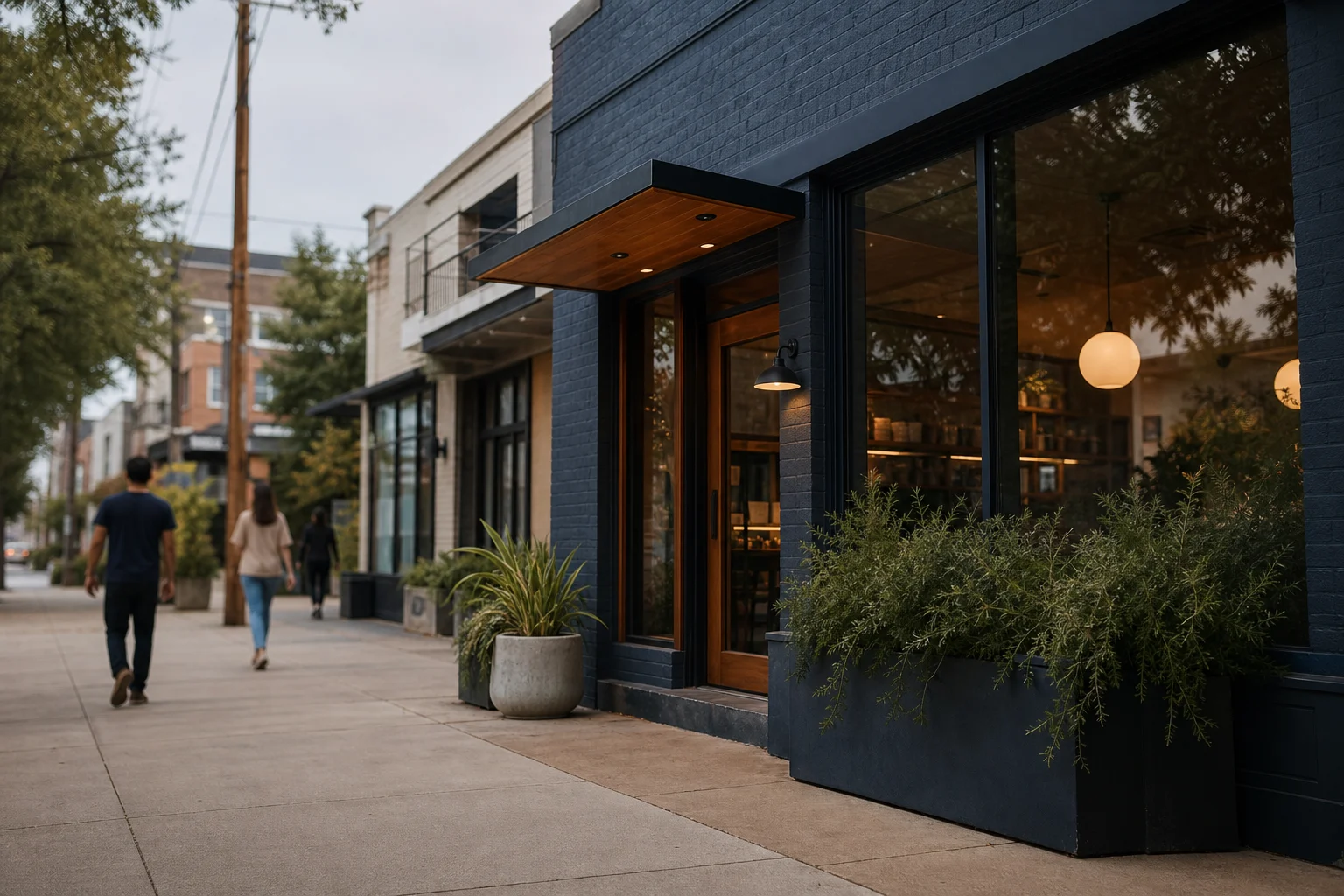
Why location fit matters for a boba shop
Location is the make-or-break factor for any boba shop. Unlike other food businesses, boba relies heavily on repeat customers and impulse purchases. The right neighborhood should balance foot traffic with affordability, target demographic alignment, and manageable competition. New Orleans presents unique challenges with its tourist-heavy downtown areas and residential neighborhoods with different spending habits. A boba shop in the wrong location might attract tourists who never return or miss the local customer base that provides steady revenue.
Top 3 neighborhoods to consider
Based on Locavisor neighborhood scoring, here are the top three areas for opening a boba shop in New Orleans:
CBD / Warehouse District (4.4/10)
CBD / Warehouse District ranks #1 on paper but the rentFit score (0.3) tells the real story — this is trophy-corridor pricing (~$90-140/sqft NNN) that will eat a medium-budget boba operator alive. Daytime worker density is maxed out with ~10,500 weekday lunch workers within 800m, and Ding Tea Downtown Nola (4.6★, 101 reviews) is the only direct competitor nearby at 584m. Market temperature is weak, competition density is medium, and rent level is high with a score confidence of 65% based on the 2026-05 snapshot.
Magazine Street (4.3/10)
Magazine Street is New Orleans' iconic indie F&B corridor with strong walkability and residential density, but rent is near-ceiling (~$90-140/sqft NNN) and the office index is moderate — not ideal for a boba shop needing after-school repeat traffic. The corridor already supports Ding Tea (532m away) and Gong Cha (3.9km), plus dense coffee competition. The family and student indexes are thin, making this a challenging location despite its vibrant atmosphere.
French Quarter (4.3/10)
The French Quarter is a global tourist destination with maxed-out walkability and daytime population density, but it's a poor fit for boba's core repeat-purchase model. Tourist traffic is high but conversion to boba is unproven — office-district foot traffic often doesn't convert (known failure mode). While the area attracts millions of visitors annually, the transient nature of this customer base makes it difficult to build the loyal following that successful boba shops depend on.
How the neighborhood scores are built
Locavisor's neighborhood scoring system evaluates multiple factors specific to boba shop success. The algorithm analyzes daytime population density, residential demographics, competition saturation, rent levels, and walkability. Each area receives an overall score from 0-10, with higher scores indicating better potential. The system also provides detailed metrics like market temperature, competition density, and rent level to help founders understand the nuances behind the scores. The 2026-05 snapshot captures current conditions, though neighborhood dynamics can change quickly in New Orleans due to tourism patterns and seasonal events.
How to validate the shortlist before signing a lease
Before committing to a location, founders should conduct their own ground truthing. Visit each neighborhood at different times of day and week to observe actual foot traffic. Note the demographics of passersby and whether they match your target customer profile. Research existing beverage businesses to understand their pricing and offerings. Consider the visibility and accessibility of potential storefronts, including parking availability and public transportation access. Talk to local business owners about their experiences with the area's commercial environment. This validation process can reveal insights that the scoring system might miss, such as upcoming construction or seasonal fluctuations in foot traffic.
Common mistakes founders make in New Orleans
Many boba shop founders underestimate the importance of location alignment with their business model. Opening in a high-rent area like the CBD or French Quarter without sufficient capital or a clear strategy to convert tourists into regulars is a common pitfall. Another mistake is failing to research existing competition thoroughly. New Orleans has several established boba chains and local competitors that may dominate certain neighborhoods. Founders also often overlook the importance of neighborhood-specific operational considerations, such as parking availability, delivery logistics, and compliance with local regulations. The city's unique event calendar can also impact business operations, with festivals and holidays affecting both customer traffic and supplier deliveries.

FAQ
Where is the best location for A Boba Shop in New Orleans?
Based on Locavisor neighborhood scoring, the CBD / Warehouse District ranks highest with a score of 4.4/10. However, founders should carefully consider the high rent levels (~$90-140/sqft NNN) and weak market temperature before committing. Magazine Street and the French Quarter both score 4.3/10 but present different challenges and opportunities. The best location ultimately depends on your specific business model, budget, and target customer profile.
How important is foot traffic for a boba shop?
Foot traffic is crucial for boba shops, which rely heavily on impulse purchases and walk-in customers. Areas with high daytime population density, like the CBD / Warehouse District with ~10,500 weekday lunch workers within 800m, offer significant potential. However, the quality of foot traffic matters as much as quantity. A location that attracts your target demographic consistently will outperform a busier area with mismatched customers.
What's the competition like in New Orleans for boba shops?
Competition density varies by neighborhood. The CBD / Warehouse District has medium competition with only one direct competitor (Ding Tea Downtown Nola) within reasonable distance. Magazine Street already supports Ding Tea and Gong Cha, plus dense coffee competition. Founders should research specific competitors in their target area, including their pricing, menu offerings, and customer reviews.
How does New Orleans' tourism impact boba shop locations?
Tourism creates both opportunities and challenges for boba shops. Areas like the French Quarter attract high tourist traffic but may not convert to repeat customers. Tourist-heavy locations often have higher rents and seasonal fluctuations in business. A successful boba shop in a tourist area typically needs a strong online presence and local marketing strategy to build a customer base beyond visitors.
What rent levels should I expect for a boba shop in New Orleans?
Rent levels vary significantly by neighborhood. The top-rated areas (CBD / Warehouse District and Magazine Street) have near-ceiling rent levels of approximately $90-140 per square foot NNN. Founders should carefully calculate how these costs impact their pricing strategy and profit margins. Lower-rent neighborhoods may offer better financial viability but could have less foot traffic or different customer demographics.
How can I verify the neighborhood scoring data?
While Locavisor neighborhood scoring provides valuable insights, founders should conduct their own validation. Visit potential neighborhoods at different times, observe customer demographics, and research existing businesses. Talk to local business owners and commercial real estate professionals who understand the nuances of each area. This ground truthing can help confirm or adjust the scoring data based on your specific business needs.
Last reviewed: 2026-05-08
Sources: U.S. Census Bureau ACS, LEHD LODES, Google Places, OpenStreetMap, Locavisor neighborhood scoring.
Methodology: Locavisor scores neighborhoods across demand, competition fit, rent fit, accessibility, and customer match. Scores reflect a snapshot of recent data and should be combined with on-the-ground research before lease decisions.
Disclaimer: This article provides informational content only and does not constitute legal, financial, accounting, or real-estate advice. Verify lease terms, licensing, local regulations, costs, and professional requirements with qualified local professionals before making business decisions.
Free preview shows top 3 neighborhoods. Full $9.99 report covers all 10 areas with personalized scoring + 90-day check-ins.
Informational only. Verify lease, licensing, local regulations, costs, and professional requirements with qualified local professionals.