Atlanta, GA · coffee shop
Best neighborhoods for a coffee shop in Atlanta
Atlanta presents a dynamic market for coffee shop entrepreneurs, with several neighborhoods offering strong potential for success. Based on Locavisor's location intelligence analysis, Atlantic Station emerges as the top recommendation for a new coffee shop, scoring 7.2/10 with a confidence level of 72%. This neighborhood combines high foot traffic, diverse anchor tenants, and competitive rent bands that make it an attractive option for coffee shop founders looking to establish a presence in Georgia's capital city.
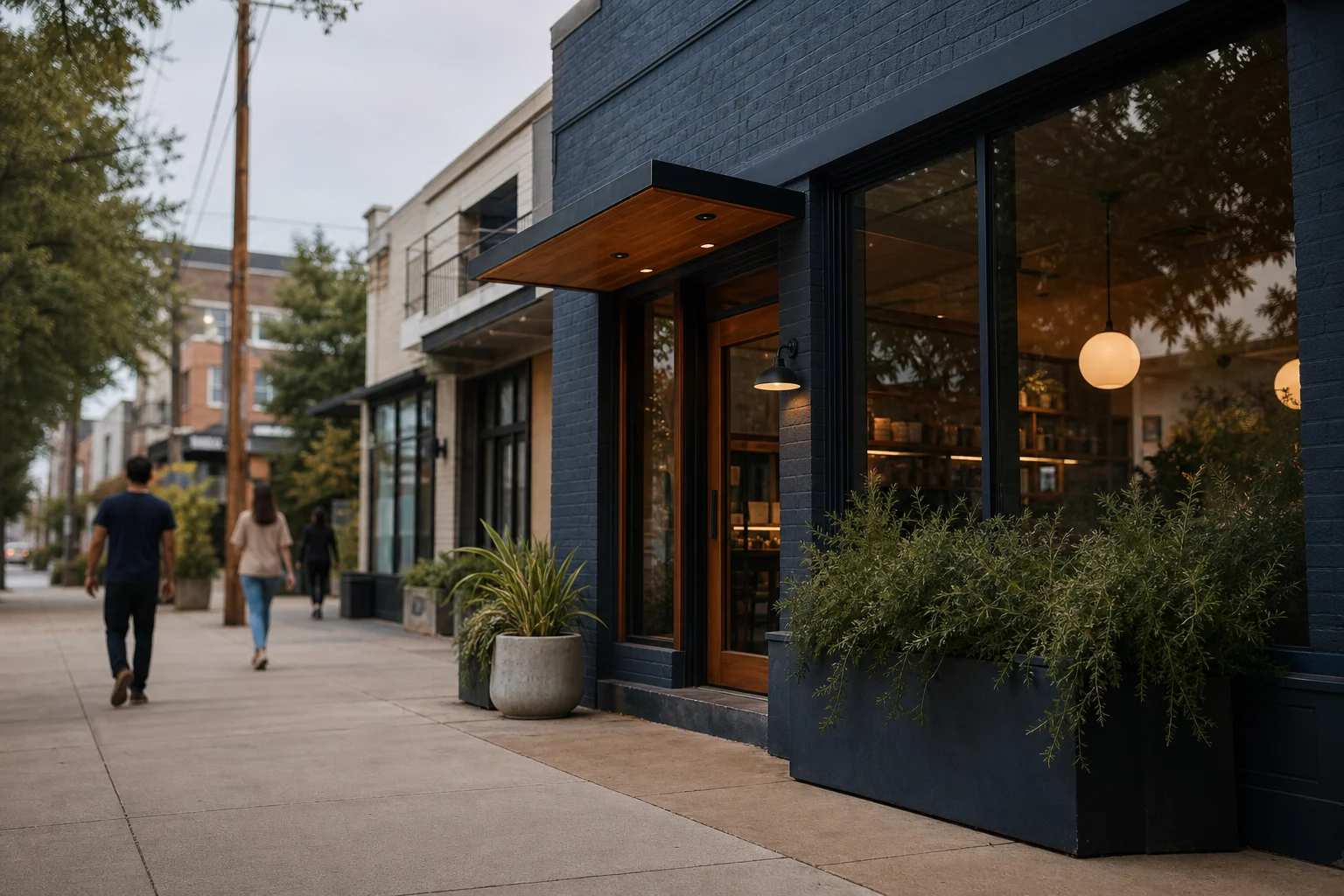
Where is the best location for a coffee shop in Atlanta?
The answer depends on your specific business model, target demographic, and budget, but Locavisor's data points to Atlantic Station as the premier neighborhood for a coffee shop in Atlanta. This mixed-use development offers a unique combination of retail, office, and educational institutions that create consistent demand for coffee throughout the day. The neighborhood's transit accessibility and dense population of potential customers make it an ideal location for capturing both local residents and visitors.
When evaluating neighborhoods for your coffee shop, consider factors beyond just foot traffic. The quality of surrounding businesses, competition density, and the demographic match between your concept and the local population all play critical roles in long-term success. Atlantic Station's diverse anchor tenants-including Atlantic Station mall, Dillard's, T3 West Midtown office space, and multiple educational institutions-create a balanced customer base that supports coffee sales from morning to evening.
Top neighborhoods for a coffee shop in Atlanta
Locavisor's analysis of Atlanta neighborhoods for coffee shop viability reveals five top contenders, each with distinct advantages for entrepreneurs. These neighborhoods were evaluated based on foot traffic, demographic alignment, competition density, and operational costs.
Atlantic Station leads the rankings with a score of 7.2/10, featuring rent bands of $24-$55/sqft/yr NNN. This neighborhood benefits from its status as a premier mixed-use destination with major anchors including Atlantic Station mall, Dillard's, T3 West Midtown office complex, and educational institutions like Savannah College of Art and Design and Miami Ad School Atlanta. The area's transit accessibility via Atlantic Station and Arts Center stations further enhances its appeal for coffee shop operators.
Downtown Atlanta follows closely with a score of 6.8/10 and identical rent bands of $24-$55/sqft/yr NNN. This central location offers proximity to major employers, Georgia State University, and transit hubs like Atlanta Bus Station and Peachtree Center. The presence of Ponce City Market and Metro Mall provides significant foot traffic, while the concentration of office buildings ensures a steady stream of weekday customers.
Smyrna/Vinings ranks third with a 6.7/10 score and rent bands of $24-$55/sqft/yr NNN. This suburban neighborhood benefits from its proximity to Cumberland Mall and Vinings Jubilee, combined with office spaces like Regus and Roam Galleria. Educational institutions and transit access via Vinings Station and Cumberland Transfer Center contribute to consistent customer flow throughout the day.
Old Fourth Ward (O4W) and Midtown tie for fourth place with identical scores of 6.5/10. Old Fourth Ward offers rent bands of $24-$55/sqft/yr NNN and benefits from Ponce City Market, SPX Alley, and proximity to Georgia State University's Andrew Young School. Midtown presents slightly higher rent at $42/sqft/yr NNN but compensates with premier locations near Atlantic Station, Colony Square, and Georgia Tech.
Each neighborhood presents unique advantages depending on your coffee shop concept. Atlantic Station excels for businesses targeting a diverse, urban demographic, while Downtown appeals to operators seeking maximum foot traffic. Smyrna/Vinings works well for community-focused concepts, and both Old Fourth Ward and Midtown offer strong options for businesses wanting to tap into Atlanta's creative and academic communities.
Neighborhood comparison table
| Neighborhood | Locavisor Score | Rent Band | Key Anchors | Transit Access |
|---|---|---|---|---|
| Atlantic Station | 7.2/10 | $24-$55/sqft/yr NNN | Atlantic Station mall, Dillard's, T3 West Midtown, SCAD | Atlantic Station, Arts Center |
| Downtown | 6.8/10 | $24-$55/sqft/yr NNN | Ponce City Market, Georgia State University | Atlanta Bus Station, Peachtree Center |
| Smyrna/Vinings | 6.7/10 | $24-$55/sqft/yr NNN | Cumberland Mall, Vinings Jubilee, Regus | Vinings Station, Cumberland Transfer Center |
| Old Fourth Ward | 6.5/10 | $24-$55/sqft/yr NNN | Ponce City Market, Georgia State University | Civic Center Marta Station, North Avenue |
| Midtown | 6.5/10 | $42/sqft/yr NNN | Atlantic Station, Colony Square, Georgia Tech | Midtown, Midtown Station |
This comparison highlights how each neighborhood balances cost considerations with customer potential. Atlantic Station's higher score reflects its superior mix of retail, office, and educational anchors, while Downtown's strong score demonstrates the power of central location and transit access. Smyrna/Vinings offers a suburban alternative with solid anchors, while Old Fourth Ward and Midtown provide creative and academic customer bases at slightly different price points.
How to validate the shortlist before signing a lease
Before committing to a location, founders should conduct thorough due diligence to confirm the neighborhood's viability for their specific coffee shop concept. Start by visiting each neighborhood at different times of day and days of the week to observe foot traffic patterns. Pay attention to who is present-office workers during weekdays, students, families on weekends, or tourists-and how they behave.
Examine the surrounding businesses to understand the local ecosystem. In Atlantic Station, you'll find established players like The Lazy Llama Coffeehouse and Starbucks, while Downtown features Café Lucia and Corner Bakery Cafe. These existing businesses indicate market validation but also represent competition you'll need to differentiate from. Visit during peak hours to assess how crowded the area becomes and whether there are opportunities for your concept.
Research local regulations and permitting requirements. While specific costs aren't detailed in our analysis, founders should contact the City of Atlanta's Department of Revenue and Department of Parks and Recreation to understand licensing, health department requirements, and any neighborhood-specific regulations. Zoning laws can significantly impact your ability to operate certain types of coffee shops, especially those with outdoor seating or alcohol service.
Consider the long-term viability of each location. Atlantic Station's mixed-use development suggests sustainable growth, while Downtown's central location may face parking challenges. Smyrna/Vinings offers suburban stability, and both Old Fourth Ward and Midtown benefit from ongoing development and demographic trends favoring coffee culture. Evaluate how each neighborhood aligns with your business's growth projections and expansion plans.
Local competition signals to check
The presence and performance of existing coffee shops provide valuable insights into neighborhood viability. In Atlantic Station, The Lazy Llama Coffeehouse (4.1 stars from 231 reviews) and Rising Roll Gourmet Cafe' (3.9 stars from 28 reviews) demonstrate that coffee concepts can thrive in this location. The area also features a Starbucks and Intelligentsia Coffee Atlanta Training Lab, indicating brand recognition and potential for specialty coffee education.
Downtown shows even stronger competition density with multiple established players. Café Lucia (4.3 stars from 676 reviews), Corner Bakery Cafe (4.2 stars from 1656 reviews), and Spiller Park Coffee "SP4" (4.7 stars from 95 reviews) all maintain strong ratings, suggesting customer demand for quality coffee in this central location. The variety of concepts-from traditional cafes to specialized offerings-indicates market segmentation opportunities for new entrants.
Review themes from these establishments reveal important customer preferences. Many customers appreciate fair pricing and quality, with some noting that premium pricing is acceptable for exceptional products. However, several reviews mention limited seating and slow service during peak hours, highlighting operational challenges that new coffee shops should address in their planning.
The competition landscape also shows opportunities for differentiation. Atlantic Station lacks a strong independent coffee presence beyond The Lazy Llama, while Downtown features more established players. This suggests that Atlantic Station might offer better entry opportunities for new, distinctive concepts, while Downtown requires more innovative approaches to stand out.

FAQ
Q: What makes Atlantic Station the top neighborhood for a coffee shop in Atlanta? A: Atlantic Station scores highest (7.2/10) due to its diverse anchor tenants including retail (Atlantic Station mall, Dillard's), office spaces (T3 West Midtown), and educational institutions (SCAD, Miami Ad School). The neighborhood's transit accessibility and mixed-use development create consistent foot traffic throughout the day, making it ideal for capturing different customer segments.
Q: How do rent costs compare across Atlanta's top coffee shop neighborhoods? A: Most top neighborhoods (Atlantic Station, Downtown, Smyrna/Vinings, Old Fourth Ward) offer similar rent bands of $24-$55/sqft/yr NNN. Midtown presents a slightly higher rate at $42/sqft/yr NNN, reflecting its premium location near Georgia Tech and Colony Square. These costs represent triple net leases, meaning tenants pay additional expenses beyond base rent.
Q: What should I look for when evaluating competition in potential neighborhoods? A: Examine both the density and quality of existing coffee shops. In Downtown, established players like Café Lucia (4.3 stars) and Spiller Park Coffee (4.7 stars) indicate strong customer demand. Look for gaps in the market-such as limited independent options in Atlantic Station-and consider how your concept can differentiate. Also, note customer feedback themes like seating limitations or service speed issues that your business can address.
Last reviewed: 2026-05-30
Sources: U.S. Census Bureau ACS, LEHD LODES, Google Places, OpenStreetMap, Locavisor neighborhood scoring.
Methodology: Locavisor scores neighborhoods across demand, competition fit, rent fit, accessibility, and customer match. Scores reflect a snapshot of recent data and should be combined with on-the-ground research before lease decisions.
Disclaimer: This article provides informational content only and does not constitute legal, financial, accounting, or real-estate advice. Verify lease terms, licensing, local regulations, costs, and professional requirements with qualified local professionals before making business decisions.
Free preview shows top 3 neighborhoods. Full $9.99 report covers all 10 areas with personalized scoring + 90-day check-ins.
Informational only. Verify lease, licensing, local regulations, costs, and professional requirements with qualified local professionals.