Denver, CO · coffee shop
Best neighborhoods for a coffee shop in Denver
Finding the best neighborhoods for a coffee shop in Denver requires balancing foot traffic, competition, and costs. Denver's coffee scene has evolved beyond basic caffeine delivery to become a community hub where locals work, socialize, and experience local culture. The right location can make or break your coffee shop business in this competitive market.
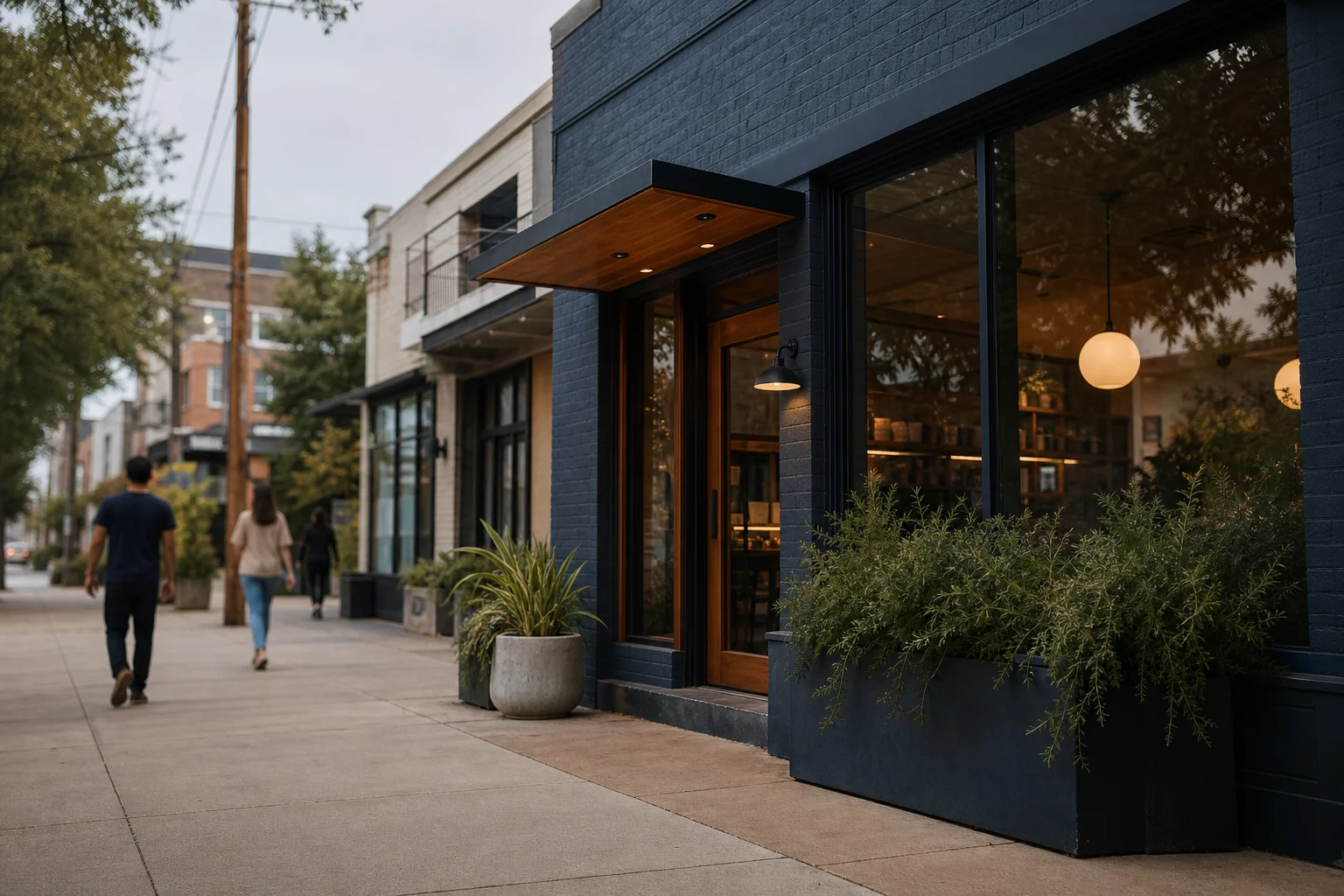
Why location fit matters for a coffee shop
Location determines your coffee shop's success more than almost any other factor. Denver's diverse neighborhoods each offer distinct customer bases and operational challenges. A coffee shop in LoDo serves different needs than one in Five Points, despite both being high-potential areas. Your business model must align with neighborhood demographics and existing competition. Foot traffic patterns vary dramatically between Denver's commercial corridors and residential enclaves. Understanding these differences prevents costly mismatches between your concept and location.
Top 3 neighborhoods to consider
Based on Locavisor neighborhood scoring, three Denver areas stand out for coffee shop potential. Each offers unique advantages for different business models. The rankings consider demand, competition density, rent levels, accessibility, and customer match.
LoDo (Lower Downtown) (8.5/10)
LoDo is Denver's highest-traffic downtown corridor — Union Station, Larimer Square, Coors Field, and a dense office core. Walkability and transit are maxed out, with strong morning and lunch dayparts. Expect roughly $30-50/sqft NNN. The catch: Little Owl Coffee (4.7★, 1,147 reviews) and two Huckleberry Roasters locations already anchor the specialty-coffee scene here.
RiNo (River North Art District) (7.8/10)
RiNo is Denver's creative-class hub — murals, galleries, breweries, and The Denver Central Market anchor a walkable industrial-chic corridor. Office density is strong with coworking spaces (INDUSTRY Denver, Fabrica RiNo) driving daytime traffic. Expect roughly $30-50/sqft NNN.
Five Points (7.5/10)
Five Points is Denver's historic jazz corridor along Welton St — walkable, light-rail connected, with strong daytime population from nearby offices and coworking spaces. Expect roughly $20-35/sqft NNN — the most affordable rent tier of the top-ranked areas.
How the neighborhood scores are built
Locavisor neighborhood scoring evaluates multiple factors specific to coffee shop potential. Demand metrics include daytime population density, foot traffic patterns, and existing coffee consumption rates. Competition density measures both direct competitors (other coffee shops) and indirect competitors (cafes with coffee offerings). Rent levels reflect current commercial real estate costs per square foot, including triple net (NNN) expenses. Accessibility scores evaluate walkability, parking availability, and public transit connections. Customer match analyzes demographic alignment between neighborhood residents and your target coffee shop clientele.
The scoring system weights these factors based on industry benchmarks and successful coffee shop characteristics. Higher-scoring neighborhoods typically offer strong demand with manageable competition and reasonable operating costs. The confidence level indicates how reliable the current score is based on data completeness and neighborhood stability.
How to validate the shortlist before signing a lease
Before committing to a location, conduct on-the-ground research during different times and days. Visit potential neighborhoods during morning rush, lunch hours, and afternoons to observe actual foot traffic patterns. Talk to local business owners about neighborhood dynamics and seasonal variations. Consider setting up a pop-up coffee stall in your target area to test customer response without long-term commitment.
Review demographic data to ensure your coffee shop concept matches neighborhood preferences. A high-end specialty coffee shop might struggle in a budget-conscious area, while a basic coffee model could miss opportunities in a sophisticated market. Analyze competitor strengths and weaknesses to identify service gaps you could fill. Consider future development plans that might affect traffic patterns or neighborhood character.
Common mistakes founders make in Denver
Many coffee shop founders underestimate the importance of neighborhood fit. Opening a clone of a successful concept from another neighborhood rarely works. Denver's diverse areas require tailored approaches that respect local culture and customer expectations. Founders often overestimate their ability to differentiate from established competitors. The coffee market in Denver is sophisticated, with customers who understand quality and value.
Another common error is misjudging operational costs. Commercial rent in prime locations like LoDo can consume significant portions of your budget. Many founders fail to account for build-out costs, equipment purchases, and licensing expenses. Seasonal fluctuations in Denver tourism and local activity can dramatically impact revenue. Plan for these variations rather than assuming consistent year-round performance.

FAQ
Where is the best location for a Coffee Shop in Denver?
Based on Locavisor neighborhood scoring, LoDo (Lower Downtown) ranks as the best neighborhood for a coffee shop in Denver with an overall score of 8.5/10. This area offers high foot traffic, excellent transit connections, and strong daytime population from offices and attractions. However, competition density is medium with established players like Little Owl Coffee and Huckleberry Roasters already present. Rent levels in LoDo range from $30-50/sqft NNN, making it a significant investment but potentially worthwhile for the right concept.
What makes RiNo a good neighborhood for a coffee shop?
RiNo (River North Art District) scores 7.8/10 for coffee shop potential. This creative-class hub features murals, galleries, breweries, and The Denver Central Market in a walkable industrial-chic corridor. Strong office density from coworking spaces like INDUSTRY Denver and Fabrica RiNo drives daytime traffic. Rent levels are comparable to LoDo at $30-50/sqft NNN. The neighborhood's artistic culture supports unique coffee concepts that differentiate from mainstream offerings.
How does Five Points compare to other Denver neighborhoods for coffee shops?
Five Points ranks third with a 7.5/10 score, making it an attractive option for budget-conscious coffee shop founders. This historic jazz corridor along Welton St offers walkability, light-rail connections, and strong daytime population from nearby offices and coworking spaces. The key advantage is rent pricing at $20-35/sqft NNN, the most affordable among the top-ranked areas. Five Points provides an opportunity to enter Denver's coffee market with lower overhead while still benefiting from a vibrant neighborhood environment.
What should I consider when choosing a coffee shop location in Denver?
When selecting a location, consider neighborhood demographics, competition density, foot traffic patterns, and operational costs. Different neighborhoods attract different customer bases with varying preferences and spending habits. Evaluate how well your coffee shop concept aligns with neighborhood character and existing businesses. Consider accessibility factors like parking availability and public transit connections. Also analyze seasonal fluctuations that might affect revenue and plan accordingly.
How important is competition density when choosing a coffee shop location?
Competition density is a critical factor in location selection. While some competition indicates market validation, too much can make it difficult to gain market share. Medium competition density, as found in LoDo, suggests a healthy market with room for additional players. Consider the quality and positioning of existing competitors to identify opportunities for differentiation. A neighborhood with no coffee shops might indicate lack of demand rather than opportunity. Research why certain areas have more or fewer coffee establishments.
What are the typical rent costs for coffee shops in Denver?
Rent costs vary significantly across Denver's neighborhoods. In top-ranked areas like LoDo and RiNo, expect commercial rents of $30-50/sqft NNN (triple net). Five Points offers more affordable options at $20-35/sqft NNN. These figures represent base rent plus additional expenses like property taxes, insurance, and maintenance. Remember that rent is just one component of your occupancy costs. Build-out expenses, equipment purchases, and licensing requirements can significantly impact your initial investment.
Last reviewed: 2026-05-07
Sources: U.S. Census Bureau ACS, LEHD LODES, Google Places, OpenStreetMap, Locavisor neighborhood scoring.
Methodology: Locavisor scores neighborhoods across demand, competition fit, rent fit, accessibility, and customer match. Scores reflect a snapshot of recent data and should be combined with on-the-ground research before lease decisions.
Disclaimer: This article provides informational content only and does not constitute legal, financial, accounting, or real-estate advice. Verify lease terms, licensing, local regulations, costs, and professional requirements with qualified local professionals before making business decisions.
Free preview shows top 3 neighborhoods. Full $9.99 report covers all 10 areas with personalized scoring + 90-day check-ins.
Informational only. Verify lease, licensing, local regulations, costs, and professional requirements with qualified local professionals.