Houston, TX · coffee shop
Best neighborhoods for a coffee shop in Houston
Finding the best location for a coffee shop in Houston requires careful analysis of neighborhood characteristics, customer demographics, and market conditions. The right location can make the difference between a thriving business and one that struggles to gain traction. This article ranks the top neighborhoods for opening a coffee shop in Houston based on Locavisor's neighborhood scoring methodology.
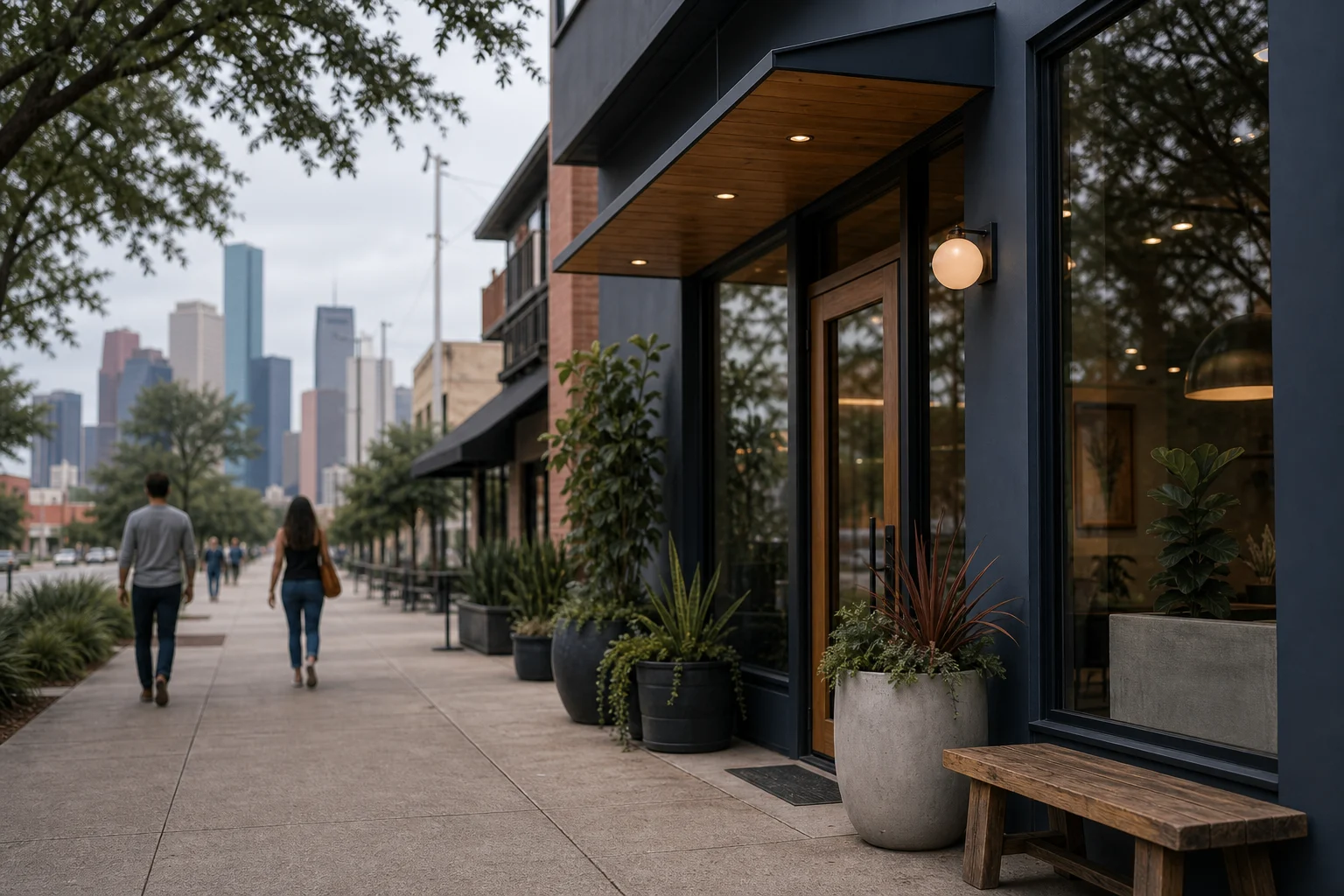
Why location fit matters for a coffee shop
Location is the foundation of any successful coffee shop business. A great location can provide consistent foot traffic, target the right customer base, and support your business model. In Houston's competitive coffee market, understanding neighborhood dynamics is crucial. The right location aligns with your concept, pricing strategy, and operational capabilities. A mismatch between your coffee shop concept and neighborhood characteristics can lead to poor performance regardless of product quality or service excellence.
Top 3 neighborhoods to consider
Based on Locavisor neighborhood scoring, here are the top three neighborhoods for opening a coffee shop in Houston:
Energy Corridor (7.0/10)
Energy Corridor ranks as the top location for a coffee shop in Houston with an overall score of 7.0/10. This area is built around the I-10 energy corridor office cluster with major employers like Conoco, Shell, and BP campuses driving strong weekday lunch demand. Rent is moderate for Houston at roughly $20-35/sqft NNN. Transit access is near-zero; you'll need ample parking for a car-dependent suburban office cluster. Evening and late-night potential is thin — this is a breakfast-and-lunch play. The market temperature is promising with medium competition density and low rent levels. Score confidence is 78% based on the 2026-05 snapshot.
Greenway Plaza / Upper Kirby (6.9/10)
Greenway Plaza / Upper Kirby follows closely with a score of 6.9/10. This neighborhood centers on the Kirby Drive / Westheimer intersection with strong daytime population density and good walkability. Rent runs roughly $30-50/sqft NNN — a neighborhood corridor price point. Multiple coffee incumbents including Luce Avenue Coffee Roasters (4.4★, 931 reviews) and Greenway Coffee & Tea (4.6★, 98 reviews) plus three Starbucks within 800m. Differentiation is essential in this competitive market. The area offers a mix of office workers and local residents, creating potential for both morning and afternoon business.
Galleria / Uptown (6.8/10)
Galleria / Uptown rounds out the top three with a score of 6.8/10. This corridor is Houston's premium retail zone with maxed-out daytime population and office density. Rent runs roughly $45-70/sqft NNN — a strong urban corridor price point. Heavy coffee saturation including a 2,946-review Starbucks, Bluestone Lane, PJ's Coffee, and Noix Bakery & Coffee. High ceiling but high cost of entry. This neighborhood attracts affluent customers and tourists, potentially supporting premium pricing. The challenge is standing out in an already crowded market with established players.
How the neighborhood scores are built
Locavisor's neighborhood scoring methodology evaluates multiple factors specific to coffee shop viability. Each neighborhood receives a score from 1-10 based on demand, competition density, rent level, accessibility, and customer match. The scoring system weights factors according to their importance for coffee shop success. For example, areas with strong daytime populations but limited evening traffic receive different considerations than mixed-use neighborhoods with 24/7 potential. The scores incorporate both quantitative metrics like rent per square foot and qualitative assessments like walkability and parking availability. The confidence percentage indicates how reliable the score is based on data completeness and neighborhood stability.
How to validate the shortlist before signing a lease
Before committing to a location, conduct thorough due diligence. Visit neighborhoods at different times of day and week to observe actual foot traffic patterns. Count potential customers during morning rush, lunch hours, and after work. Research competitor offerings, pricing, and customer reviews to identify market gaps. Consider operational factors like parking availability, visibility from main streets, and proximity to complementary businesses. Talk to local business owners about neighborhood dynamics, seasonal variations, and any planned developments. Verify rent figures and lease terms with commercial real estate professionals. This validation process helps confirm whether the neighborhood's potential aligns with your business model and resources.
Common mistakes founders make in Houston
Many coffee shop founders underestimate the importance of location-specific market research. They often rely on general impressions rather than neighborhood-specific data. Some fail to properly assess competition density, entering oversaturated markets without a clear differentiation strategy. Others misjudge customer demographics, assuming neighborhood demographics match their target audience. Parking availability is frequently overlooked in Houston's car-dependent culture. Rent calculations sometimes fail to include additional costs like property taxes, insurance, and common area maintenance. Timing is another critical factor—opening during economic downturns or seasonal lulls can impact initial traction. Avoiding these mistakes requires thorough research and realistic assessment of your business model against neighborhood characteristics.

FAQ
Where is the best location for a Coffee Shop in Houston?
Based on Locavisor neighborhood scoring, Energy Corridor ranks as the best location for a coffee shop in Houston with an overall score of 7.0/10. This area offers strong weekday lunch demand from office workers at major energy companies like Conoco, Shell, and BP. Rent is moderate at $20-35/sqft NNN, though you'll need to provide ample parking as transit access is limited. The market temperature is promising with medium competition density and low rent levels. Greenway Plaza / Upper Kirby (6.9/10) and Galleria / Uptown (6.8/10) follow as strong alternatives with different characteristics and opportunities.
What makes Energy Corridor suitable for a coffee shop?
Energy Corridor's strength lies in its concentrated office population creating consistent weekday demand. The area's car-dependent nature means coffee shops with good parking can capture customers who might otherwise visit nearby cafes. The breakfast-and-lunch focus aligns well with the 9-to-5 work patterns of the energy companies in the area. Moderate rent levels provide a lower barrier to entry compared to Houston's premium retail districts.
How does competition in Greenway Plaza / Upper Kirby compare to other neighborhoods?
Greenway Plaza / Upper Kirby features moderate competition with established players like Luce Avenue Coffee Roasters and Greenway Coffee & Tea, plus three Starbucks within 800m. This density requires new entrants to differentiate their offerings clearly. The area's walkability and daytime population provide opportunity, but standing out among existing options is essential for success.
Is the high rent in Galleria / Uptown justified for a coffee shop?
Galleria / Uptown's premium rent ($45-70/sqft NNN) reflects its status as Houston's premier retail corridor. The area's maxed-out daytime population and affluent customer base can potentially support premium pricing. However, the heavy coffee saturation including major chains means new entrants must offer exceptional value or unique positioning to justify the higher operating costs. The high ceiling comes with a high cost of entry.
How important is parking for a coffee shop in Houston?
Parking is critically important for most Houston coffee shops due to the city's car-dependent culture. Areas like Energy Corridor with minimal transit access require ample parking to attract customers. Even in more walkable neighborhoods like Greenway Plaza / Upper Kirby, convenient parking can significantly expand your potential customer base beyond those who walk or use public transportation.
Last reviewed: 2026-05-05
Sources: U.S. Census Bureau ACS, LEHD LODES, Google Places, OpenStreetMap, Locavisor neighborhood scoring.
Methodology: Locavisor scores neighborhoods across demand, competition fit, rent fit, accessibility, and customer match. Scores reflect a snapshot of recent data and should be combined with on-the-ground research before lease decisions.
Disclaimer: This article provides informational content only and does not constitute legal, financial, accounting, or real-estate advice. Verify lease terms, licensing, local regulations, costs, and professional requirements with qualified local professionals before making business decisions.
Free preview shows top 3 neighborhoods. Full $9.99 report covers all 10 areas with personalized scoring + 90-day check-ins.
Informational only. Verify lease, licensing, local regulations, costs, and professional requirements with qualified local professionals.