Los Angeles, CA · coffee shop
Best neighborhoods for a coffee shop in Los Angeles
Finding the best neighborhoods for a coffee shop in Los Angeles requires careful analysis of location factors that impact business success. Los Angeles presents unique opportunities and challenges for coffee shop entrepreneurs, with its sprawling geography and diverse neighborhood characteristics. The right location can make the difference between a thriving business and one that struggles to find customers.
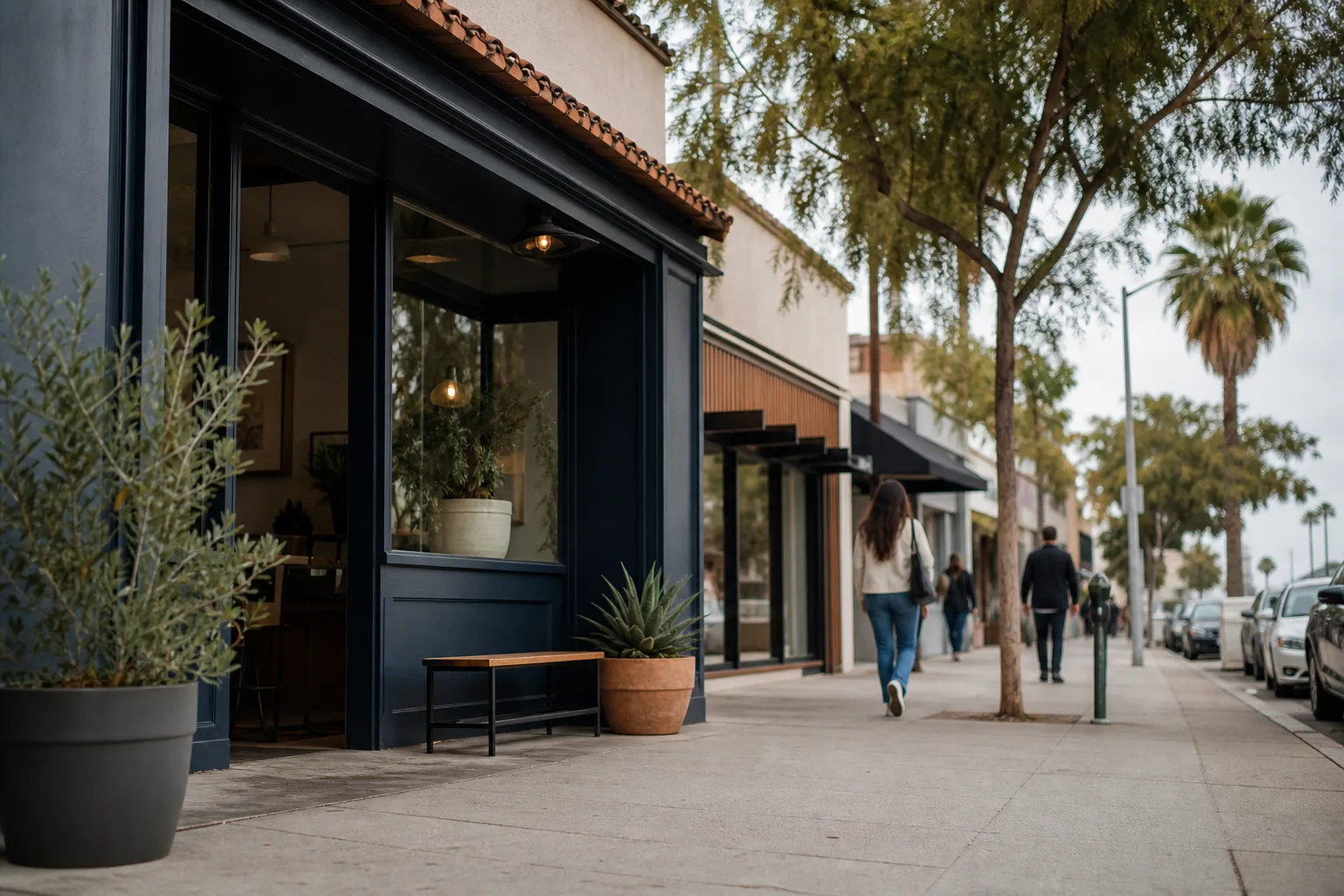
Why location fit matters for a coffee shop
Location is arguably the most critical factor for a coffee shop's success. A great spot can provide consistent foot traffic, visibility, and accessibility that drive sales. In Los Angeles, where traffic patterns and neighborhood demographics vary dramatically, selecting the right neighborhood requires more than just intuition. Coffee shops thrive in areas with high daytime population density, good walkability, and complementary businesses. The best locations balance competition with sufficient customer demand, while keeping operational costs in check. For coffee shop founders, understanding these location dynamics is essential for making an informed decision that will impact the business for years to come.
Top 3 neighborhoods to consider
Based on Locavisor neighborhood scoring, these three Los Angeles neighborhoods stand out as the best options for opening a coffee shop:
Downtown LA (DTLA) (8.1/10)
DTLA is the highest-ranked area for a reason: maxed-out office density, city-leading walkability, and strong transit connections via 7th Street/Metro Center and Union Station. Expect roughly $30-50/sqft NNN. The neighborhood's Market temperature is promising, with medium competition density and low rent levels. Score confidence stands at 78%, based on the 2026-05 snapshot data.
Burbank (7.5/10)
Burbank's media-studio workforce (Disney, Warner Bros.) drives a strong daytime office population, and the Downtown Burbank station area is walkable with good transit. Expect roughly $30-50/sqft NNN. The neighborhood offers a promising market temperature with medium competition density and low rent levels. Score confidence stands at 78%, based on the 2026-05 snapshot data.
Culver City (7.4/10)
Culver City's downtown core near the Expo Line station has strong walkability, a dense office cluster (Sony, Apple TV+, Amazon Studios), and an affluent residential base. Expect roughly $45-70/sqft NNN — the priciest of the five areas. The neighborhood offers a promising market temperature with medium competition density and moderate rent levels. Score confidence stands at 78%, based on the 2026-05 snapshot data.
How the neighborhood scores are built
Locavisor neighborhood scoring evaluates potential coffee shop locations across multiple dimensions. The scoring system considers demand factors like population density and daytime office workers. Competition density measures how many similar businesses already operate in the area. Rent levels reflect the cost of commercial space, which directly impacts profitability. Accessibility evaluates walkability, parking availability, and public transit connections. Customer match assesses whether the neighborhood demographics align with typical coffee shop patrons. Each neighborhood receives an overall score out of 10, with higher scores indicating better potential for coffee shop success.
How to validate the shortlist before signing a lease
Before committing to a location, founders should conduct additional research. Visit each neighborhood at different times of day to observe foot traffic patterns. Note when potential customers commute to and from work. Check for complementary businesses that could drive additional traffic. Research local regulations and permitting requirements that might affect operations. Speak with other local business owners to understand neighborhood dynamics and challenges. Consider the visibility of potential locations from main streets and transit stops. Finally, verify that the space can accommodate your specific equipment and layout needs. This due diligence process helps ensure the neighborhood's potential translates to actual business success.
Common mistakes founders make in Los Angeles
Many coffee shop founders make avoidable mistakes when selecting locations in Los Angeles. One common error is underestimating the importance of parking availability. Los Angeles is a car-centric city, and limited parking can deter customers. Another mistake is failing to account for neighborhood character compatibility. A coffee shop that clashes with the local aesthetic may struggle to gain community acceptance. Some founders also overlook the impact of seasonal traffic patterns, which can vary dramatically between summer and winter months. Additionally, many new coffee shop owners misjudge the competitive landscape, assuming that high competition indicates oversaturation rather than proven demand. Finally, some founders focus too heavily on rent costs without considering the revenue potential of different neighborhoods.

FAQ
Where is the best location for a Coffee Shop in Los Angeles?
Based on Locavisor neighborhood scoring, Downtown LA (DTLA) ranks as the best location for a coffee shop in Los Angeles with an overall score of 8.1/10. DTLA offers maxed-out office density, city-leading walkability, and strong transit connections via 7th Street/Metro Center and Union Station. Rent levels in DTLA are relatively low, ranging from $30-50/sqft NNN, with a promising market temperature and medium competition density.
How important is walkability for a coffee shop location?
Walkability is crucial for coffee shop success as it directly impacts foot traffic. Areas with high walkability scores tend to have more spontaneous customers who stop by for coffee while going about their daily activities. Los Angeles neighborhoods with good walkability typically feature mixed-use development, pedestrian-friendly streets, and amenities within walking distance.
What rent should I expect for a coffee shop in Los Angeles?
Rent varies significantly by neighborhood. Downtown LA and Burbank offer more affordable options at roughly $30-50/sqft NNN, while Culver commands higher rates at $45-70/sqft NNN. These figures represent triple net lease costs, which typically include property taxes, insurance, and maintenance in addition to base rent.
How does competition affect coffee shop success?
Medium competition density, as found in the top-ranked neighborhoods, often indicates healthy demand rather than market saturation. Some competition can actually help validate the market by demonstrating customer interest in coffee shops. The key is finding locations where competition exists but there's still room for differentiation.
What should I look for in terms of customer demographics?
Coffee shops typically perform well in areas with a mix of office workers, residents, and visitors. Neighborhoods with affluent residential bases, like Culver City, may support higher price points. Areas with strong daytime populations, like DTLA and Burbank, benefit from consistent weekday traffic. Understanding your target customer profile helps select neighborhoods that match your business concept.
How important is public transit for a coffee shop location?
Public transit connections can significantly expand your customer base beyond those who drive. Neighborhoods with transit stations, like those near 7th Street/Metro Center, Union Station, Downtown Burbank station, and the Expo Line station, benefit from commuters who stop for coffee before or after their journeys.
What's the best time of day to evaluate potential locations?
Visit potential neighborhoods at multiple times to capture different customer patterns. Morning hours (7-9 AM) reveal commuter traffic. Midday (11 AM-2 PM) shows office workers on breaks. Afternoon (3-5 PM) captures the after-work crowd. Weekend visits help understand weekend customer behavior, which may differ significantly from weekday patterns.
How far should a coffee shop be from transit stops?
The ideal distance depends on the neighborhood's walkability. In highly walkable areas like DTLA, being within a 5-minute walk (roughly 400-500 meters) of major transit stops can capture significant commuter traffic. In less walkable areas, proximity becomes even more critical as customers are less likely to travel far on foot.
What other businesses complement a coffee shop?
Coffee shops benefit from being near complementary businesses like offices, retail stores, gyms, and residential buildings. Office workers drive weekday morning and afternoon traffic. Retail stores create opportunities for cross-promotion. Gyms attract customers seeking post-workout refreshments. Residential buildings provide consistent neighborhood customer base.
How does neighborhood character affect coffee shop success?
Coffee shops that align with neighborhood character tend to perform better. A modern minimalist concept might thrive in DTLA's urban environment, while a cozy artisanal approach might resonate better with Culver City's affluent residential base. Understanding and respecting neighborhood aesthetics helps build community acceptance and loyalty.
Last reviewed: 2026-05-05
Sources: U.S. Census Bureau ACS, LEHD LODES, Google Places, OpenStreetMap, Locavisor neighborhood scoring.
Methodology: Locavisor scores neighborhoods across demand, competition fit, rent fit, accessibility, and customer match. Scores reflect a snapshot of recent data and should be combined with on-the-ground research before lease decisions.
Disclaimer: This article provides informational content only and does not constitute legal, financial, accounting, or real-estate advice. Verify lease terms, licensing, local regulations, costs, and professional requirements with qualified local professionals before making business decisions.
Free preview shows top 3 neighborhoods. Full $9.99 report covers all 10 areas with personalized scoring + 90-day check-ins.
Informational only. Verify lease, licensing, local regulations, costs, and professional requirements with qualified local professionals.