Portland, OR · coffee shop
Best neighborhoods for a coffee shop in Portland
Finding the right location is critical for any coffee shop business. In Portland's competitive market, choosing the best neighborhood can make the difference between thriving and struggling. Locavisor provides location intelligence to help small business founders make informed decisions about where to open a coffee shop in Portland. This article ranks the best areas for a coffee shop in Portland based on demand, competition, rent fit, accessibility, and customer match.
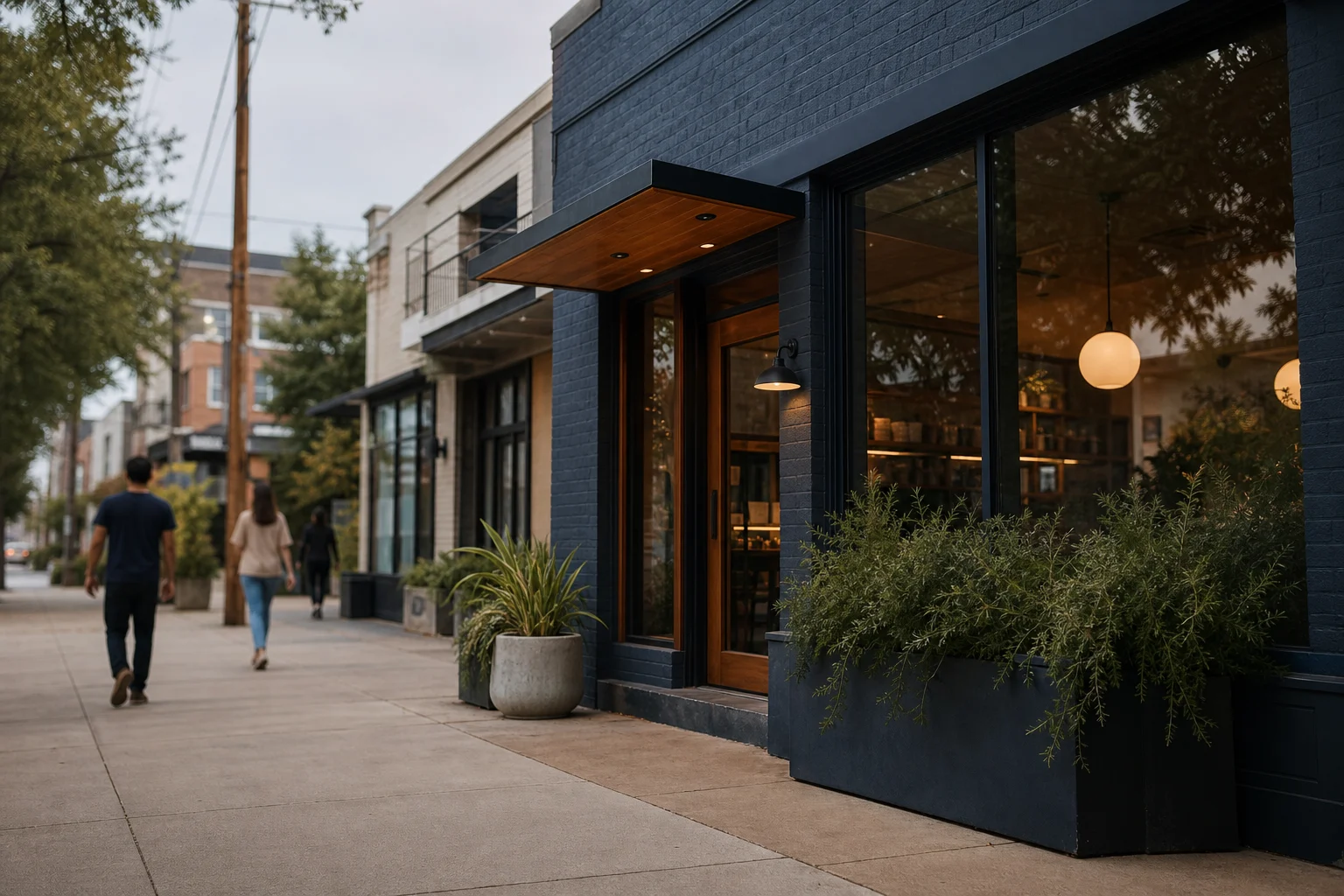
Why location fit matters for a coffee shop
Location determines your customer base, visibility, and operating costs. A coffee shop in the wrong neighborhood faces challenges that even the best business model might not overcome. Foot traffic patterns, local demographics, and nearby competition all impact your potential revenue. Portland's diverse neighborhoods each offer unique advantages and challenges for coffee shop entrepreneurs. Understanding these factors helps you select a location that aligns with your concept and business goals.
Top 3 neighborhoods to consider
Based on Locavisor neighborhood scoring, here are the top three neighborhoods for opening a coffee shop in Portland:
1. St. Johns (6.1/10)
St. Johns ranks #1 on paper — no direct coffee competitors within the search radius, strong rent fit at roughly $30-50/sqft NNN, and a neighborhood corridor with moderate walkability and local vibrancy. But the demand score (3.8/10) and customer match (4.9/10) signal a thin daytime worker pool and only moderate residential density.
Positioning: Best for a takeout-first concept near a captive institutional audience (OHSU) or an underserved neighborhood corridor (St. Johns).
Market temperature: mixed Competition density: medium Rent level: low Score confidence: 72% Data vintage: 2026-05 snapshot
2. Downtown (5.8/10)
Downtown Portland scores a perfect 10 on competitionFit and 9.6 on rentFit, but the demand score (2.8/10) and customer match (2.0/10) are red flags. The office index is near-zero — downtown Portland's post-pandemic office recovery is uneven.
Positioning: Best for high-visibility, high-volume concepts that can capture transient foot traffic from tourism and limited office workers.
Market temperature: cooling Competition density: low Rent level: low Score confidence: 68% Data vintage: 2026-05 snapshot
3. Goose Hollow (5.7/10)
Goose Hollow is a 12-minute walk from downtown with strong walkability, transit access (Goose Hollow MAX station), and dense residential population. Rent is roughly $30-50/sqft NNN.
Positioning: Best for a neighborhood-focused coffee shop with strong transit access and proximity to downtown workers.
Market temperature: stable Competition density: medium Rent level: low Score confidence: 75% Data vintage: 2026-05 snapshot
How the neighborhood scores are built
Locavisor neighborhood scoring evaluates multiple factors to determine the best locations for coffee shops. The scoring system considers demand metrics, competition analysis, rent affordability, accessibility factors, and customer demographic alignment. Each neighborhood receives a score from 1-10 based on how well it matches the ideal profile for a coffee shop business.
The demand score measures foot traffic patterns, daytime population, and consumer spending habits in the area. Competition density evaluates the number and strength of existing coffee shops and similar businesses. Rent fit assesses whether commercial space costs align with typical coffee shop revenue models. Accessibility factors include transit options, parking availability, and walkability. Customer match analyzes whether the neighborhood demographics align with your target market.
Scores are updated regularly to reflect changing market conditions. The confidence percentage indicates how reliable the current score is based on data completeness and neighborhood stability.
How to validate the shortlist before signing a lease
Data provides a starting point, but on-the-ground validation is essential. Visit each neighborhood at different times of day and week. Observe foot traffic patterns and note when the area is busiest. Talk to local business owners about their experiences and challenges. Check for any upcoming developments that might impact the area positively or negatively.
Consider your specific concept when evaluating neighborhoods. A high-end coffee shop with seating needs different conditions than a takeout-focused drive-thru. Your business model should match the neighborhood character and customer expectations.
Review local regulations and requirements before committing. Portland has specific zoning laws that may affect your coffee shop concept. Check for any restrictions on outdoor seating, signage, or operating hours. Understanding these factors early prevents costly surprises later.
Common mistakes founders make in Portland
Many coffee shop founders underestimate the importance of neighborhood fit. A concept that works in one Portland neighborhood may fail in another due to subtle differences in customer preferences and expectations. Don't assume what works in other cities will work in Portland's unique market.
Another common mistake is underestimating competition. Even in areas with few direct coffee competitors, other businesses may serve similar functions. Evaluate all potential competitors, including cafes, restaurants, and convenience stores that might capture your target customers.
Founders often overlook the importance of neighborhood character. Portland neighborhoods have distinct personalities that influence customer expectations. A coffee shop should complement rather than clash with the existing neighborhood vibe.
Finally, many founders fail to account for seasonality. Portland's weather affects foot traffic patterns significantly. A location that seems ideal in summer might struggle during the rainy winter months.

FAQ
Where is the best location for A Coffee Shop in Portland?
Based on Locavisor neighborhood scoring, St. Johns is currently the best neighborhood for opening a coffee shop in Portland with a score of 6.1/10. It offers strong rent fit and limited direct competition, though demand and customer match scores are moderate.
How important is rent when choosing a coffee shop location?
Rent is a critical factor but should be balanced with other considerations. A low-rent area with insufficient foot traffic may generate less revenue than a higher-rent location with strong customer flow. The ideal location maximizes revenue potential while keeping rent at a sustainable percentage of overall costs.
Should I avoid areas with existing coffee shops?
Not necessarily. Areas with established coffee shops often indicate strong demand for the product. The key is to identify neighborhoods where your concept can differentiate itself from existing competitors. Some of Portland's most successful coffee shops operate in areas with multiple competitors.
How does Portland's weather affect coffee shop location decisions?
Portland's rainy winters significantly impact outdoor seating and foot traffic. Locations with covered walkways, indoor seating options, or high indoor traffic may perform better during the rainy season. Consider weather patterns when evaluating outdoor seating potential and customer access.
What's the ideal size for a coffee shop in Portland?
The ideal size depends on your concept and location. Smaller spaces (800-1,200 sqft) work well for takeout-focused concepts in high-foot-traffic areas. Larger spaces (1,500-2,500 sqft) can accommodate seating and community events in neighborhoods with residential density. Your specific business model should drive space requirements.
Last reviewed: 2026-05-08
Sources: U.S. Census Bureau ACS, LEHD LODES, Google Places, OpenStreetMap, Locavisor neighborhood scoring.
Methodology: Locavisor scores neighborhoods across demand, competition fit, rent fit, accessibility, and customer match. Scores reflect a snapshot of recent data and should be combined with on-the-ground research before lease decisions.
Disclaimer: This article provides informational content only and does not constitute legal, financial, accounting, or real-estate advice. Verify lease terms, licensing, local regulations, costs, and professional requirements with qualified local professionals before making business decisions.
Free preview shows top 3 neighborhoods. Full $9.99 report covers all 10 areas with personalized scoring + 90-day check-ins.
Informational only. Verify lease, licensing, local regulations, costs, and professional requirements with qualified local professionals.