Austin, TX · bakery
Cost to open a bakery in Austin
Opening a bakery in Austin requires careful planning of startup costs. The cost to open a bakery in Austin varies based on location, size, concept, and operational approach. This guide breaks down the practical startup-cost stack for Austin bakery founders, focusing on what to validate before spending money.
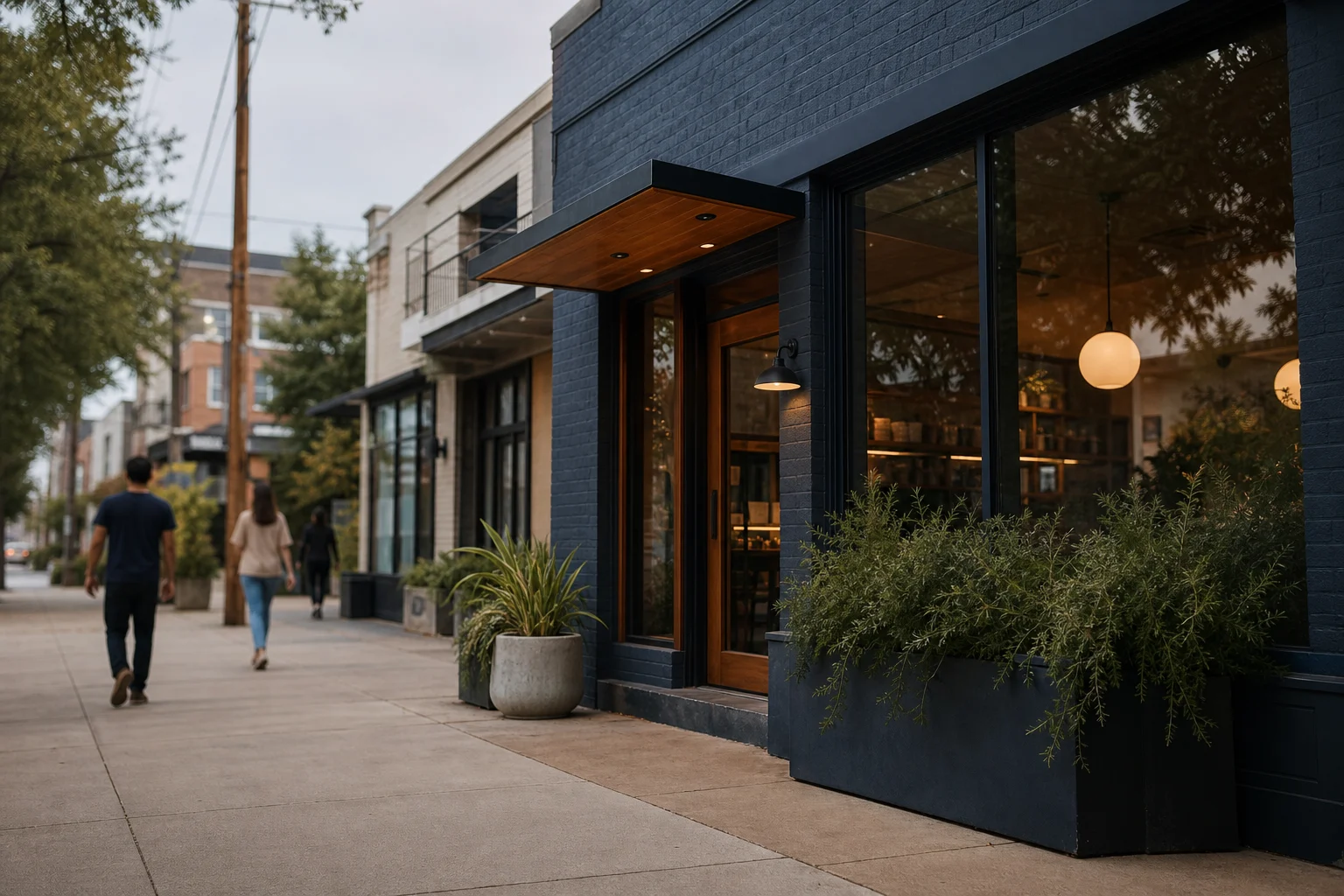
Main startup cost categories
The startup costs for an Austin bakery fall into several key categories. Rent represents your largest fixed expense, followed by buildout and equipment costs. Permits and licensing add another layer of expenses. Hiring and payroll commitments begin before opening day. Launch inventory requires significant upfront capital. Finally, maintaining a cash reserve provides operational flexibility during the critical early months.
Each cost category requires validation against your specific business model and location. The market conditions in Austin's bakery sector influence cost pressures across all categories. Understanding these cost structures helps founders make informed decisions about resource allocation and business scaling.
Rent and lease assumptions in Austin
Rent levels vary significantly across Austin's neighborhoods. The Domain / North Austin area offers medium rent levels at roughly $30-50/sqft NNN. This area has a mixed-use campus with Apple, Google, and Indeed offices nearby, providing a strong daytime worker pool of roughly 10,500 weekday lunch workers within 800m. Competition density is medium, with only one direct bakery competitor (Bakery Lorraine Domain Northside, 4.2★, 987 reviews) within 685m.
Crestview / Brentwood presents a solid in-city neighborhood corridor along North Lamar and Burnet Rd with Crestview Station light-rail access. Rent runs roughly $45-70/sqft NNN, reflecting the corridor's rising popularity. This area has no direct bakery competitors detected, offering a clean slate. Strong residential density (~8,000 potential repeat households within 800m) plus a healthy daytime worker pool supports a bakery concept.
South Lamar is a trendy South Austin strip anchored by Lamar Union Plaza, Alamo Drafthouse, and a dense mix of restaurants and retail. Rent levels align with the medium range, though specific figures aren't provided in the data. This area has one direct competitor — Phoenicia Bakery & Deli (4.7★, 605 reviews, inexpensive) — located 626m away. The strong walkability and good transit access contribute to the area's appeal.
Market temperature is mixed across these areas, creating varied cost pressures. The competition density ranges from medium to low, with South Lamar having one direct competitor and Crestview / Brentwood having none. These factors influence rent negotiations and lease terms.
Buildout, equipment, payroll, opening inventory, permits, and cash reserve
Buildout costs depend on the condition of your space and your concept requirements. A bakery needs specific infrastructure like ventilation, plumbing for sinks, and electrical systems for equipment. The scope of buildout directly impacts your timeline and budget.
Equipment represents another major expense. Commercial ovens, mixers, proofing cabinets, display cases, and refrigeration systems require significant investment. The scale of your operation determines equipment needs, from small batch production to larger wholesale capabilities.
Payroll commitments begin before opening day. Hiring skilled bakers, counter staff, and management requires competitive wages in Austin's service industry. Consider training time and potential overtime costs during the ramp-up period.
Opening inventory includes ingredients, packaging, and supplies. Fresh ingredients require careful sourcing and inventory management to minimize waste while ensuring product quality.
Permits and licensing add both time and cost to your startup process. Health department permits, food handler certifications, and business licenses must be obtained before operations begin. The timeline for these approvals can impact your opening date.
Cash reserve provides critical buffer for unexpected expenses and slow periods. Maintaining sufficient operating capital ensures you can weather the challenges of the early months while building customer loyalty.

Lean vs moderate vs generous launch budgets
Founders approach bakery launches with varying budget philosophies. A lean launch minimizes fixed costs and focuses on core offerings. This approach reduces financial risk but may limit initial capacity and marketing reach.
A moderate launch balances cost control with sufficient resources for quality operations. This approach typically allows for a broader menu, better equipment, and more robust marketing. The Domain / North Austin area supports this approach with its strong daytime worker pool and moderate rent levels.
A generous launch maximizes initial investment in premium equipment, extensive buildout, and comprehensive marketing. This approach positions the bakery for immediate scale but requires significant upfront capital and carries higher financial risk.
The market temperature in Austin's bakery sector is mixed, creating opportunities for different approaches. Areas like Crestview / Brentwood with no direct competitors may support a lean launch, while established areas like South Lamar with existing competition might require a more substantial investment.
What to validate before spending money
Before committing significant capital, validate your lease assumptions. Negotiate favorable terms considering the medium rent levels in Austin's bakery-friendly neighborhoods. Consider the length of the lease, renewal options, and tenant improvement allowances.
Validate your buildout scope against your business model. Ensure the space can accommodate your production needs while providing customer experience elements. Consider future expansion possibilities within the space.
Validate your equipment list against your production capacity and menu offerings. Prioritize equipment that delivers the best return on investment for your concept. Consider used equipment options to reduce initial costs.
Validate your payroll model against Austin's labor market. Research competitive wages for bakery positions and factor in training time. Consider staffing levels needed during different times of day and week.
Validate your opening inventory requirements against supplier capabilities and delivery schedules. Consider storage limitations and ingredient shelf life. Develop relationships with multiple suppliers to ensure continuity.
Validate your cash reserve against industry benchmarks and your specific circumstances. Consider potential delays in opening, slower-than-expected sales ramp, and unexpected expenses. Maintain flexibility in your budget to accommodate adjustments.
Finally, validate all assumptions with local professionals. Consult with an accountant familiar with Austin's food service industry, a commercial real estate broker specializing in retail spaces, and a restaurant consultant with bakery experience. Their insights can help identify potential cost traps and optimize your startup approach.
FAQ
How much does it cost to open A Bakery in Austin?
The exact total cost to open a bakery in Austin cannot be estimated from the provided data. Startup costs vary significantly based on location within Austin, size of the operation, concept complexity, and operational approach. Key variables to validate include lease terms and buildout requirements in your chosen neighborhood, equipment needs based on your production capacity, staffing levels based on your service model, inventory requirements based on your menu, and sufficient cash reserves for operational stability. The Domain / North Austin area offers medium rent levels at roughly $30-50/sqft NNN, while Crestview / Brentwood presents rent at roughly $45-70/sqft NNN. South Lamar has one direct competitor — Phoenicia Bakery & Deli (4.7★, 605 reviews, inexpensive) — located 626m away. Each location presents different cost pressures and opportunities that impact overall startup requirements.
Last reviewed: 2026-05-08
Sources: U.S. Census Bureau ACS, LEHD LODES, Google Places, OpenStreetMap, Locavisor neighborhood scoring.
Methodology: Locavisor scores neighborhoods across demand, competition fit, rent fit, accessibility, and customer match. Scores reflect a snapshot of recent data and should be combined with on-the-ground research before lease decisions.
Disclaimer: This article provides informational content only and does not constitute legal, financial, accounting, or real-estate advice. Verify lease terms, licensing, local regulations, costs, and professional requirements with qualified local professionals before making business decisions.
Free preview shows top 3 neighborhoods. Full $9.99 report covers all 10 areas with personalized scoring + 90-day check-ins.
Informational only. Verify lease, licensing, local regulations, costs, and professional requirements with qualified local professionals.