Chicago, IL · bakery
Cost to open a bakery in Chicago
For small business founders considering a bakery venture in Chicago, understanding the cost to open a bakery in Chicago requires examining multiple factors beyond just rent. The Windy City offers diverse neighborhoods with varying costs, competition levels, and market opportunities. Locavisor's neighborhood scoring provides insights into the most promising areas for a bakery startup, helping founders make informed decisions about where to invest their resources.
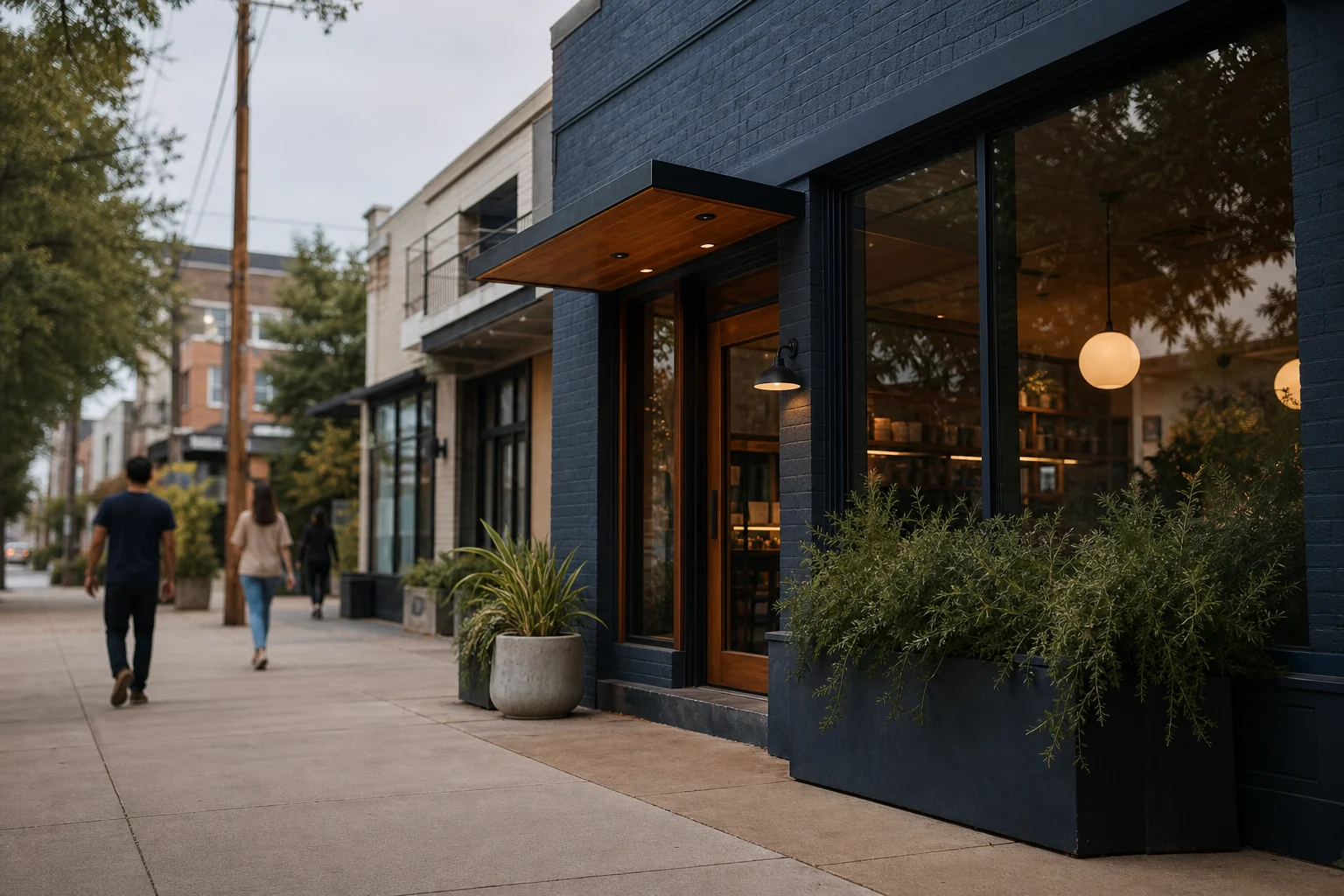
Main startup cost categories
Opening a bakery in Chicago involves several key cost categories that founders must plan for. These include rent and lease assumptions, buildout and equipment costs, payroll expenses, opening inventory, permits and licenses, and cash reserves for the launch phase. Each category carries its own financial considerations and potential cost traps that can impact your startup budget.
The cost structure varies significantly based on location, concept, and scale. Chicago's diverse neighborhoods offer different opportunities and challenges for bakery entrepreneurs. Understanding these variations is crucial for developing a realistic financial plan that aligns with your business vision and available capital.
Rent and lease assumptions in Chicago
Chicago's rental landscape for bakery spaces presents a range of options with corresponding cost pressures. Locavisor's neighborhood scoring identifies three top areas for bakery startups, each with distinct rental characteristics and market conditions.
Chinatown ranks #1 on rent fit and competition fit with moderate rent (~$30-50/sqft NNN). This area offers strong walkability, transit access, and residential density. However, the presence of 8 existing bakeries within 800m—including Chiu Quon (4.4★/979 reviews), Tous Les Jours (4.4★/1,138 reviews), and Paris Baguette (4.3★/266 reviews)—requires differentiation for any new entrant. Chinatown works best for a takeout-first concept with a distinct product angle.
South Loop presents a high-demand, high-rent corridor with costs ranging from $90-140/sqft NNN. This area features maxed-out office density and daytime population, with two existing bakeries (Paris Baguette 4.0★/476 reviews, Molly's Cupcakes 4.2★/419 reviews). The strong lunch and morning traffic from office workers and residents creates opportunity, but rent pressure is severe for medium-budget operators.
Devon Ave / West Ridge offers the best rent-value proposition at roughly $20-35/sqft NNN. With strong residential density and an established South Asian food corridor, this area presents a more affordable option. Tahoora Sweets & Bakery (4.2★, 3,447 reviews) dominates the sweet-bakery category, making this location best fit for a savory-bread or fusion bakery concept that doesn't compete directly with existing operators.
Buildout, equipment, payroll, opening inventory, permits, and cash reserve
Beyond rent, bakery startups face significant investments in buildout and equipment. The scale and quality of your baking equipment will depend on your concept and production capacity. Commercial ovens, mixers, proofing cabinets, and display cases represent major capital expenditures that require careful planning.
Payroll expenses constitute another substantial cost category, encompassing not just bakers and front-counter staff but potentially management roles as well. Chicago's minimum wage requirements and potential need for specialized baking talent will influence these costs.
Opening inventory includes initial ingredients, packaging supplies, and potentially small equipment purchases. The scale of your initial inventory should align with your expected sales volume and supplier relationships.
Permits and licenses represent necessary but often underestimated costs. Chicago's health department requirements, food handler certifications, and business licenses add complexity to the startup process. These requirements vary by location and business type, requiring thorough research.
Cash reserves serve as your financial safety net during the critical early months when revenue may not yet cover expenses. The appropriate reserve size depends on your burn rate and various market factors.

Lean vs moderate vs generous launch budgets
Founders must consider their approach to budget allocation across these categories. A lean budget might prioritize essential equipment and minimal buildout, potentially limiting initial capacity. A moderate budget allows for more comprehensive equipment and a polished customer experience, while a generous budget enables premium equipment, extensive marketing, and potentially multiple locations.
The appropriate budget level depends on your concept, target market, and financial resources. Some bakery concepts can succeed with minimal investment, while others require significant upfront capital to establish credibility and capacity.
What to validate before spending money
Before committing significant resources to your bakery startup, several critical validations should be completed:
First, validate your lease assumptions by thoroughly researching the specific location's foot traffic, visibility, and accessibility. Consider conducting your own traffic counts and customer surveys to confirm market potential.
Second, validate your buildout scope by obtaining multiple contractor bids and understanding local building codes and health department requirements. Unexpected construction issues can quickly escalate costs.
Third, validate your equipment list by consulting with experienced bakery operators and suppliers. Some equipment may be available through leasing programs that can improve cash flow.
Fourth, validate your payroll model by researching Chicago's labor market for bakery staff and understanding scheduling requirements for different business volumes.
Fifth, validate your opening inventory requirements by consulting with suppliers and understanding lead times for key ingredients.
Sixth, validate your cash reserve needs by modeling various scenarios and understanding typical revenue patterns for new bakery businesses.
Finally, validate your concept with potential customers through taste tests and surveys. The market's response to your product will ultimately determine your business's success.
FAQ
How much does it cost to open A Bakery in Chicago?
The exact total cost to open a bakery in Chicago cannot be estimated from the provided data. Startup costs vary significantly based on location, concept scale, equipment quality, and other factors. Founders should validate their specific requirements for rent, buildout, equipment, permits, inventory, and cash reserves before developing a comprehensive budget. Locavisor's neighborhood scoring can help identify promising areas with appropriate cost structures for different bakery concepts.
What are the best neighborhoods for a bakery in Chicago?
Based on Locavisor's neighborhood scoring, the top three areas for bakery startups are Chinatown (6.4/10), South Loop (6.3/10), and Devon Ave / West Ridge (6.1/10). Each offers distinct advantages and challenges in terms of rent levels, competition density, and market opportunities.
How does competition affect bakery startup costs in Chicago?
Competition density significantly impacts startup costs and market positioning. Areas with higher competition may require more investment in differentiation and marketing, while areas with less competition might offer lower barriers to entry but potentially smaller market opportunities. Chinatown's 8 existing bakeries within 800m illustrate the competitive landscape that new entrants must navigate.
What are the typical rent ranges for bakery spaces in Chicago?
Rent ranges vary by neighborhood. Chinatown offers moderate rent at ~$30-50/sqft NNN, South Loop presents high-rent options at $90-140/sqft NNN, and Devon Ave / West Ridge offers the most affordable option at roughly $20-35/sqft NNN. These ranges reflect different market conditions and opportunities.
How important is differentiation for a new bakery in Chicago?
Differentiation is crucial, particularly in competitive areas like Chinatown with 8 existing bakeries within 800m. A distinct product angle or business model can help new entrants stand out in a crowded market. Concepts that don't directly compete with established operators, such as a savory-bread bakery in Devon Ave / West Ridge, may have an easier path to market acceptance.
Last reviewed: 2026-05-08
Sources: U.S. Census Bureau ACS, LEHD LODES, Google Places, OpenStreetMap, Locavisor neighborhood scoring.
Methodology: Locavisor scores neighborhoods across demand, competition fit, rent fit, accessibility, and customer match. Scores reflect a snapshot of recent data and should be combined with on-the-ground research before lease decisions.
Disclaimer: This article provides informational content only and does not constitute legal, financial, accounting, or real-estate advice. Verify lease terms, licensing, local regulations, costs, and professional requirements with qualified local professionals before making business decisions.
Free preview shows top 3 neighborhoods. Full $9.99 report covers all 10 areas with personalized scoring + 90-day check-ins.
Informational only. Verify lease, licensing, local regulations, costs, and professional requirements with qualified local professionals.