Columbus, OH · bakery
Cost to open a bakery in Columbus
Opening a bakery in Columbus requires understanding the practical startup-cost stack before committing capital. The cost to open a bakery in Columbus varies significantly based on location, concept, and scale. Columbus presents a mixed market temperature with medium competition density and medium-high rent levels. Founders must validate key assumptions across rent, buildout, equipment, permits, hiring, and launch cash to avoid common cost traps.
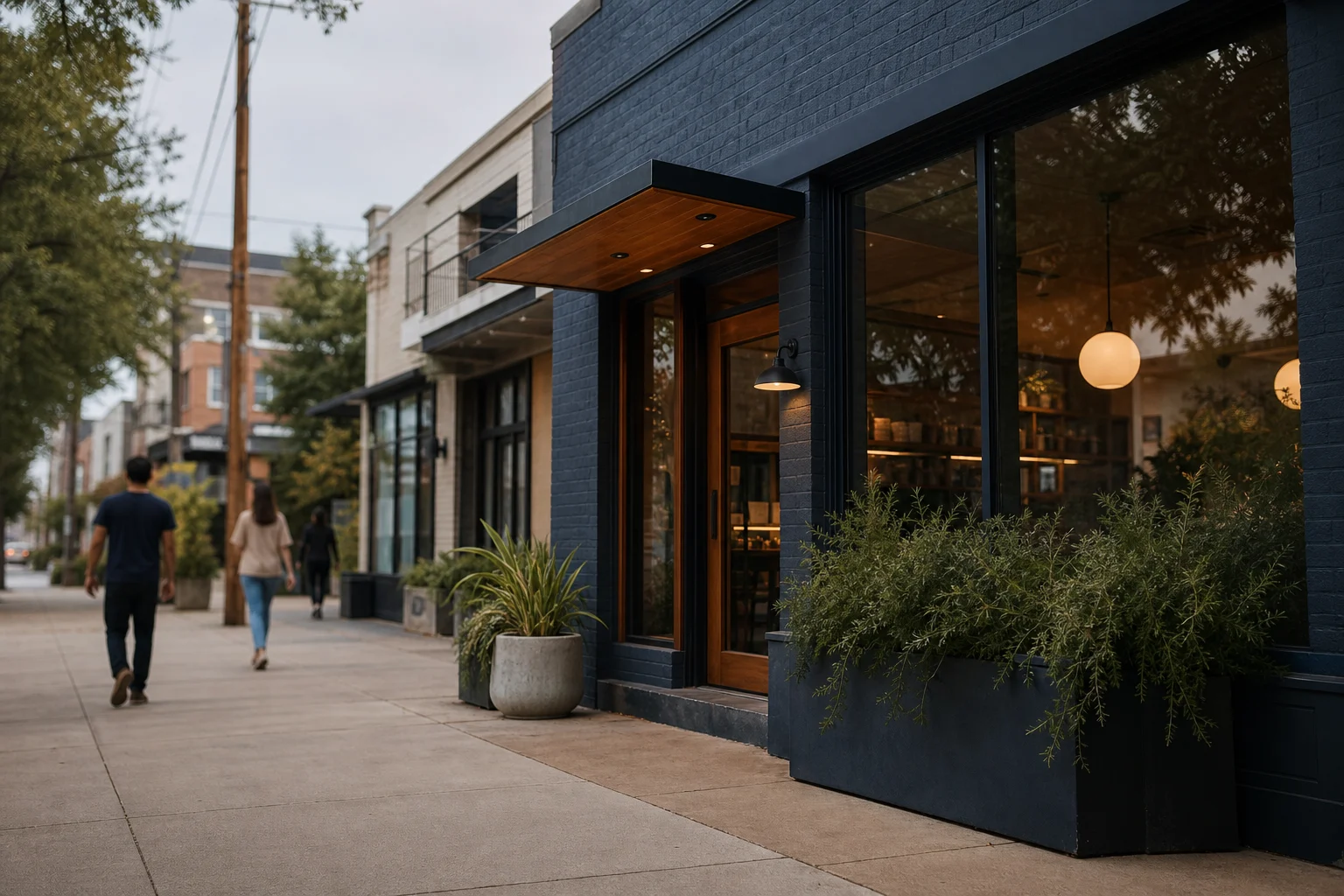
Main startup cost categories
The startup cost stack for a Columbus bakery breaks down into seven key categories. Each category requires validation before spending money. Rent typically represents the largest fixed cost, followed by buildout and equipment. Permits and licensing add complexity to the budget. Payroll costs accumulate before revenue begins. Opening inventory requires careful calculation. Finally, a cash reserve covers unexpected expenses during the ramp-up period. Founders must evaluate each category through the lens of their specific concept and location.
Rent and lease assumptions in Columbus
Location selection significantly impacts rent costs and overall startup expenses. Columbus offers distinct neighborhood options with varying characteristics. Locavisor neighborhood scoring identifies three top areas for bakery consideration:
Easton (7.4/10) — Easton Town Center is a master-planned outdoor mall with maxed-out office density, strong morning/lunch dayparts, and zero direct bakery competitors — a rare white-space play. Walkability is strong and parking is ample, but the rent tier (~$45-70/sqft NNN) and suburban car-first layout mean you're betting on destination traffic rather than neighborhood walk-ins.
Polaris (6.3/10) — Polaris is a suburban office-and-retail hub anchored by Polaris Fashion Place, with strong daytime worker density and a maxed-out office index. The catch: Paris Baguette (4.5★, 350 reviews) is already operating 330m from the centroid, setting the price ceiling for bakery. Rent is premium-tier (~$65-95/sqft NNN), and the area is heavily car-dependent with thin transit access.
Discovery District (6.2/10) — Discovery District sits at the cultural and civic heart of downtown Columbus — steps from Topiary Park, Columbus Commons, the Scioto Mile, and multiple universities (Franklin University, CCAD, Columbus State). Daytime population density is near ceiling, parking is abundant, and transit access is strong. No direct bakery competitors were found.
Easton leads as the best area for a takeout-first bakery near maxed-out office density with zero direct competitors. The rent tier in Easton represents medium-high cost pressure compared to other Columbus neighborhoods. Founders should negotiate lease terms that include buildout allowances and favorable renewal options.
Buildout, equipment, payroll, opening inventory, permits, and cash reserve
Buildout costs depend heavily on the condition of the space and your concept requirements. A bakery in Columbus may need specialized ventilation, plumbing, and electrical systems. Equipment represents a significant capital investment, including ovens, mixers, proofing cabinets, display cases, and refrigeration. Payroll costs include not just wages but also payroll taxes, benefits, and training expenses. Opening inventory must balance initial product variety with cash flow considerations. Permits and licensing in Columbus include health department approvals, food handler certifications, and business registrations. A cash reserve covers unexpected expenses during the ramp-up period before reaching steady-state revenue.

Lean vs moderate vs generous launch budgets
Founders approach bakery launches with different budget philosophies. A lean launch minimizes fixed costs by focusing on core products and efficient operations. A moderate launch balances quality with cost efficiency, allowing for a broader product range and better equipment. A generous launch prioritizes premium equipment, prime locations, and extensive marketing. The right approach depends on your concept, target market, and risk tolerance. Columbus' mixed market temperature suggests that moderate launches may offer the best balance of risk and reward.
What to validate before spending money
Before committing significant capital, validate these key assumptions:
Lease assumptions: Verify foot traffic patterns, competitor performance, and lease terms including rent increases and renewal options. Easton's zero direct competitors represent a rare opportunity but comes with higher rent costs.
Buildout scope: Confirm that your buildout budget aligns with the actual condition of the space and local building codes. Columbus may have specific requirements for food establishments.
Equipment list: Validate that your equipment selections match production needs and energy efficiency standards. Energy costs impact long-term profitability.
Payroll model: Confirm labor requirements and wage rates for Columbus. Consider the impact of Ohio's minimum wage and potential overtime requirements.
Opening inventory: Calculate initial inventory needs based on projected sales and supplier lead times. Columbus suppliers may have specific ordering requirements.
Cash reserve: Ensure you have sufficient capital to cover unexpected expenses during the ramp-up period. Columbus' mixed market temperature suggests conservative cash planning.
Local professional review: Engage local professionals including attorneys, accountants, and industry consultants with Columbus-specific experience.
FAQ
How much does it cost to open A Bakery in Columbus?
The exact total cost to open a bakery in Columbus cannot be estimated from the provided data. Startup costs vary significantly based on location, concept scale, equipment choices, and buildout requirements. Columbus presents a mixed market temperature with medium competition density and medium-high rent levels. Founders should validate key assumptions across rent, buildout, equipment, permits, hiring, and launch cash before committing capital. The top areas for consideration include Easton (7.4/10), Polaris (6.3/10), and Discovery District (6.2/10), each with distinct characteristics affecting cost structure. A detailed business plan with professional guidance is essential for accurate cost estimation.
Last reviewed: 2026-05-08
Sources: U.S. Census Bureau ACS, LEHD LODES, Google Places, OpenStreetMap, Locavisor neighborhood scoring.
Methodology: Locavisor scores neighborhoods across demand, competition fit, rent fit, accessibility, and customer match. Scores reflect a snapshot of recent data and should be combined with on-the-ground research before lease decisions.
Disclaimer: This article provides informational content only and does not constitute legal, financial, accounting, or real-estate advice. Verify lease terms, licensing, local regulations, costs, and professional requirements with qualified local professionals before making business decisions.
Free preview shows top 3 neighborhoods. Full $9.99 report covers all 10 areas with personalized scoring + 90-day check-ins.
Informational only. Verify lease, licensing, local regulations, costs, and professional requirements with qualified local professionals.