Denver, CO · bakery
Cost to open a bakery in Denver
Denver's promising market temperature makes it an attractive location for bakery entrepreneurs. Understanding the cost to open a bakery in Denver requires examining multiple factors beyond just rent. The startup cost stack includes lease assumptions, buildout requirements, equipment needs, permitting processes, hiring considerations, opening inventory, and cash reserves. Each category carries its own cost pressures that vary by neighborhood and business model.
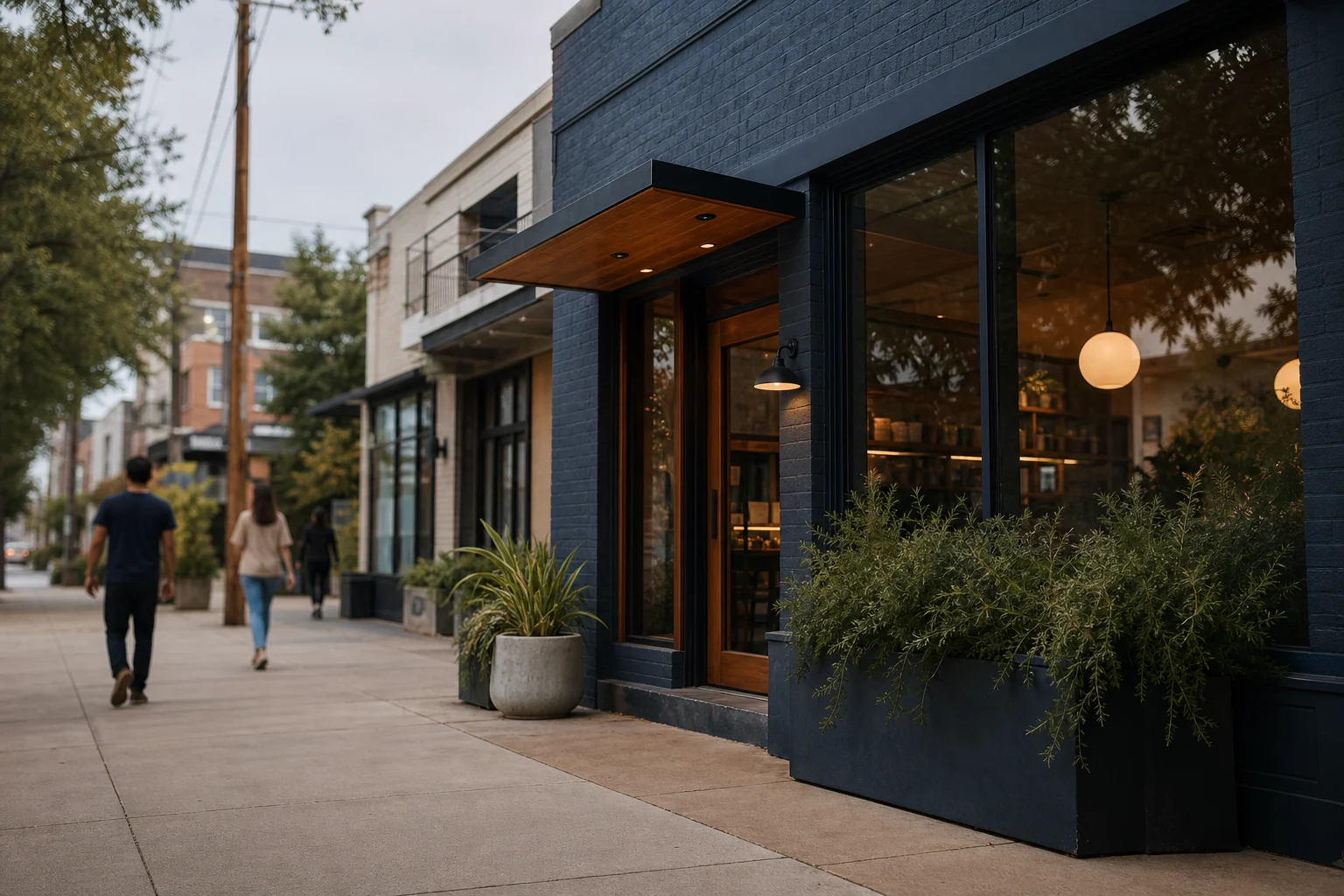
Main startup cost categories
Opening a bakery in Denver involves several distinct cost categories that require careful planning. Rent typically represents the largest fixed cost, followed by buildout and equipment expenses. Permits and licensing add another layer of costs, while hiring and payroll represent ongoing operational expenses. Opening inventory and cash reserves complete the startup cost stack. These categories interact with each other and with Denver's specific market conditions to create a unique cost profile for each bakery venture.
Rent and lease assumptions in Denver
Denver's rent level is classified as low, which provides a favorable starting point for bakery entrepreneurs. The Top 3 areas for bakery locations in Denver, according to Locavisor neighborhood scoring, offer different advantages:
LoDo (Lower Downtown) (7.9/10) — LoDo is Denver's highest-traffic downtown corridor — Union Station commuters, Coors Field event crowds, Larimer Square tourists, and a dense office-worker base. The walkability is maxed out, morning and lunch dayparts are near ceiling, and the area already supports multiple bakeries (Trompeau 4.5★, LoDough 4.9★) validating demand. Rent runs roughly $30-50/sqft NNN — workable for medium-budget.
RiNo (River North Art District) (7.5/10) — RiNo is Denver's creative-class hub — murals, galleries, breweries, and The Denver Central Market anchor a walkable industrial-chic corridor. Office density is strong, residential density is solid, and tourist draw is above-average.
Five Points (7.2/10) — Five Points blends historic jazz-district character with Welton Street light-rail access and growing residential density. It's adjacent to RiNo and downtown, with strong walkability and daytime population.
The rent range in LoDo provides a benchmark for evaluating other areas. When considering lease assumptions, factor in the triple net (NNN) costs which typically cover property taxes, insurance, and maintenance. Lease terms, square footage requirements, and location within each neighborhood significantly impact rent costs.
Buildout, equipment, payroll, opening inventory, permits, and cash reserve
Buildout costs depend heavily on the condition of the space and the bakery's concept. A full-service bakery requiring extensive kitchen facilities will have higher buildout costs than a retail-focused operation with minimal production space. Equipment needs vary by bakery type but typically include ovens, mixers, proofing cabinets, display cases, and refrigeration systems.
Payroll costs depend on staffing levels and wage rates in Denver. A bakery typically requires bakers, counter staff, and possibly management personnel. Opening inventory costs include initial supplies of ingredients, packaging materials, and retail products.
Permitting processes add another layer of costs that vary by location and business type. These costs should be factored into the startup budget alongside professional fees for legal and accounting services.
Cash reserves are critical for covering expenses before the bakery reaches operational stability. The amount needed depends on the business model, location, and various operational factors.

Lean vs moderate vs generous launch budgets
Different approaches to launch budgets create different cost pressures. A lean launch budget minimizes fixed costs and focuses on essential operations. This approach might involve a smaller space, used equipment, and a limited menu. A moderate launch budget allows for more comprehensive operations with better equipment and a fuller menu. A generous launch budget supports premium locations, state-of-the-art equipment, and extensive staffing.
Each approach carries different risk profiles. Lean budgets reduce initial financial exposure but may limit growth potential. Generous budgets provide stronger positioning but require more revenue to reach profitability. The optimal approach depends on the entrepreneur's financial resources, business concept, and risk tolerance.
What to validate before spending money
Before committing significant funds to a bakery venture in Denver, validate several key assumptions:
Lease assumptions should be thoroughly researched. Verify foot traffic patterns, visibility, and accessibility. Confirm the terms of the lease, including rent increases, maintenance responsibilities, and lease duration. Consider the neighborhood's market temperature and competition density when evaluating lease terms.
Buildout scope should align with the business concept and budget. Assess the condition of the space and identify necessary improvements. Consider how buildout costs might impact the overall budget and timeline.
Equipment needs should match the bakery's production requirements and menu. Research equipment options and consider new versus used equipment. Factor in installation costs and ongoing maintenance requirements.
Payroll model should reflect realistic staffing needs based on expected business volume. Consider Denver's wage rates and employment regulations. Factor in training costs and potential overtime expenses.
Opening inventory requirements should align with initial sales projections. Consider ingredient shelf life and storage requirements. Factor in initial packaging and branding costs.
Cash reserve needs should cover all startup costs plus several months of operating expenses. Consider seasonal variations in business volume and potential unexpected expenses.
Local professional review is essential before finalizing any plans. Consult with a commercial real estate agent familiar with Denver's bakery market. Engage an accountant to review financial projections. Consider hiring a consultant with bakery industry experience to review the business plan.
FAQ
How much does it cost to open A Bakery in Denver?
The exact total cost to open a bakery in Denver cannot be estimated from the provided data. Startup costs vary significantly based on location, size, concept, equipment needs, and other factors. Before making financial commitments, validate lease assumptions, buildout scope, equipment requirements, payroll model, opening inventory needs, and cash reserve requirements. Consider engaging local professionals familiar with Denver's bakery market to develop accurate cost projections based on your specific business concept.
Last reviewed: 2026-05-08
Sources: U.S. Census Bureau ACS, LEHD LODES, Google Places, OpenStreetMap, Locavisor neighborhood scoring.
Methodology: Locavisor scores neighborhoods across demand, competition fit, rent fit, accessibility, and customer match. Scores reflect a snapshot of recent data and should be combined with on-the-ground research before lease decisions.
Disclaimer: This article provides informational content only and does not constitute legal, financial, accounting, or real-estate advice. Verify lease terms, licensing, local regulations, costs, and professional requirements with qualified local professionals before making business decisions.
Free preview shows top 3 neighborhoods. Full $9.99 report covers all 10 areas with personalized scoring + 90-day check-ins.
Informational only. Verify lease, licensing, local regulations, costs, and professional requirements with qualified local professionals.