Minneapolis, MN · bakery
Cost to open a bakery in Minneapolis
Understanding the cost to open a bakery in Minneapolis requires examining multiple factors beyond simple rent calculations. The city's bakery market presents mixed conditions with medium competition density and medium rent levels, according to Locavisor neighborhood scoring. Founders must validate assumptions across several cost categories before committing capital.
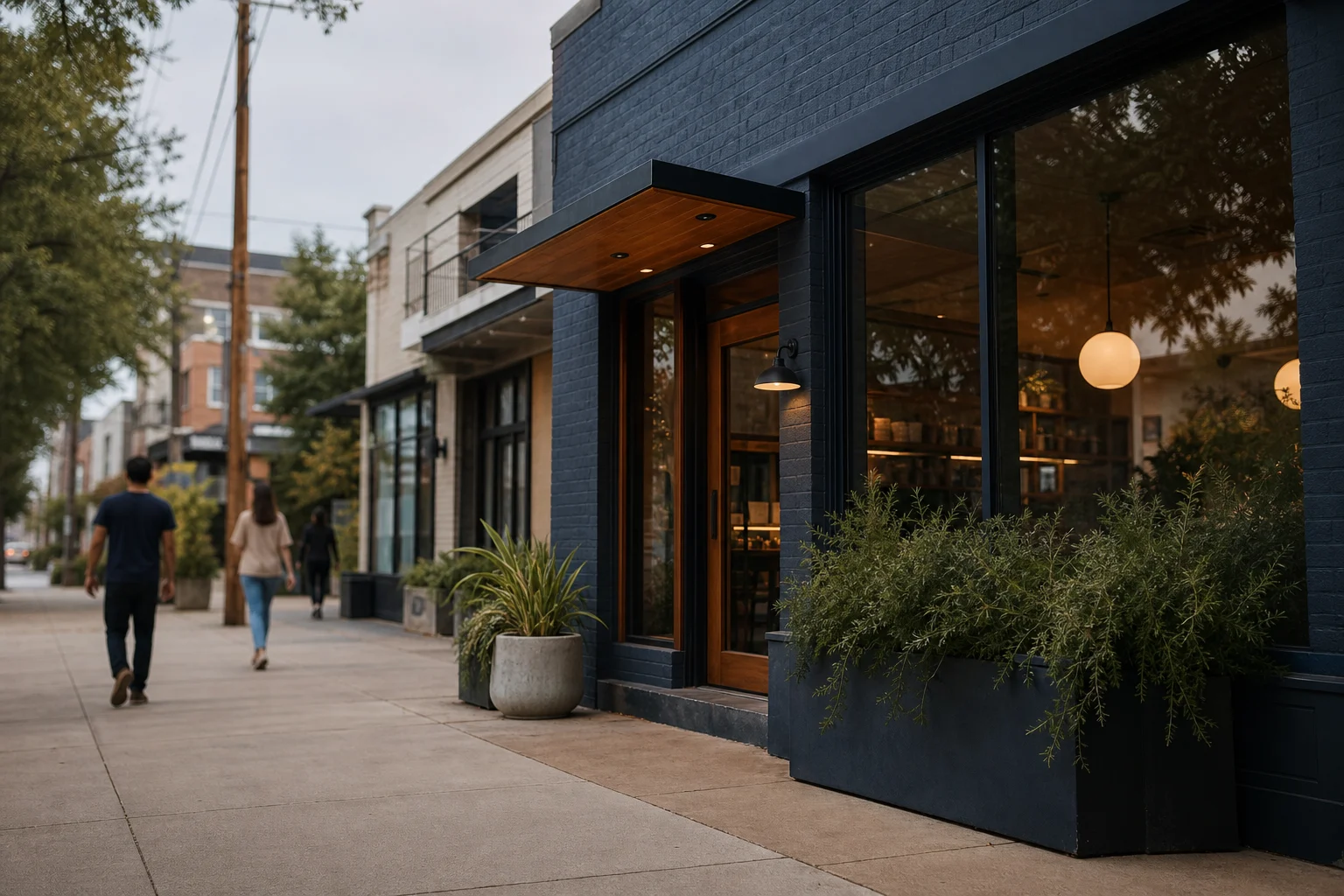
Main startup cost categories
Opening a bakery involves several major cost categories that require careful consideration. Rent represents the largest fixed expense, followed by buildout and equipment costs. Payroll for skilled bakers and front staff forms another significant expense. Opening inventory, permits, and cash reserves complete the core startup cost stack. Each category carries its own variables and potential cost traps that can derail a new bakery before it finds its footing.
Rent and lease assumptions in Minneapolis
Minneapolis offers distinct neighborhood options for bakery operators, each with different rent profiles and market characteristics. Locavisor neighborhood scoring identifies three top areas for consideration:
North Loop (6.9/10) — North Loop is Minneapolis's trendiest former-warehouse district, with city-leading office density and strong morning/lunch daypart scores. Rent runs roughly $65-95/sqft NNN — premium for a medium-budget operator.
Lowry Hill (6.9/10) — Lowry Hill sits along Hennepin + Franklin near the Walker Art Center and Minneapolis Sculpture Garden. Rent is the most affordable of the top-ranked areas at roughly $20-35/sqft NNN — a value corridor. Office density is near ceiling and tourist traffic from the art institutions adds weekend lift.
Downtown (6.2/10) — Downtown Minneapolis around Nicollet Mall and the skyway system has the highest daytime population density of all areas, but also the most coffee-and-pastry competition — Keys Cafe & Bakery (4.5★/2,000 reviews) is a dominant incumbent just 210m from the centroid, plus multiple Starbucks and Caribou locations.
The cost to open a bakery in Minneapolis varies significantly based on location choice. North Loop offers premium visibility but at premium rent. Lowry Hill provides more affordable rent with strong tourist traffic. Downtown presents the highest foot traffic but also the most competition density.
Buildout, equipment, payroll, opening inventory, permits, and cash reserve
Buildout costs depend heavily on the condition of the selected space and the bakery's concept. A full-service bakery requiring commercial ovens, proofing cabinets, and display cases will have different requirements than a smaller counter-service operation. Equipment costs can vary widely based on new versus used purchases and specific functional needs.
Payroll represents another significant expense. Minneapolis's labor market requires competitive wages for skilled bakers and front-of-house staff. The mixed market temperature suggests operators should prepare for varying labor availability depending on the specific neighborhood.
Opening inventory costs include initial ingredients, packaging, and supplies. Permits and regulatory compliance add another layer of requirements that vary by location and business model. Cash reserves are essential for covering operating expenses before the bakery reaches steady-state revenue.

Lean vs moderate vs generous launch budgets
Founders should consider different budget approaches based on their risk tolerance and financial resources. A lean launch minimizes fixed costs with a smaller footprint and simplified menu. A moderate budget allows for more equipment variety and a larger space. A generous launch budget supports premium locations, extensive buildout, and comprehensive staffing.
The medium rent level in Minneapolis means operators face moderate pressure on their largest fixed expense. This creates opportunities for creative solutions like shared kitchen spaces or off-peak hours operations to reduce overhead while maintaining quality.
What to validate before spending money
Before committing significant capital, founders should validate several key assumptions. Lease terms should be carefully reviewed for hidden costs and renewal options. Buildout scope should align with both the business concept and budget constraints. Equipment needs must match production requirements without unnecessary expense.
Payroll models should reflect realistic staffing needs and wage expectations for Minneapolis. Opening inventory requirements should be based on projected sales rather than optimistic assumptions. Permit requirements should be thoroughly researched to avoid unexpected delays or costs.
Cash reserve adequacy is critical. Many new businesses underestimate the time required to reach break-even. A conservative cash reserve can provide the breathing room needed to navigate early challenges without compromising quality or service.
FAQ
How much does it cost to open A Bakery in Minneapolis?
The exact total cost to open a bakery in Minneapolis cannot be estimated from the provided data. Startup costs vary significantly based on location choice, space size, equipment needs, buildout requirements, staffing levels, and inventory requirements. Operators should validate assumptions about rent in their chosen neighborhood, buildout scope, equipment list, payroll model, opening inventory needs, permit requirements, and adequate cash reserves before committing capital. The medium rent level and mixed market temperature suggest operators should prepare for moderate cost pressures across multiple expense categories.
Last reviewed: 2026-05-08
Sources: U.S. Census Bureau ACS, LEHD LODES, Google Places, OpenStreetMap, Locavisor neighborhood scoring.
Methodology: Locavisor scores neighborhoods across demand, competition fit, rent fit, accessibility, and customer match. Scores reflect a snapshot of recent data and should be combined with on-the-ground research before lease decisions.
Disclaimer: This article provides informational content only and does not constitute legal, financial, accounting, or real-estate advice. Verify lease terms, licensing, local regulations, costs, and professional requirements with qualified local professionals before making business decisions.
Free preview shows top 3 neighborhoods. Full $9.99 report covers all 10 areas with personalized scoring + 90-day check-ins.
Informational only. Verify lease, licensing, local regulations, costs, and professional requirements with qualified local professionals.