New York, NY · bakery
Cost to open a bakery in New York
Understanding the cost to open a bakery in New York requires analyzing multiple factors beyond just the obvious expenses. The city's competitive bakery scene, high rent levels, and varying neighborhood dynamics create a complex financial landscape for entrepreneurs. Locavisor neighborhood scoring identifies three promising areas with different cost profiles and market conditions.
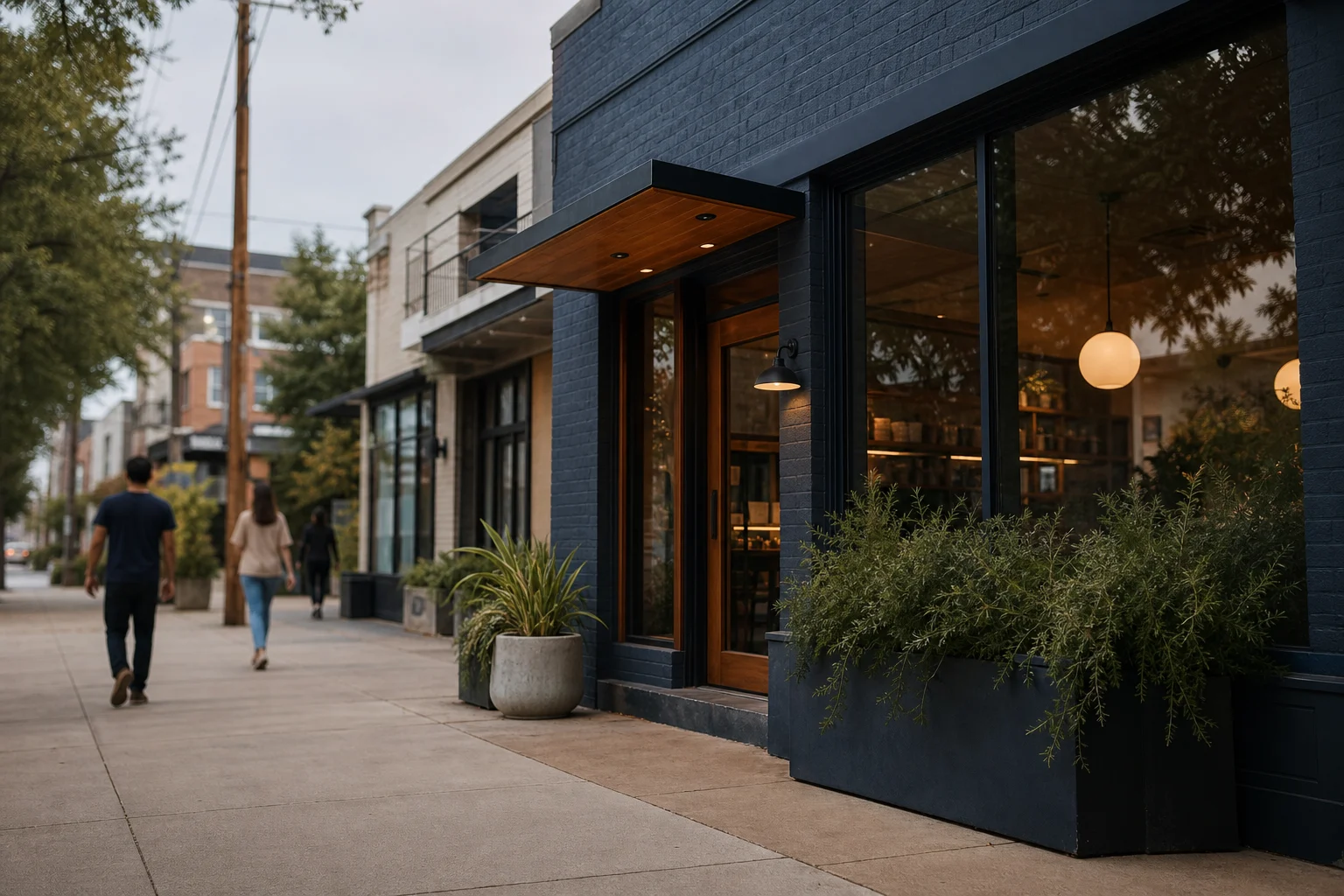
Main startup cost categories
The cost to open a bakery in New York involves several key categories that require careful consideration. Rent typically represents your largest fixed expense, followed by buildout and equipment costs that establish your physical presence. Permits and licensing add regulatory compliance costs, while hiring and training ensure operational capacity. Opening inventory and cash reserves complete the financial picture, providing the resources needed to navigate the critical early months of operation.
Each category carries its own cost pressures based on location, scale, and business model. New York's high rent level directly impacts your breakeven calculation, while competition density affects your marketing budget and customer acquisition strategy. Market temperature influences your launch timing and promotional spend, creating a dynamic financial environment that requires precise planning.
Rent and lease assumptions in New York
Rent assumptions form the foundation of your cost structure when opening a bakery in New York. Locavisor neighborhood scoring identifies Murray Hill as the best fit with an overall score of 6.2/10, though it comes with trophy-tier rent levels of $90-140/sqft NNN. This high-cost environment is balanced by the highest office-worker density in NYC with maxed-out morning and lunch dayparts, ideal for a breakfast-and-lunch bakery concept.
Astoria presents a different financial profile with a score of 6.1/10 and neighborhood-corridor level rent of $30-50/sqft NNN. The area offers a perfect rentFit score with maxed-out residential density and strong evening daypart performance. This value play positions Astoria as the strongest option for cost-conscious bakery operators who still want access to a dense customer base.
Midtown rounds out the top three with a 6.1/10 score, featuring maxed-out office density and ceiling-level morning and lunch dayparts. The transit access funnels commuters from every borough, creating high foot traffic but also significant competition. Your rent assumptions must account for these neighborhood-specific dynamics while factoring in your business model and target customer profile.
Buildout, equipment, payroll, opening inventory, permits, and cash reserve
Buildout costs vary significantly based on your bakery's concept and condition of the space. A full-service bakery requiring specialized equipment will have higher initial investment than a counter-service operation. Equipment needs include baking ovens, display cases, refrigeration, and point-of-sale systems, each with different price points and maintenance requirements.
Payroll represents a substantial ongoing expense that must be modeled accurately. New York's minimum wage requirements and potential union considerations affect staffing costs. Your staffing model should balance operational needs with labor efficiency, particularly during peak hours when customer traffic is highest.
Opening inventory costs depend on your product mix and initial sales projections. Permits and licensing add regulatory compliance costs that vary by location and business type. Cash reserves are critical for navigating the early months of operation when sales ramp up and you establish your customer base. These financial components must work together to create a sustainable business model that can withstand New York's competitive bakery landscape.

Lean vs moderate vs generous launch budgets
Launch budget approaches vary based on your risk tolerance and financial resources. A lean launch minimizes fixed costs while focusing on core products and efficient operations. This approach works well in areas like Astoria where rent levels are more manageable and competition density allows for market testing without significant financial exposure.
A moderate launch budget provides more flexibility in buildout, equipment, and staffing. This approach balances initial investment with operational capacity, allowing for a more comprehensive customer experience. Areas like Midtown with high foot traffic may justify this approach, as the increased customer potential can offset higher fixed costs.
A generous launch budget maximizes your initial investment in premium equipment, extensive buildout, and larger staffing complement. This approach positions your bakery for immediate market impact but requires substantial financial resources. Murray Hill's trophy-tier rent environment might necessitate this approach to establish a strong presence among established competitors like Magnolia Bakery and Angel Bakery within 570m.
What to validate before spending money
Before committing significant capital to your bakery venture, validate several critical assumptions. Lease terms should be thoroughly reviewed, particularly regarding rent increases, maintenance responsibilities, and renewal options. Buildout scope must align with your business model while accounting for New York's building codes and health department requirements.
Equipment needs should be carefully evaluated based on your production capacity and product offerings. Payroll models must reflect New York's labor market realities while maintaining operational efficiency. Opening inventory levels should balance immediate customer demand with storage limitations and product freshness requirements.
Cash reserve calculations should account for the time needed to reach operational stability. Local professional review from attorneys, accountants, and industry consultants can identify potential cost traps and regulatory requirements specific to New York's bakery environment. These validation steps help ensure your financial plan withstands the realities of operating in one of the world's most competitive food markets.
FAQ
How much does it cost to open A Bakery in New York?
The exact cost to open a bakery in New York cannot be estimated from the provided data alone. Startup costs vary significantly based on location, scale, concept, and operational approach. Key variables to validate include rent assumptions based on neighborhood-specific pricing, buildout requirements for your specific concept, equipment needs aligned with your production capacity, staffing models reflecting New York's labor market, inventory requirements for your product mix, and regulatory compliance costs specific to your location and business type.
Which neighborhoods offer the best value for a bakery startup?
Astoria presents the strongest value proposition with a neighborhood-corridor level rent of $30-50/sqft NNN and a perfect rentFit score. The area offers maxed-out residential density and strong evening daypart performance, making it suitable for various bakery concepts. Murray Hill and Midtown both have higher rent levels ($90-140/sqft NNN and market-level respectively) but offer different advantages in terms of customer demographics and foot traffic patterns.
How does competition affect startup costs in New York bakery markets?
Competition density directly impacts your startup costs through marketing requirements and differentiation strategies. In areas like Murray Hill with established competitors like Magnolia Bakery and Angelina Bakery within 570m, you'll need additional investment in product development and marketing to establish your unique value proposition. Astoria's active but not saturated bakery scene with competitors like Paris Baguette and New York Bakery Café allows for more market entry flexibility with potentially lower customer acquisition costs.
What are the biggest cost traps when opening a bakery in New York?
Common cost traps include underestimating buildout requirements, particularly in older buildings that may require significant upgrades to meet health department standards. Equipment costs can escalate quickly if not carefully planned based on actual production needs. Rent increases and hidden lease costs can strain cash flow if not thoroughly reviewed before signing. Staffing models that don't account for New York's labor requirements can lead to unexpected payroll expenses. Regulatory compliance costs specific to food service operations in New York City often exceed initial estimates.
How should I allocate my startup budget across different cost categories?
Budget allocation should reflect your business model and neighborhood-specific dynamics. Rent typically represents your largest fixed expense, particularly in high-cost areas like Murray Hill. Buildout and equipment costs should align with your operational needs while avoiding unnecessary premium features. Payroll allocation must balance service quality with labor efficiency, particularly during peak hours. Opening inventory should support immediate customer demand without excessive storage costs. Cash reserves should provide adequate runway to establish your customer base and reach operational stability.
Last reviewed: 2026-05-08
Sources: U.S. Census Bureau ACS, LEHD LODES, Google Places, OpenStreetMap, Locavisor neighborhood scoring.
Methodology: Locavisor scores neighborhoods across demand, competition fit, rent fit, accessibility, and customer match. Scores reflect a snapshot of recent data and should be combined with on-the-ground research before lease decisions.
Disclaimer: This article provides informational content only and does not constitute legal, financial, accounting, or real-estate advice. Verify lease terms, licensing, local regulations, costs, and professional requirements with qualified local professionals before making business decisions.
Free preview shows top 3 neighborhoods. Full $9.99 report covers all 10 areas with personalized scoring + 90-day check-ins.
Informational only. Verify lease, licensing, local regulations, costs, and professional requirements with qualified local professionals.