Phoenix, AZ · bakery
Cost to open a bakery in Phoenix
Opening a bakery in Phoenix requires careful planning of startup costs. The cost to open a bakery in Phoenix varies based on location, size, and concept. Phoenix's market temperature is promising with medium competition density, making it an attractive location for bakery entrepreneurs. Understanding the practical startup-cost stack is essential before committing significant capital.
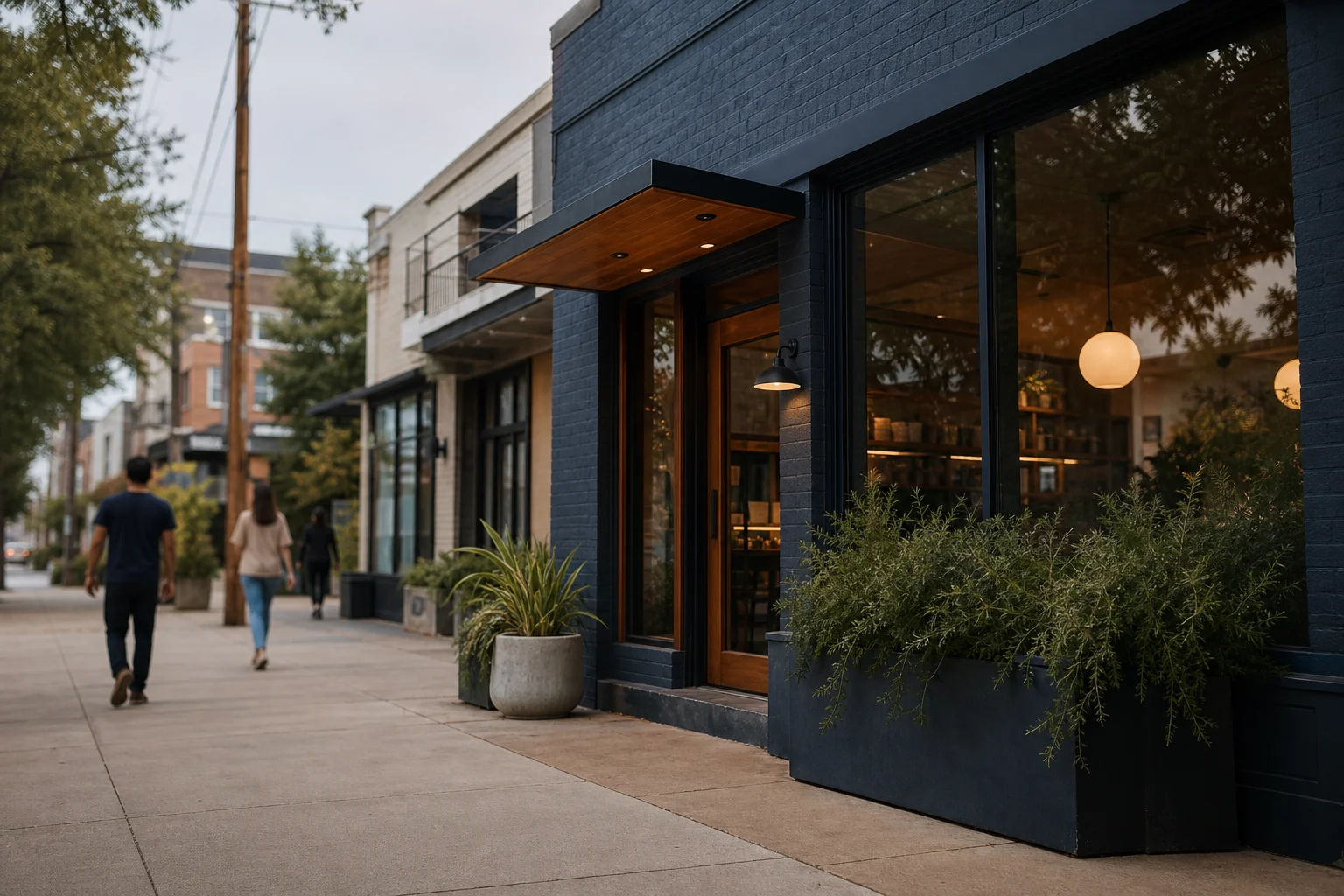
Main startup cost categories
The cost structure for opening a bakery in Phoenix includes several key components. Rent forms the foundation of your expense stack, followed by buildout costs, equipment purchases, payroll expenses, opening inventory, permits, and cash reserves. Each category requires careful consideration and validation before moving forward. The specific costs will vary based on your bakery concept, location choice, and operational approach.
Rent and lease assumptions in Phoenix
Phoenix offers relatively low rent levels compared to other major markets, which helps reduce initial overhead. Locavisor neighborhood scoring identifies three top areas for bakery startups:
Camelback Corridor (7.3/10) — Camelback Corridor ranks #1 for a reason — it's the strongest office-anchored retail corridor in Phoenix for a bakery. Biltmore Fashion Park and Camelback Colonnade anchor the strip, with coworking hubs (Lucid, Industrious, Workuity) pulling ~10,500 weekday workers within walking distance. Rent runs roughly $30-50/sqft NNN — workable for medium-budget.
Old Town Scottsdale (6.9/10) — Old Town Scottsdale is a strong #2 — high daytime population density (~10,000+ workers within 800m), good office index, and zero direct bakery competitors. Rent is more favorable at roughly $20-35/sqft NNN. The area leans tourist-adjacent with BoSa Donuts (4.2★, 982 reviews) operating 24/7 nearby — that's a donut incumbent, not a direct bakery competitor, but it proves dessert-breakfast demand.
Roosevelt Row (6.6/10) — Roosevelt Row is the arts-and-culture heart of Phoenix — walkability near ceiling, strong residential density, and a First Friday event draw that brings weekend tourist overlay. But there's a catch: Chacónne Patisserie (4.6★, 42 reviews) is already operating 142m from the centroid — a direct bakery competitor with strong ratings. Rent is moderate at roughly $30-50/sqft NNN.
The rent levels in these areas provide different cost pressures. Old Town Scottsdale offers the most favorable rent structure, while Camelback Corridor provides strong daytime traffic despite higher rent. Roosevelt Row presents a competitive challenge with an existing bakery nearby.
Buildout, equipment, payroll, opening inventory, permits, and cash reserve
Buildout costs will depend on the condition of your chosen space and your bakery concept. A takeout-first bakery requires less buildout than a full-service establishment with seating. Equipment represents a significant portion of startup costs, including ovens, mixers, display cases, and refrigeration.
Payroll expenses must be modeled carefully, considering both initial staffing needs and future growth. Opening inventory requires sufficient stock to meet demand without tying up excessive capital in perishable goods. Permits and licenses are essential legal requirements that vary by location and business type.
Cash reserves provide a buffer for unexpected expenses and slow periods. Locavisor neighborhood scoring gives a 78% confidence level in the data provided, but real-world conditions may vary. The market temperature is promising, but adequate cash reserves remain crucial for weathering challenges.

Lean vs moderate vs generous launch budgets
Bakery entrepreneurs approach startup budgets differently based on their concept and risk tolerance. A lean budget might focus on essential equipment and minimal buildout, potentially limiting initial capacity. A moderate budget allows for more comprehensive equipment and a polished customer experience. A generous budget supports premium equipment, extensive marketing, and potentially multiple locations.
The rent levels in Phoenix's top bakery areas create different budget pressures. Old Town Scottsdale's lower rent structure ($20-35/sqft NNN) allows for more flexibility in other budget categories. Camelback Corridor's higher rent ($30-50/sqft NNN) requires careful allocation of remaining resources.
What to validate before spending money
Before committing significant capital to a bakery in Phoenix, validate several key assumptions:
Lease assumptions should be thoroughly reviewed, including not only rent but also common area maintenance, property taxes, and lease terms. Buildout scope must align with your concept while staying within budget. Equipment needs should be carefully evaluated based on production requirements and efficiency.
Payroll models should reflect realistic staffing needs and wage expectations. Opening inventory requirements must balance customer demand with perishable goods management. Cash reserves should provide adequate coverage for unexpected expenses and slow periods.
Local professional review is essential. Consult with a Phoenix-based accountant, attorney, and potentially a restaurant consultant to review your plans. The market temperature is promising, but local expertise can identify Phoenix-specific challenges and opportunities.
FAQ
How much does it cost to open A Bakery in Phoenix?
The exact total cost to open a bakery in Phoenix cannot be estimated from the provided data. Startup costs vary significantly based on location choice, bakery concept, size, equipment needs, buildout requirements, and other factors. Before making financial commitments, validate your lease assumptions, buildout scope, equipment list, payroll model, opening inventory requirements, and cash reserve needs. Consider consulting with local professionals who understand Phoenix's specific market conditions and regulatory requirements.
Last reviewed: 2026-05-08
Sources: U.S. Census Bureau ACS, LEHD LODES, Google Places, OpenStreetMap, Locavisor neighborhood scoring.
Methodology: Locavisor scores neighborhoods across demand, competition fit, rent fit, accessibility, and customer match. Scores reflect a snapshot of recent data and should be combined with on-the-ground research before lease decisions.
Disclaimer: This article provides informational content only and does not constitute legal, financial, accounting, or real-estate advice. Verify lease terms, licensing, local regulations, costs, and professional requirements with qualified local professionals before making business decisions.
Free preview shows top 3 neighborhoods. Full $9.99 report covers all 10 areas with personalized scoring + 90-day check-ins.
Informational only. Verify lease, licensing, local regulations, costs, and professional requirements with qualified local professionals.