San Diego, CA · bakery
Cost to open a bakery in San Diego
Opening a bakery in San Diego requires careful planning of startup costs. The cost to open a bakery in San Diego varies significantly based on location, size, concept, and operational approach. San Diego's diverse neighborhoods offer different opportunities and challenges for bakery entrepreneurs.
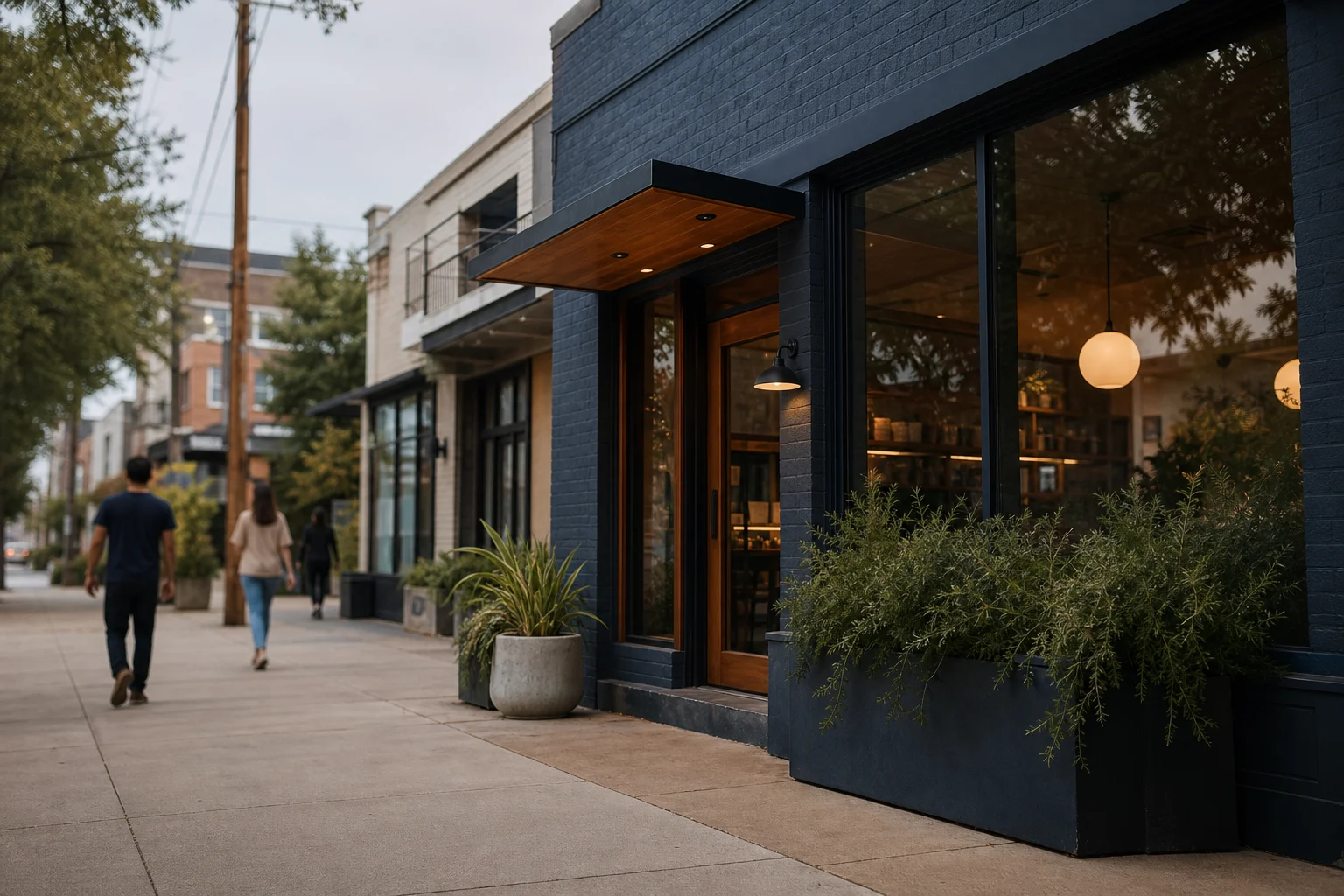
Main startup cost categories
The cost to open a bakery in San Diego falls into several key categories. Each category requires careful consideration and budget planning. Understanding these categories helps founders allocate resources effectively.
Rent represents the largest fixed cost for most bakery operations. The location you choose directly impacts your monthly expenses and potential customer traffic. San Diego offers varied neighborhood options with different rent levels and market conditions.
Buildout costs transform raw space into a functional bakery environment. This includes construction, plumbing, electrical work, and interior design. The scope of buildout depends on the condition of your chosen space and your bakery's specific requirements.
Equipment purchases represent a significant capital investment. Ovens, mixers, display cases, refrigeration, and other specialized tools form the backbone of bakery operations. Equipment quality affects both product quality and operational efficiency.
Payroll expenses include hiring and training staff for various roles. Bakeries typically need skilled bakers, counter staff, and management personnel. Labor costs vary based on experience level and local wage standards.
Opening inventory covers initial stock of ingredients, packaging, and supplies. The right inventory balance ensures smooth operations from day one without excessive upfront investment.
Permits and licensing fees ensure compliance with health, safety, and business regulations. These requirements vary by location and business type but are essential for legal operation.
Cash reserves provide a financial cushion during the initial launch period. Many businesses take time to reach profitability, making adequate reserves critical for sustainability.
Rent and lease assumptions in San Diego
San Diego offers distinct neighborhood options for bakery entrepreneurs. Locavisor neighborhood scoring identifies University City / UTC as the best fit with an overall score of 7.3/10. This area features maxed-out office and student demand from UCSD, Westfield UTC, and dense tech offices creating a massive breakfast/lunch commuter wave. Walkability is city-leading and transit access is strong. The trade-off: expect roughly $45-70/sqft NNN on a strong urban corridor, and you'll face 85°C Bakery Cafe (4.3★, 489 reviews) and Corner Bakery Cafe (4.0★, 1,097 reviews) within 300m.
Convoy Asian Cultural District ranks second with a score of 6.7/10. This designated Asian cultural district offers the best rent fit in the set at roughly $30-50/sqft NNN, with strong walkability and a proven food-culture corridor. Tous les Jours (3.9★, 89 reviews) is the only chain bakery within 800m, and it's underperforming.
Little Italy ties for second place with a score of 6.7/10. This neighborhood is San Diego's most walkable F&B corridor with maxed-out daytime population density, a Saturday farmers market, and the County Center/Little Italy trolley station. Rent is moderate at roughly $30-50/sqft NNN.
Market temperature across these areas is promising with medium competition density. Rent level is considered low compared to other major cities. The score confidence stands at 78% based on the 2026-05 snapshot data.
Buildout, equipment, payroll, opening inventory, permits, and cash reserve
Buildout costs depend heavily on the condition of your chosen space and your bakery's concept. A complete renovation from a raw shell requires significant investment, while updating an existing food service space may be less intensive. The scope should align with your brand identity and operational needs.
Equipment represents a major capital investment for bakery operations. Essential equipment includes ovens, mixers, proofers, display cases, refrigeration, and specialized tools for your product offerings. Quality equipment affects both product consistency and operational efficiency.
Payroll planning requires careful consideration of staffing needs and local wage standards. Bakeries typically need skilled bakers, counter staff, and management personnel. Labor costs represent an ongoing operational expense that must be factored into your financial model.
Opening inventory covers initial stock of ingredients, packaging, and supplies. The right inventory balance ensures smooth operations from day one without tying up excessive capital in stock. Inventory needs vary based on your product mix and sales projections.
Permits and licensing requirements ensure compliance with health, safety, and business regulations. These requirements vary by location and business type but are essential for legal operation. Local health departments typically have specific requirements for food establishments.
Cash reserves provide a financial cushion during the initial launch period. Many businesses take time to reach profitability, making adequate reserves critical for sustainability. The amount needed depends on your specific business model and market conditions.

Lean vs moderate vs generous launch budgets
Founders approach bakery launches with different budget philosophies. A lean launch minimizes upfront investment while focusing on core offerings and efficient operations. This approach reduces financial risk but may limit initial market impact.
A moderate launch balances investment with practical constraints. This approach allows for quality equipment, adequate staffing, and a well-designed space without excessive overhead. Many successful bakeries follow this middle path.
A generous launch maximizes investment in premium equipment, prime locations, and extensive marketing. This approach aims for immediate market presence and brand recognition but carries higher financial risk. The right approach depends on your specific business concept and financial resources.
What to validate before spending money
Before committing significant resources, validate your lease assumptions. Confirm the actual rent per square foot, lease terms, and additional costs like common area maintenance and property taxes. Ensure the space meets your operational needs and local zoning requirements.
Validate your buildout scope with professional contractors. Get detailed quotes for construction, plumbing, electrical work, and interior design. Consider phased buildout to manage cash flow while ensuring essential elements are ready for launch.
Validate your equipment list with industry professionals. Consult with experienced bakers and equipment suppliers to determine the right mix of equipment for your specific products. Consider both initial needs and future expansion possibilities.
Validate your payroll model with local labor market data. Research wage standards for different positions and consider staffing needs based on projected sales. Factor in training time and potential turnover in your budget.
Validate your opening inventory requirements with suppliers and industry benchmarks. Determine optimal stock levels for different product categories while minimizing waste. Consider just-in-time inventory strategies where appropriate.
Validate your cash reserve needs with financial advisors. Determine an adequate cushion based on your specific business model and market conditions. Consider potential delays in reaching profitability.
Validate your compliance requirements with local authorities. Research health department regulations, business licensing requirements, and any special permits needed for your specific operations.
FAQ
How much does it cost to open A Bakery in San Diego?
The exact total cost to open a bakery in San Diego cannot be estimated from the provided data. Startup costs vary significantly based on location, size, concept, and operational approach. Key variables to validate include lease terms and rent per square foot, buildout scope and construction costs, equipment needs and quality standards, staffing requirements and wage levels, inventory needs and supplier terms, permit and licensing fees, and adequate cash reserves for the initial launch period. Each bakery's unique circumstances require personalized financial planning and professional consultation.
Last reviewed: 2026-05-08
Sources: U.S. Census Bureau ACS, LEHD LODES, Google Places, OpenStreetMap, Locavisor neighborhood scoring.
Methodology: Locavisor scores neighborhoods across demand, competition fit, rent fit, accessibility, and customer match. Scores reflect a snapshot of recent data and should be combined with on-the-ground research before lease decisions.
Disclaimer: This article provides informational content only and does not constitute legal, financial, accounting, or real-estate advice. Verify lease terms, licensing, local regulations, costs, and professional requirements with qualified local professionals before making business decisions.
Free preview shows top 3 neighborhoods. Full $9.99 report covers all 10 areas with personalized scoring + 90-day check-ins.
Informational only. Verify lease, licensing, local regulations, costs, and professional requirements with qualified local professionals.