Atlanta, GA · barber shop
Cost to open a barber shop in Atlanta
Opening a barber shop in Atlanta requires careful planning of startup costs. The cost to open a barber shop in Atlanta varies significantly based on location, buildout requirements, equipment needs, and other factors. This guide breaks down the practical startup-cost stack for a barber shop in Atlanta, helping founders understand what to budget for and what to validate before spending money.
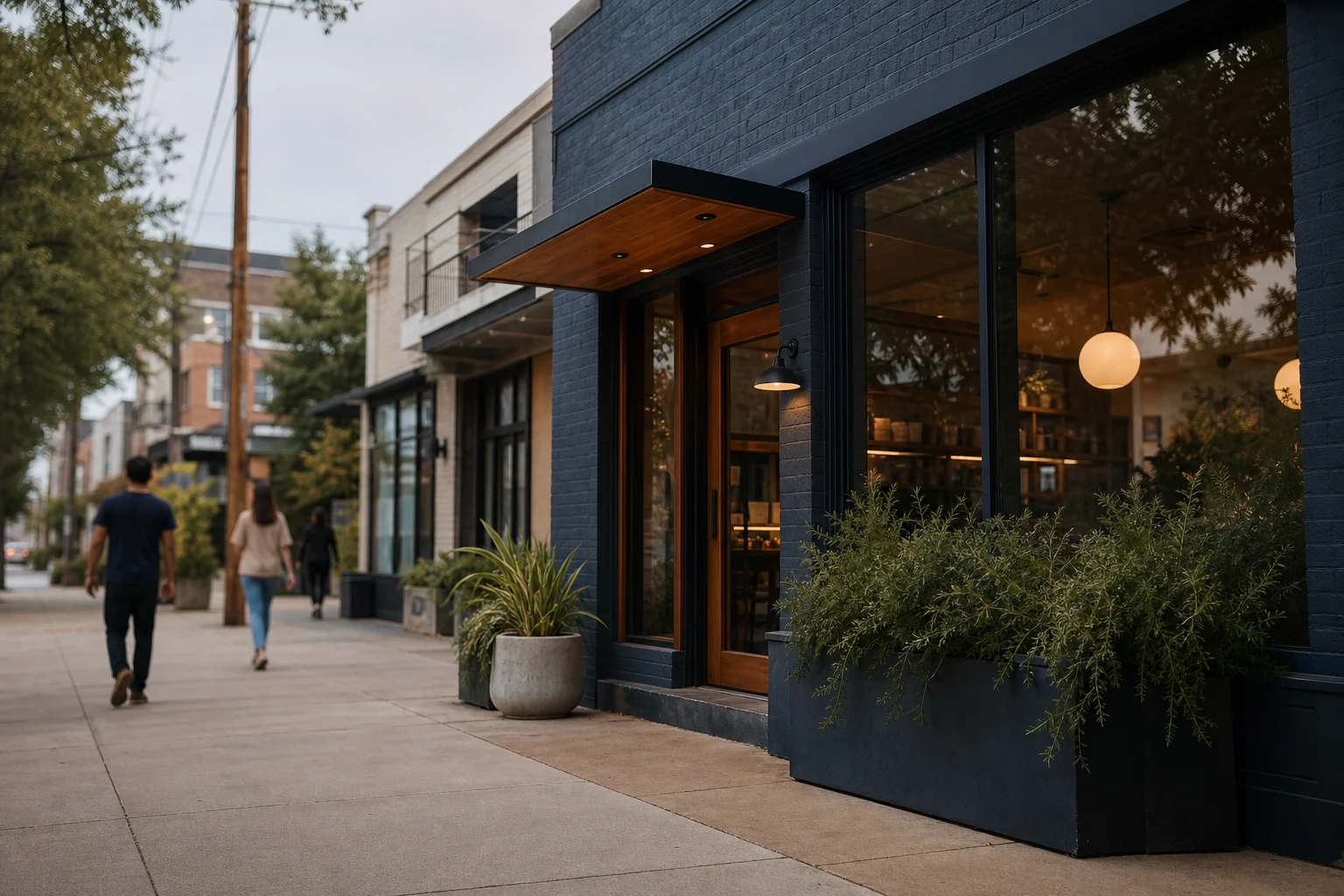
Main startup cost categories
Starting a barber shop involves several major cost categories. Each requires careful consideration and planning. Rent typically represents the largest fixed expense. Buildout costs transform raw space into a functioning barber shop. Equipment includes chairs, mirrors, clippers, and other tools. Permits and licenses ensure legal operation. Hiring covers initial staffing needs. Launch cash supports the business until it becomes profitable.
Understanding these categories helps founders create realistic budgets. Each category has variables that impact total costs. Location affects rent and buildout requirements. Business model influences equipment needs and staffing levels. Market conditions impact pricing strategies and revenue projections.
Rent and lease assumptions in Atlanta
Atlanta offers several neighborhoods for barber shop locations. Locavisor neighborhood scoring identifies Smyrna / Vinings as the best area with a score of 6.6/10. This area leads thanks to maxed-out office density and strong daytime worker traffic around Cumberland Mall and The Battery. Expect roughly $45-70/sqft NNN — a strong urban corridor price that matches the medium-budget tier's upper tolerance.
Sandy Springs ranks second with a score of 6.3/10. This area has strong office density and an upscale residential base along Roswell Rd. Expect roughly $65-95/sqft NNN — premium corridor pricing that strains the medium budget. The area already has Clip Culture Barbershop (4.7★, 546 reviews) and Vintage Barbershop (4.7★, 469 reviews) within 800m, so competition is real but demand is proven.
Roswell ranks third with a score of 5.9/10. The area has strong customerMatch (7.0) and competitionFit (10) scores, but accessibility is near-zero — walkability, parking, and transit are all very low. Expect roughly $45-70/sqft NNN. The single competitor, Al's Barber Shop (4.4★, 38 reviews), suggests limited competition but also limited demand density.
Market temperature in Atlanta is mixed. Competition density is medium. Rent level is medium-high. These factors create a challenging but potentially rewarding environment for new barber shops.
Buildout, equipment, payroll, opening inventory, permits, and cash reserve
Buildout costs depend on the condition of the leased space. A raw space requires more investment than a previously retail location. Plumbing for barber chairs represents a significant expense. Electrical systems must accommodate multiple stations and equipment. Flooring, lighting, and decor create the customer experience. Buildout scope directly impacts initial investment.
Equipment represents another major cost category. Barber chairs range from basic to premium models. Mirrors must be strategically placed for optimal visibility. Clippers, trimmers, and other tools require quality investment. Reception furniture and waiting area seating complete the customer experience. Equipment quality affects both customer satisfaction and operational efficiency.
Payroll costs include barber salaries and benefits. Atlanta's labor market influences compensation expectations. Part-time versus full-time staffing models impact payroll expenses. Commission structures affect cash flow projections. Payroll represents ongoing operational costs that must be factored into startup planning.
Opening inventory includes products for retail and use. Shampoos, conditioners, and styling products have minimum order requirements. Towels, capes, and other consumables need initial stock. Inventory levels affect both customer experience and cash flow. Product selection should align with the target customer base.
Permits and licenses ensure legal operation. Georgia requires barber shop licenses. Atlanta has additional local requirements. Health department inspections verify sanitation standards. Building permits may be needed for modifications. Compliance with regulations prevents costly fines and closures.
Cash reserve covers expenses before the business becomes profitable. Launch marketing attracts initial customers. Utility payments continue during early operations. Unexpected expenses often arise during startup. A robust cash reserve provides security during the critical early months.

Lean vs moderate vs generous launch budgets
Founders approach barber shop startups with different budget philosophies. A lean budget minimizes initial investment. This approach might involve used equipment and basic buildout. It reduces financial risk but may limit growth potential. A lean strategy works well in areas with lower rent levels like Roswell.
A moderate budget balances investment and risk. This approach typically includes new equipment and quality buildout. It targets the middle ground between affordability and quality. Smyrna / Vinings' medium-high rent level aligns with a moderate budget approach.
A generous budget maximizes initial investment. This approach includes premium equipment, extensive buildout, and comprehensive marketing. It positions the business for rapid growth but requires significant capital. Sandy Springs' premium rent levels ($65-95/sqft NNN) suggest a generous budget might be necessary to compete effectively.
Budget approach should align with location characteristics. Market temperature and competition density influence strategy. A mixed market temperature creates opportunities for strategic positioning. Medium competition density allows for differentiation through quality and service.
What to validate before spending money
Before committing funds, founders should validate key assumptions. Lease terms significantly impact long-term financial health. Negotiate favorable terms that include renewal options and rent caps. Verify that the space meets zoning requirements for barber shops. Confirm parking availability and accessibility for customers.
Buildout scope should match business objectives. Obtain multiple quotes for construction and renovation. Verify that contractors understand barber shop requirements. Plan for potential construction delays and budget accordingly.
Equipment needs must align with service offerings. Research quality suppliers and compare prices. Consider financing options for major equipment purchases. Verify warranty terms and service availability for critical tools.
Payroll model should reflect realistic customer demand. Study local market rates for barber services. Consider commission versus salary structures. Plan for seasonal fluctuations in customer traffic.
Opening inventory levels should support initial operations. Research product demand in the target area. Consider consignment options for retail products. Plan for inventory replenishment cycles.
Permit requirements must be thoroughly understood. Contact local authorities for specific requirements. Factor in inspection timelines and potential delays. Budget for permit fees and compliance costs.
Cash reserve should cover at least six months of operating expenses. Create detailed financial projections. Include contingency funds for unexpected expenses. Monitor cash flow closely during the initial launch phase.
FAQ
How much does it cost to open A Barber Shop in Atlanta?
The exact total cost to open a barber shop in Atlanta cannot be estimated from the provided data. Startup costs vary significantly based on location, buildout requirements, equipment needs, and other factors. Founders should validate specific variables before creating a budget. Key factors to consider include lease terms in the chosen neighborhood, buildout scope, equipment quality, staffing model, inventory requirements, permit costs, and cash reserve needs. Each of these factors can substantially impact the total investment required for a successful barber shop launch in Atlanta.
Last reviewed: 2026-05-08
Sources: U.S. Census Bureau ACS, LEHD LODES, Google Places, OpenStreetMap, Locavisor neighborhood scoring.
Methodology: Locavisor scores neighborhoods across demand, competition fit, rent fit, accessibility, and customer match. Scores reflect a snapshot of recent data and should be combined with on-the-ground research before lease decisions.
Disclaimer: This article provides informational content only and does not constitute legal, financial, accounting, or real-estate advice. Verify lease terms, licensing, local regulations, costs, and professional requirements with qualified local professionals before making business decisions.
Free preview shows top 3 neighborhoods. Full $9.99 report covers all 10 areas with personalized scoring + 90-day check-ins.
Informational only. Verify lease, licensing, local regulations, costs, and professional requirements with qualified local professionals.