Austin, TX · barber shop
Cost to open a barber shop in Austin
Opening a barber shop in Austin requires careful planning of startup costs across multiple categories. The cost to open a barber shop in Austin varies significantly based on location, buildout quality, equipment needs, and operational requirements. Austin's competitive market and medium-high rent levels create specific cost pressures that founders must navigate.
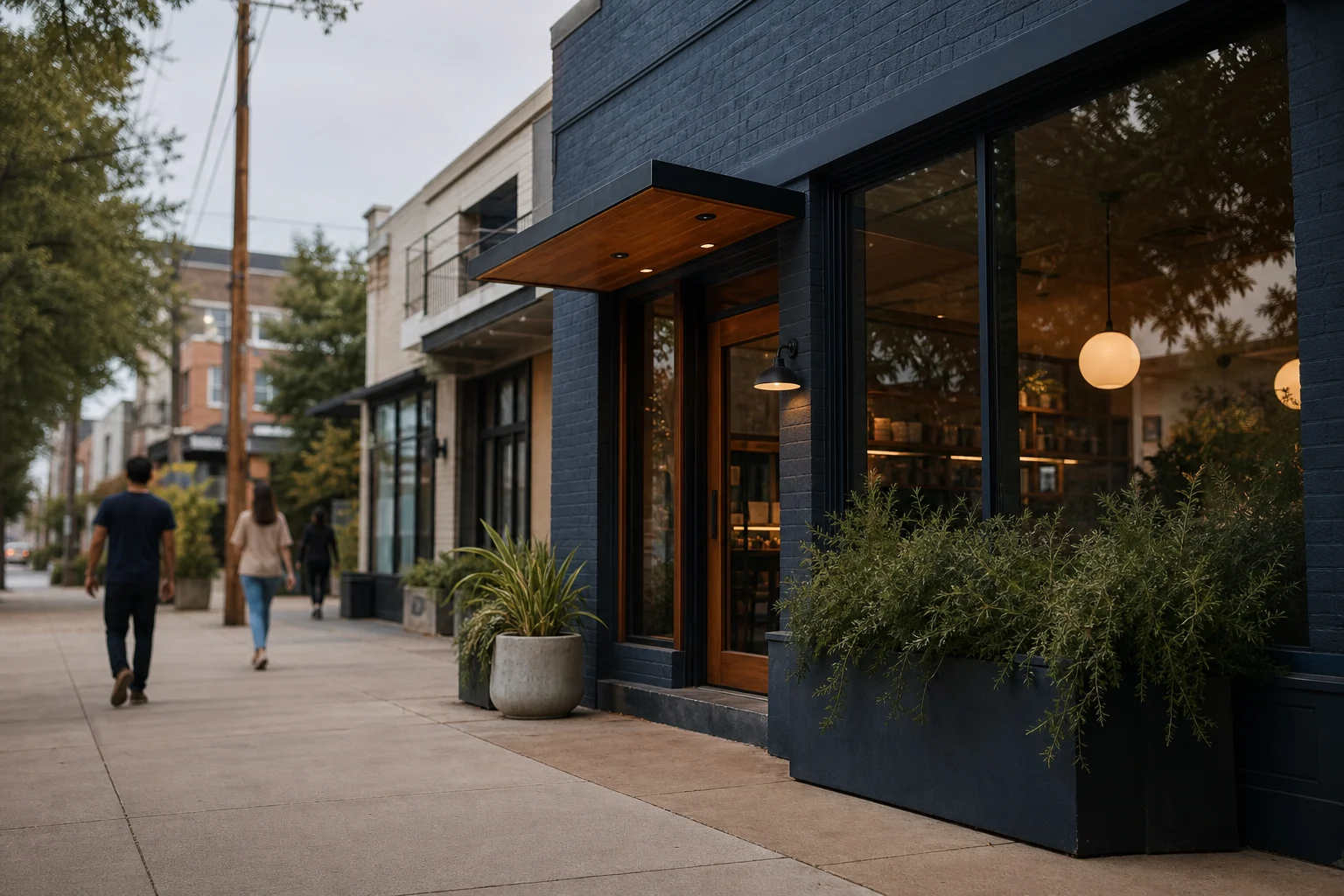
Main startup cost categories
The cost to open a barber shop in Austin falls into several key categories. Rent represents the largest fixed expense, followed by buildout and equipment costs. Payroll for licensed barbers and support staff forms another major expense category. Opening inventory of products, permits and licensing fees, and cash reserves for the initial operating period complete the essential startup cost stack. Each category requires careful validation before committing capital.
Rent and lease assumptions in Austin
Austin's rent level is medium-high, creating significant pressure on startup budgets. The Domain / North Austin area commands premium rates with established competition including Floyd's 99 Barbershop (4.4★, 911 reviews), Birds Barbershop (4.4★, 559 reviews), and 3 Kings Barbershop (4.5★, 76 reviews). South Lamar presents similar cost pressures with rent roughly $55-80/sqft NNN, reflecting the area's desirability. Crestview / Brentwood offers slightly more moderate rent levels while maintaining solid residential density and transit access via Crestview Station light-rail.
Market temperature in Austin is mixed, with medium competition density across all three top areas. Founders should validate lease assumptions thoroughly, considering not just the base rent but also common area maintenance (CAM) charges, property taxes, insurance, and potential percentage rent clauses. The 82% score confidence in Locavisor neighborhood scoring suggests reliable data for rent comparisons, but actual lease negotiations may reveal different terms.
Buildout, equipment, payroll, opening inventory, permits, and cash reserve
Buildout costs depend heavily on the condition of the space and the desired aesthetic. Austin's competitive market demands a distinctive atmosphere that justifies premium pricing. Equipment represents a significant upfront investment in quality barber chairs, mirrors, stations, clippers, trimmers, and wash stations. Payroll must account for licensed barbers with varying commission structures or salaries, plus support staff for reception and cleaning.
Opening inventory includes hair products, towels, capes, and retail items that create additional revenue streams. Permits and licensing in Austin require specific barber shop licenses, health department approvals, and potentially alcohol permits if offering beverages. Cash reserves should cover at least three months of operating expenses before reaching break-even, though exact timelines vary significantly based on location, pricing strategy, and marketing effectiveness.

Lean vs moderate vs generous launch budgets
A lean launch budget focuses on essential equipment and minimal buildout, potentially using existing space with cosmetic updates. This approach reduces upfront costs but may limit the shop's ability to command premium pricing. A moderate budget allows for quality equipment, professional buildout, and a distinctive aesthetic that attracts the target clientele. A generous budget enables premium finishes, extensive marketing, and potentially multiple revenue streams like product sales or additional services.
Austin's mixed market temperature suggests that moderate budgets may offer the best balance of investment and return. The medium competition density across all three top areas indicates that differentiation is key to success. Founders should consider their target market's expectations and willingness to pay when determining appropriate budget levels for each category.
What to validate before spending money
Before committing significant capital, validate lease assumptions thoroughly. Confirm square footage measurements, zoning regulations for barber shops, and buildout requirements with the property owner. Research competitor pricing and service models in your chosen area to inform your own pricing strategy. Validate equipment needs by consulting with experienced barbers and suppliers to avoid over-investing in unnecessary tools.
Validate payroll models by researching commission structures in Austin barber shops and calculating realistic revenue projections per chair. Validate opening inventory requirements by analyzing product usage patterns and potential retail margins. Validate permit requirements by consulting with the City of Austin and understanding the full timeline and costs involved. Finally, validate cash reserve needs by creating detailed financial projections that account for slow periods and unexpected expenses.
FAQ
How much does it cost to open A Barber Shop in Austin?
The exact total cost to open a barber shop in Austin cannot be estimated from the provided data. Startup costs vary significantly based on location within Austin, the size and condition of the space, buildout requirements, equipment quality, inventory needs, permit fees, and payroll models. Founders should validate specific costs for their unique circumstances, considering the medium-high rent levels, mixed market temperature, and medium competition density across Austin's top barber shop locations.
Last reviewed: 2026-05-08
Sources: U.S. Census Bureau ACS, LEHD LODES, Google Places, OpenStreetMap, Locavisor neighborhood scoring.
Methodology: Locavisor scores neighborhoods across demand, competition fit, rent fit, accessibility, and customer match. Scores reflect a snapshot of recent data and should be combined with on-the-ground research before lease decisions.
Disclaimer: This article provides informational content only and does not constitute legal, financial, accounting, or real-estate advice. Verify lease terms, licensing, local regulations, costs, and professional requirements with qualified local professionals before making business decisions.
Free preview shows top 3 neighborhoods. Full $9.99 report covers all 10 areas with personalized scoring + 90-day check-ins.
Informational only. Verify lease, licensing, local regulations, costs, and professional requirements with qualified local professionals.