Columbus, OH · barber shop
Cost to open a barber shop in Columbus
Opening a barber shop in Columbus requires careful planning and understanding of the local market dynamics. The cost to open a barber shop in Columbus varies significantly based on location, size, and business model. This guide breaks down the practical startup-cost stack for Columbus entrepreneurs looking to enter the barber industry.
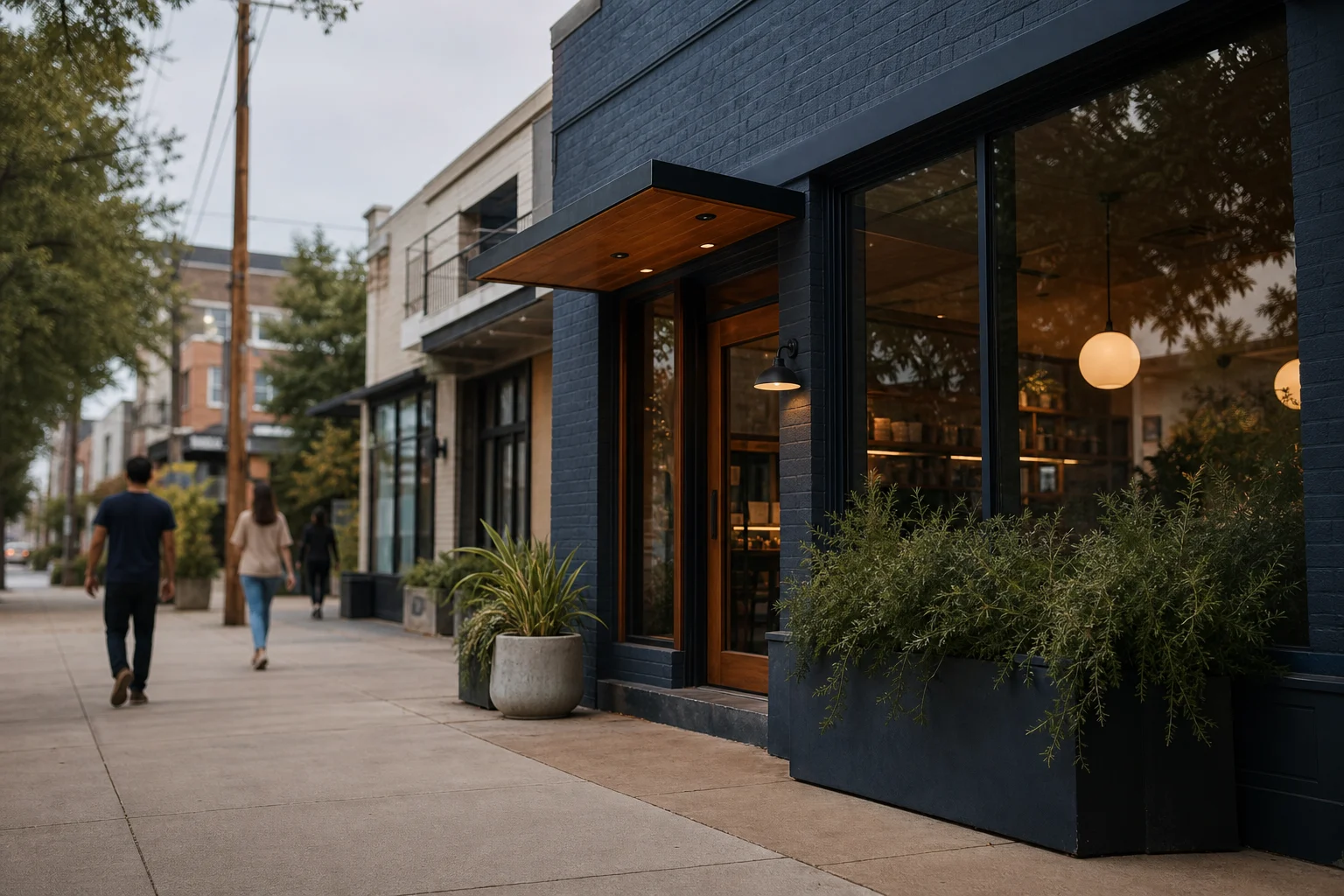
Main startup cost categories
When planning your barber shop startup, several cost categories require consideration. Rent typically represents your largest fixed expense, followed by buildout and equipment costs. Payroll for licensed barbers and support staff forms another significant portion of your startup budget. Opening inventory of products, permits and licensing fees, and maintaining adequate cash reserves round out the essential cost categories. Each category carries its own variables and considerations specific to Columbus's market conditions.
Rent and lease assumptions in Columbus
Columbus presents varied rental opportunities across different neighborhoods. Locavisor neighborhood scoring identifies three top areas for barber shop startups:
Easton (7.4/10) — Easton Town Center anchors a master-planned retail corridor with maxed-out office density and strong lunch-daypart traffic. No direct barber competitors found in the immediate Google Places radius — a clear gap. Rent runs roughly $45-70/sqft NNN, which is workable for a medium-budget operator targeting office-worker and young-professional repeat clients.
Polaris (6.3/10) — Polaris is a suburban office-and-retail hub anchored by Polaris Fashion Place and a cluster of corporate offices including JPMorgan Chase's McCoy Center. Office density is near ceiling, and the lone barber competitor — AJ's Man Cave Barbershop (4.9★, 363 reviews) — proves demand exists but also sets a high bar.
Discovery District (6.2/10) — Discovery District sits at the cultural and institutional core of downtown Columbus — steps from Topiary Park, Columbus Commons, Franklin University, CCAD, and Columbus State. Walkability is city-leading, transit access is strong, and daytime population density is near ceiling.
Columbus's rent level is medium-high, with competition density rated as medium. The market temperature is mixed, suggesting varied opportunities depending on your specific business model and target clientele. When evaluating lease options, consider not just the monthly rent but also the triple net (NNN) costs, which typically cover property taxes, insurance, and maintenance. Easton's rent range of $45-70/sqft NNN provides a reference point, though actual costs may vary based on specific location within the area and lease terms.
Buildout, equipment, payroll, opening inventory, permits, and cash reserve
Buildout costs depend heavily on the condition of your space and your desired aesthetic. A turnkey space may require minimal investment, while a raw shell could require significant construction. Equipment represents another major expense, including barber chairs, mirrors, wash stations, clippers, dryers, and styling tools. Payroll considerations extend beyond just barber wages to include receptionists, shampoo assistants, and potentially booth rental arrangements if you're operating a rental model.
Opening inventory includes hair products, styling tools, retail items, and supplies. Permits and licensing requirements in Columbus include state barber board licensing, business registration, and potentially health department certifications. Maintaining adequate cash reserves is crucial for covering expenses during the ramp-up period before reaching steady-state revenue.

Lean vs moderate vs generous launch budgets
Your approach to budgeting will significantly impact your startup costs. A lean budget might involve leasing a smaller space, purchasing used equipment, and handling much of the work yourself. A moderate budget allows for better quality equipment, a more comfortable space, and possibly some hired help. A generous budget enables premium locations, high-end equipment, professional buildout, and a full team from day one.
Easton's medium-high rent level suggests that a lean approach might be more feasible in this area, while Discovery District's walkability and transit access might justify a moderate investment depending on your target market. Polaris's existing competitor with 363 reviews indicates that meeting or exceeding their service level might require a moderate to generous budget.
What to validate before spending money
Before committing significant funds to your barber shop startup, validate several key assumptions:
Lease assumptions: Verify foot traffic patterns during your target hours. Confirm that the landlord's NNN estimates align with actual expenses. Ensure the space can accommodate your layout requirements and any necessary modifications.
Buildout scope: Get multiple contractor bids for your specific buildout needs. Confirm that any planned modifications meet Columbus's building codes and zoning requirements.
Equipment list: Research equipment reliability and warranty options. Consider whether leasing equipment might provide better cash flow than purchasing outright.
Payroll model: Verify Ohio's licensing requirements for barbers and any support staff. Research typical commission structures in Columbus's market.
Opening inventory: Determine optimal inventory levels based on expected demand. Research product margins and potential for retail sales.
Cash reserve: Calculate your burn rate based on fixed and variable expenses. Determine how many months of operating expenses you need in reserve.
Local professional review: Consult with Columbus barbershop owners or industry professionals who understand local market dynamics.
FAQ
How much does it cost to open A Barber Shop in Columbus?
The exact total cost to open a barber shop in Columbus cannot be estimated from the provided data. Startup costs vary significantly based on location within Columbus, space size, equipment quality, buildout requirements, and business model. Easton's rent runs roughly $45-70/sqft NNN, providing one reference point, but actual costs depend on numerous factors specific to your situation. Before committing funds, validate your lease assumptions, buildout scope, equipment needs, payroll requirements, inventory needs, and cash reserve requirements based on your specific business plan and Columbus market conditions.
Last reviewed: 2026-05-08
Sources: U.S. Census Bureau ACS, LEHD LODES, Google Places, OpenStreetMap, Locavisor neighborhood scoring.
Methodology: Locavisor scores neighborhoods across demand, competition fit, rent fit, accessibility, and customer match. Scores reflect a snapshot of recent data and should be combined with on-the-ground research before lease decisions.
Disclaimer: This article provides informational content only and does not constitute legal, financial, accounting, or real-estate advice. Verify lease terms, licensing, local regulations, costs, and professional requirements with qualified local professionals before making business decisions.
Free preview shows top 3 neighborhoods. Full $9.99 report covers all 10 areas with personalized scoring + 90-day check-ins.
Informational only. Verify lease, licensing, local regulations, costs, and professional requirements with qualified local professionals.