Denver, CO · barber shop
Cost to open a barber shop in Denver
Opening a barber shop in Denver presents unique cost considerations shaped by the city's competitive market and specific neighborhood dynamics. Denver's strong local economy, high foot traffic areas, and established barber culture mean startup costs reflect both opportunity and investment. The city's rental market varies significantly by neighborhood, with premium locations commanding higher rates but potentially offering greater customer volume.
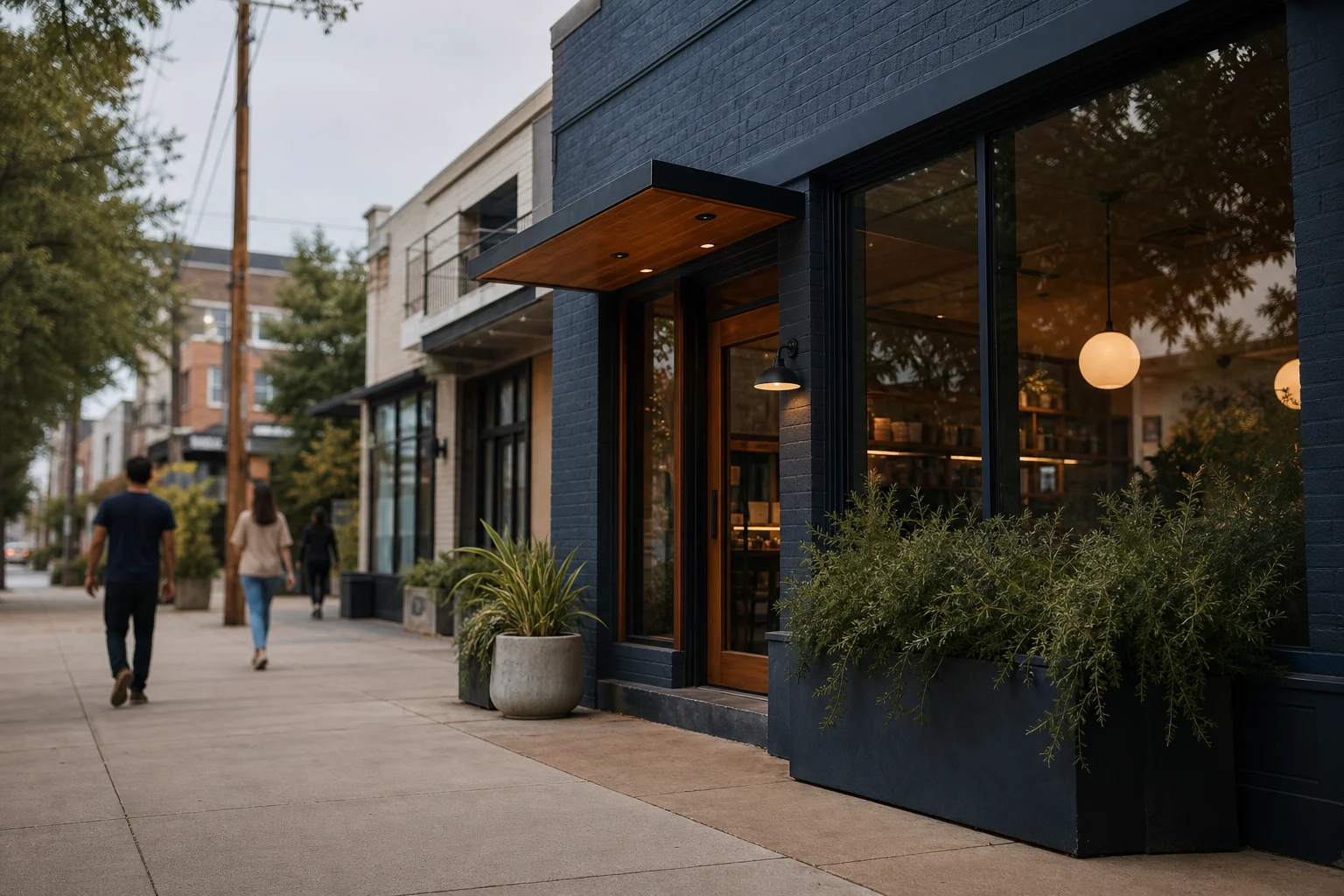
What does it cost to open a barber shop in Denver?
The cost to open a barber shop in Denver depends heavily on location, size, and the specific business model you choose. Denver's market features distinct neighborhoods with varying rental rates and customer demographics. For example, prime downtown areas like LoDo command premium rents of $48/sqft/yr NNN, while other neighborhoods offer more affordable options in the $26-$75/sqft/yr NNN range. The city's established barber culture, with popular shops like Speakeasy barber lounge, Floyd's 99 Barbershop, and Frank's Barber Shop already thriving, means new entrants must consider both startup expenses and the competitive landscape.
Major cost categories
Lease deposit and first/last month
Your lease deposit and first/last month's rent represent one of the largest upfront costs when opening a barber shop in Denver. Denver's commercial real estate market, particularly in desirable neighborhoods, often requires significant security deposits and upfront payments. In prime locations like LoDo (Lower Downtown) with its $48/sqft/yr NNN rent band, you can expect substantial initial cash outlay for lease-related expenses. The deposit amount typically ranges from one to three months' rent, depending on the landlord and your creditworthiness. Additionally, many Denver landlords require the first and last month's rent paid before occupancy, adding to your upfront capital needs.
Tenant improvements and buildout
Tenant improvements and buildout costs vary dramatically based on the condition of the space you lease. Denver's commercial spaces, especially in historic neighborhoods like Five Points or RiNo, may require significant renovations to meet barber shop specifications. These improvements include plumbing for wash stations, electrical work for lighting and equipment, flooring suitable for a wet environment, and custom cabinetry. The buildout scope depends on whether you're starting from a raw shell or an existing retail space. In Denver's competitive market, landlords may offer tenant improvement allowances, but these are often negotiable and depend on your lease terms and the length of your commitment.
Equipment and furniture
Barber shop equipment represents a substantial investment that directly impacts both your service quality and customer experience. Essential equipment includes barber chairs, stations, mirrors, shampoo sinks, dryers, clippers, and styling tools. Denver's established barber culture means customers expect professional-grade equipment and a comfortable environment. The specific equipment needs depend on your shop's concept-whether you're offering traditional cuts, specialty services, or a lounge atmosphere. Furniture choices, from waiting area seating to retail displays, also contribute to your overall aesthetic and customer comfort.
Licenses, permits, and insurance
Operating legally in Denver requires several licenses, permits, and insurance coverage. You'll need a business license from the City and County of Denver, as well as specific permits for health and safety compliance. Barber-specific licenses may be required from the Colorado Department of Regulatory Agencies. Insurance is non-negotiable and should include general liability, property insurance, and workers' compensation if you have employees. The costs for these items vary but represent necessary expenses for legal operation in Denver.
Initial inventory or supplies
Your initial inventory of supplies-hair products, styling tools, disposable items, and retail products-requires careful budgeting. Denver's barber shops often differentiate themselves through product selection, so investing in quality inventory can be a competitive advantage. Consider the specific needs of your target demographic and whether you'll offer retail products. Inventory costs can add up quickly, especially when stocking multiple product lines or specialty items.
Pre-opening payroll and training
Before opening, you'll need to budget for pre-opening payroll and training. This includes compensating yourself and any staff during setup, training, and preparation. Denver's competitive labor market means you'll need to offer competitive wages to attract skilled barbers. Training costs may include certification programs or specialized education, particularly if you're offering advanced services. The time required for training and setup should be factored into your cash flow planning.
Working capital reserve
A working capital reserve is critical for covering operational expenses during the early months when revenue may be inconsistent. Denver's seasonal variations and competitive market mean you should plan for at least three to six months of operating expenses in reserve. This reserve helps cover rent, utilities, payroll, and other costs while you build your customer base and establish consistent revenue streams.
How Denver compares to other CO markets
Denver's startup costs for barber shops differ significantly from other Colorado markets. Compared to smaller cities like Fort Collins or Boulder, Denver's commercial rents are generally higher, especially in prime locations. However, Denver's larger population and higher foot traffic can justify the increased rental costs through greater customer potential. The city's diverse neighborhoods, from the trendy RiNo district to the established Cherry Creek area, offer various price points and customer demographics. Understanding these differences helps you position your business and budget appropriately for the specific market you're targeting.
What competition looks like in the top areas
Denver's top neighborhoods for barber shops feature established competition and distinct customer bases. In LoDo (Lower Downtown), you'll find popular shops like Speakeasy barber lounge, Floyd's 99 Barbershop, and Frank's Barber Shop already thriving. This area's $48/sqft/yr NNN rent band reflects its prime location near Union Station and major office buildings. RiNo (River North Art District), with the same $48/sqft/yr NNN rent band, offers a more artistic vibe with shops like Steel + Lather Barber Co. Five Points presents a middle ground with rent bands of $26-$75/sqft/yr NNN and established businesses like Stan's Downtown Barbers. Cherry Creek, with its $75/sqft/yr NNN rent band, caters to a more affluent demographic, while Baker offers more affordable options in the $26-$75/sqft/yr NNN range. Understanding the competitive landscape in each neighborhood helps you identify opportunities and differentiate your offering.
Neighborhood Comparison: Denver's Top Barber Shop Locations
| Neighborhood | Overall Score | Rent Band (NNN) | Key Features | Competition Density |
|---|
This table helps you evaluate the trade-offs between location quality, rental costs, and competitive intensity when choosing where to open your barber shop in Denver.
Common cost overrun patterns
Several common cost overruns can impact your barber shop startup budget in Denver. Underestimating buildout costs is a frequent issue, especially in older buildings that may require unexpected repairs or upgrades. Equipment costs often exceed initial estimates, particularly when investing in professional-grade tools. Inventory creep-stocking more products than needed-can tie up capital unnecessarily. Additionally, Denver's permitting process may have unexpected fees or requirements that extend timelines and increase costs. Many founders also overlook the time required for staff training and the associated payroll expenses during the pre-opening phase.
How to validate your number before committing capital
Validating your cost assumptions is crucial before committing significant capital to your Denver barber shop. Research comparable spaces in your target neighborhood to understand realistic rental rates and lease terms. Obtain multiple quotes for buildout and equipment to ensure your estimates are accurate. Consult with local barbers or industry professionals who understand Denver's market dynamics. Create detailed cash flow projections that account for seasonal variations and the time needed to build a customer base. Consider working with a Denver-based business advisor or accountant familiar with local regulations and costs. Finally, build in a contingency buffer of 15-20% to cover unexpected expenses that commonly arise during startup.

FAQ
Q: What are the most affordable neighborhoods in Denver to open a barber shop?
A: Denver's most affordable neighborhoods for barber shops include Five Points and Baker, with rent bands ranging from $26-$75/sqft/yr NNN. These areas offer lower overhead costs while still providing access to customer traffic and community engagement opportunities.
Q: How does Denver's barber shop market differ from other cities?
A: Denver's barber shop market is characterized by strong local culture, diverse neighborhoods, and a competitive landscape. The city's mix of downtown professionals, artistic communities, and established neighborhoods creates varied customer bases and pricing expectations.
Q: What permits are required to open a barber shop in Denver?
A: Opening a barber shop in Denver requires a business license from the City and County of Denver, health department permits, and potentially specialized barber licenses from the Colorado Department of Regulatory Agencies. Insurance coverage including general liability and workers' compensation is also mandatory.
Last reviewed: 2026-05-30
Sources: U.S. Census Bureau ACS, LEHD LODES, Google Places, OpenStreetMap, Locavisor neighborhood scoring.
Methodology: Locavisor scores neighborhoods across demand, competition fit, rent fit, accessibility, and customer match. Scores reflect a snapshot of recent data and should be combined with on-the-ground research before lease decisions.
Disclaimer: This article provides informational content only and does not constitute legal, financial, accounting, or real-estate advice. Verify lease terms, licensing, local regulations, costs, and professional requirements with qualified local professionals before making business decisions.
Free preview shows top 3 neighborhoods. Full $9.99 report covers all 10 areas with personalized scoring + 90-day check-ins.
Informational only. Verify lease, licensing, local regulations, costs, and professional requirements with qualified local professionals.