Detroit, MI · barber shop
Cost to open a barber shop in Detroit
Opening a barber shop in Detroit presents a unique opportunity in a city with a rich history of grooming culture and a growing entrepreneurial ecosystem. The cost structure for a new barber shop depends heavily on location, size, and the specific services offered. Detroit's commercial real estate market, particularly in prime neighborhoods, creates significant cost considerations that every founder must evaluate carefully. The city's diverse neighborhoods offer different advantages and price points, making location selection a critical factor in your overall cost planning.
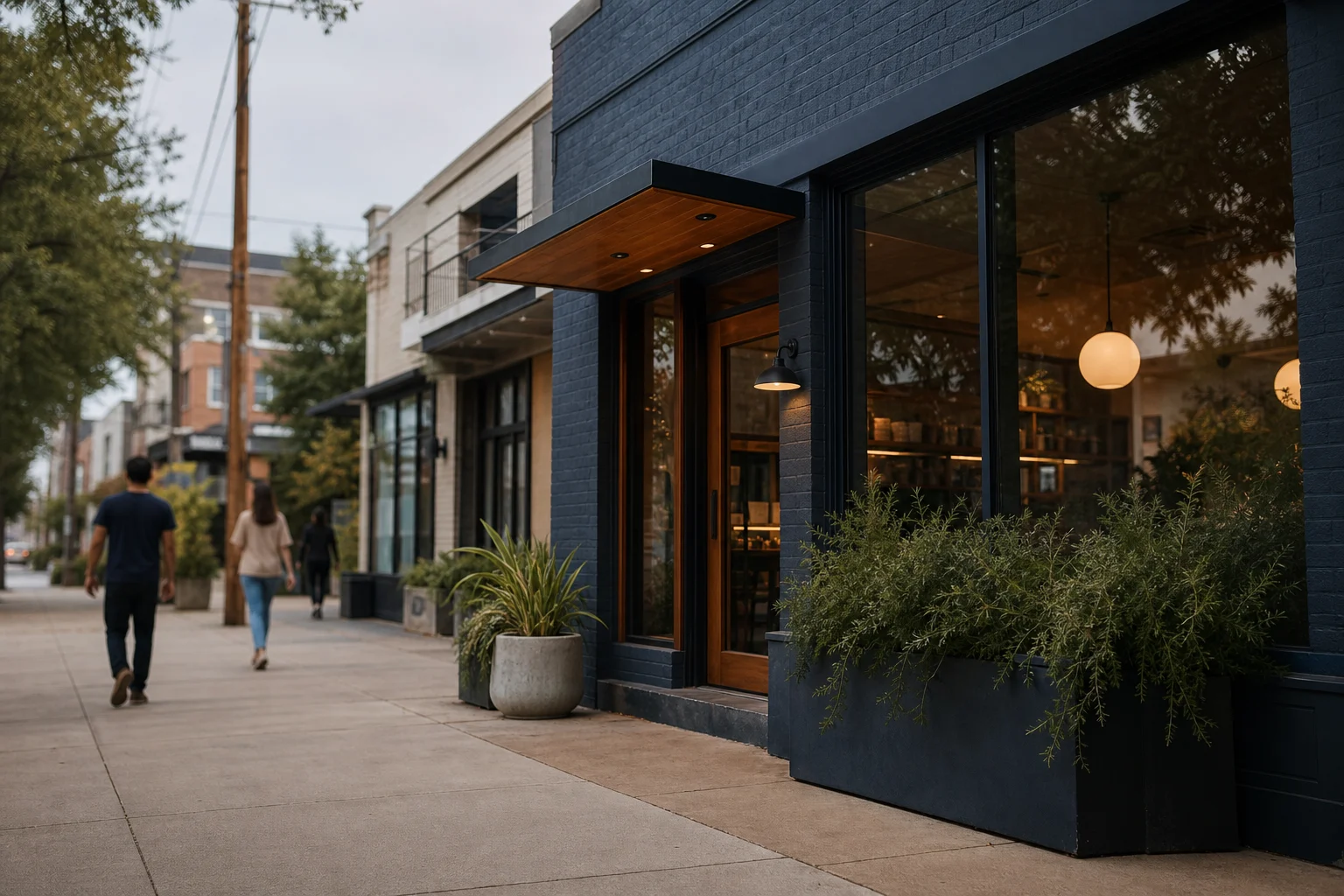
What does it cost to open a barber shop in Detroit?
The cost to open a barber shop in Detroit varies widely based on several key factors, with location being the most significant variable. Detroit's commercial real estate market, particularly in desirable neighborhoods, presents both opportunities and challenges for new business owners. The rent bands in top neighborhoods typically range from $11-$29/sqft/yr NNN, which directly impacts your monthly overhead. Beyond rent, founders must account for buildout costs, equipment purchases, licensing fees, and initial inventory. Each neighborhood offers different customer demographics, foot traffic, and competition levels that influence your potential revenue and required investment. Understanding these local dynamics is essential before committing capital to a specific location.
Major cost categories
Lease deposit and first/last month
Tenant improvements and buildout
Equipment and furniture
Barber shop equipment represents a substantial investment that shouldn't be underestimated. Essential equipment includes barber chairs, stations, mirrors, lighting, shampoo stations, and specialized tools. Quality equipment affects both customer experience and operational efficiency. You'll also need furniture for waiting areas, reception desks, and storage solutions. The scale of your operation determines the equipment scope - a single-chair shop requires different investment than a multi-station salon. Many founders opt for used equipment to reduce initial costs, but this requires careful inspection to ensure functionality and longevity. Your equipment choices should align with your service offerings and target customer base. Corktown, scoring 6.8/10, has established businesses like Detroit Barber Co. that demonstrate the type of setup that competes effectively in the market.
Licenses, permits, and insurance
Legal compliance requires several upfront costs that vary by location and business structure. In Michigan, you'll need a barber shop license from the state Board of Barber Examiners, which includes fees for each barber and the establishment itself. Local permits may include building permits for renovations, health department approvals, and business licenses from the city of Detroit. Insurance is non-negotiable - you'll need liability coverage, property insurance, and potentially workers' compensation if you hire employees. These costs, while not as substantial as rent or buildout, are essential for legal operation and risk management. The specific requirements and associated fees can be verified through the Michigan Department of Licensing and Regulatory Affairs and the Detroit Department of Neighborhoods.
Initial inventory or supplies
Your initial inventory of supplies represents another startup cost category. This includes hair products, styling tools, disposable items, and retail merchandise if you plan to sell products. The quantity and quality of inventory depend on your service menu and business model. A full-service barber shop requires different supplies than a basic haircut establishment. You'll need to maintain adequate stock levels without overinvesting in inventory that may become obsolete. Supplier relationships and purchasing strategies can help manage these costs effectively. Many successful Detroit barbers source products that reflect the local culture and customer preferences, creating both practical and marketing advantages.
Pre-opening payroll and training
If you plan to hire staff before opening, you'll need to budget for pre-opening payroll and training costs. This includes wages for barbers, receptionists, or other employees during setup and initial training periods. Training costs encompass both formal education and on-the-job learning as your team prepares for opening day. The timing of these expenses depends on your hiring timeline and the experience level of your staff. New hires may require more extensive training, increasing these costs. Detroit's competitive labor market means you'll need to offer competitive wages to attract skilled barbers, which impacts your pre-opening budget.
Working capital reserve
A working capital reserve is critical for covering expenses during your initial operating months when revenue may be inconsistent. Most financial advisors recommend having a variable local timeline of operating expenses set aside. This reserve covers rent, payroll, utilities, supplies, and other ongoing costs while you build your customer base. The amount needed depends on your monthly burn rate and revenue projections. Detroit's seasonal variations and economic factors can affect customer spending patterns, making a robust reserve even more important. This capital provides flexibility to adapt to unexpected challenges and capitalize on growth opportunities.
How Detroit compares to other MI markets
Detroit's commercial real estate market offers different cost dynamics compared to other Michigan cities. While rent bands of $11-$29/sqft/yr NNN are consistent across top Detroit neighborhoods, other Michigan markets may present higher or lower costs. Ann Arbor, for example, often has higher rental rates due to its university presence and tech sector. Grand Rapids offers competitive rates but with different demographic profiles. Detroit's advantage lies in its sizeable customer base and lower cost of living compared to other major Michigan cities. However, Detroit also presents unique considerations like specific neighborhood revitalization efforts and varying foot traffic patterns. Understanding these market differences helps you evaluate whether Detroit offers the right balance of cost and opportunity for your barber shop venture.
What competition looks like in the top areas
Detroit's top neighborhoods for barber shops feature established competitors that define market expectations. Lafayette Park, scoring 7.6/10, is home to Colleen's Barber Shop, which maintains a 4.8-star rating from 81 reviews. Downtown Detroit, also scoring 7.6/10, hosts Sam's Barber Shop (5 stars, 59 reviews), Men's Quarters Barber Shop (4.7 stars, 81 reviews), and Mac's 2 Supercuts Beauty And Barber Shop (4.5 stars, 18 reviews). Eastern Market, with a 6.9/10 score, features Barber Station Detroit (4.6 stars, 167 reviews), Starlite Barbershop (5 stars, 53 reviews), Lefty's Barbershop (5 stars, 20 reviews), and HolleyYoBarber (5 stars, 3 reviews). Corktown, scoring 6.8/10, has Detroit Barber Co. Barbershop & Brand - Corktown Haircuts with an impressive 4.5-star rating from 780 reviews. These businesses demonstrate the service quality and customer experience standards you'll need to meet or exceed. Competition density varies by neighborhood, with Downtown and Eastern Market showing particularly robust barber shop presences.
Common cost overrun patterns
Many barber shop founders encounter unexpected costs that exceed their initial budgets. The most common overruns occur in buildout modifications that reveal hidden structural issues, equipment purchases that exceed initial estimates, and permit delays that extend your pre-opening timeline. Rent negotiations often include unexpected fees or requirements that weren't initially apparent. Inventory costs can also escalate as you discover the specific products your customers prefer. Many founders underestimate the time and expense required for licensing and compliance, particularly if they encounter unexpected regulatory hurdles. Working with experienced contractors and advisors who understand Detroit's specific requirements can help mitigate these risks. Building contingency funds into your budget, typically 10-20% of your total estimated costs, provides protection against these common overruns.
How to validate your number before committing capital
Before committing significant capital, validate your cost assumptions through direct research and verification. Obtain multiple lease proposals to understand market rates and negotiate effectively. Get detailed quotes from contractors for buildout work, including contingency allowances. Research equipment costs from multiple suppliers to ensure competitive pricing. Consult with local barbers and business owners to understand realistic operating expenses and revenue potential. Visit potential locations during different times of day and week to assess foot traffic and customer demographics. Review the specific requirements of Detroit's licensing and permitting processes to avoid surprises. Consider working with a local business advisor who understands the Detroit market. These validation steps help ensure your cost estimates reflect real-world conditions and increase your chances of success.
| Neighborhood | Locavisor score | Rent band | Local operator signal | Founder validation check |
|---|---|---|---|---|
| Lafayette Park | 7.6/10 | $11-$29/sqft/yr NNN | Colleen's Barber Shop | Validate lease terms, buildout condition, equipment scope, and reserves. |
| Downtown Detroit | 7.6/10 | $11-$29/sqft/yr NNN | Sam's Barber Shop, Colleen's Barber Shop | Validate lease terms, buildout condition, equipment scope, and reserves. |
| Greektown | 7.5/10 | $11-$29/sqft/yr NNN | Colleen's Barber Shop, Sam's Barber Shop | Validate lease terms, buildout condition, equipment scope, and reserves. |
| Eastern Market | 6.9/10 | $11-$29/sqft/yr NNN | Barber Station Detroit, Starlite Barbershop | Validate lease terms, buildout condition, equipment scope, and reserves. |
| Corktown | 6.8/10 | $11-$29/sqft/yr NNN | Detroit Barber Co. Barbershop & Brand - Corktown Haircuts | Validate lease terms, buildout condition, equipment scope, and reserves. |

FAQ
Q: What are the most affordable neighborhoods in Detroit to open a barber shop?
A: Based on Locavisor research, Eastern Market (score 6.9/10) and Corktown (score 6.8/10) offer competitive rent bands of $11-$29/sqft/yr NNN while providing distinct market advantages. Eastern Market benefits from established businesses like Barber Station Detroit and Starlite Barbershop, with proximity to transit and a growing residential population. Corktown features Detroit Barber Co. and is experiencing significant development around Michigan Central Station, creating long-term growth potential. Both neighborhoods offer lower overall scores than Lafayette Park or Downtown Detroit but present cost-effective opportunities for new barber shops.
Q: How do I determine the right size for my barber shop?
A: The optimal size depends on your service model, expected customer volume, and revenue goals. A single-chair operation requires approximately 200-300 sq ft, while a multi-station shop with waiting area may need 800-1,200 sq ft. Consider your target customer base and service offerings - full-service shops require more space for washing stations and product retail. Visit existing successful barber shops like those in Downtown Detroit to understand typical layouts and space utilization. Your rent band of $11-$29/sqft/yr NNN directly impacts the monthly cost of your square footage, so balance your space needs with budget constraints.
Q: What licensing requirements should I expect in Detroit?
A: Michigan requires barber shop licenses from the state Board of Barber Examiners, including separate licenses for each barber and the establishment. Detroit may have additional local business licensing requirements through the Department of Neighborhoods. You'll need health department approval for your facilities and potentially building permits for renovations. Insurance requirements include liability coverage and workers' compensation if you hire employees. The specific fees and processes can be verified through state and city agencies, and many successful Detroit barbers recommend consulting with local industry peers who have recently navigated these requirements.
Last reviewed: 2026-05-30
Sources: U.S. Census Bureau ACS, LEHD LODES, Google Places, OpenStreetMap, Locavisor neighborhood scoring.
Methodology: Locavisor scores neighborhoods across demand, competition fit, rent fit, accessibility, and customer match. Scores reflect a snapshot of recent data and should be combined with on-the-ground research before lease decisions.
Disclaimer: This article provides informational content only and does not constitute legal, financial, accounting, or real-estate advice. Verify lease terms, licensing, local regulations, costs, and professional requirements with qualified local professionals before making business decisions.
Free preview shows top 3 neighborhoods. Full $9.99 report covers all 10 areas with personalized scoring + 90-day check-ins.
Informational only. Verify lease, licensing, local regulations, costs, and professional requirements with qualified local professionals.