Fort Worth, TX · barber shop
Cost to open a barber shop in Fort Worth
Opening a barber shop in Fort Worth requires careful planning and understanding of the local market dynamics. The cost to open a barber shop in Fort Worth varies significantly based on location, size, and business model. Fort Worth offers several promising neighborhoods for a new barber business, each with its own advantages and challenges. This guide breaks down the key cost considerations and factors to validate before investing in your new venture.
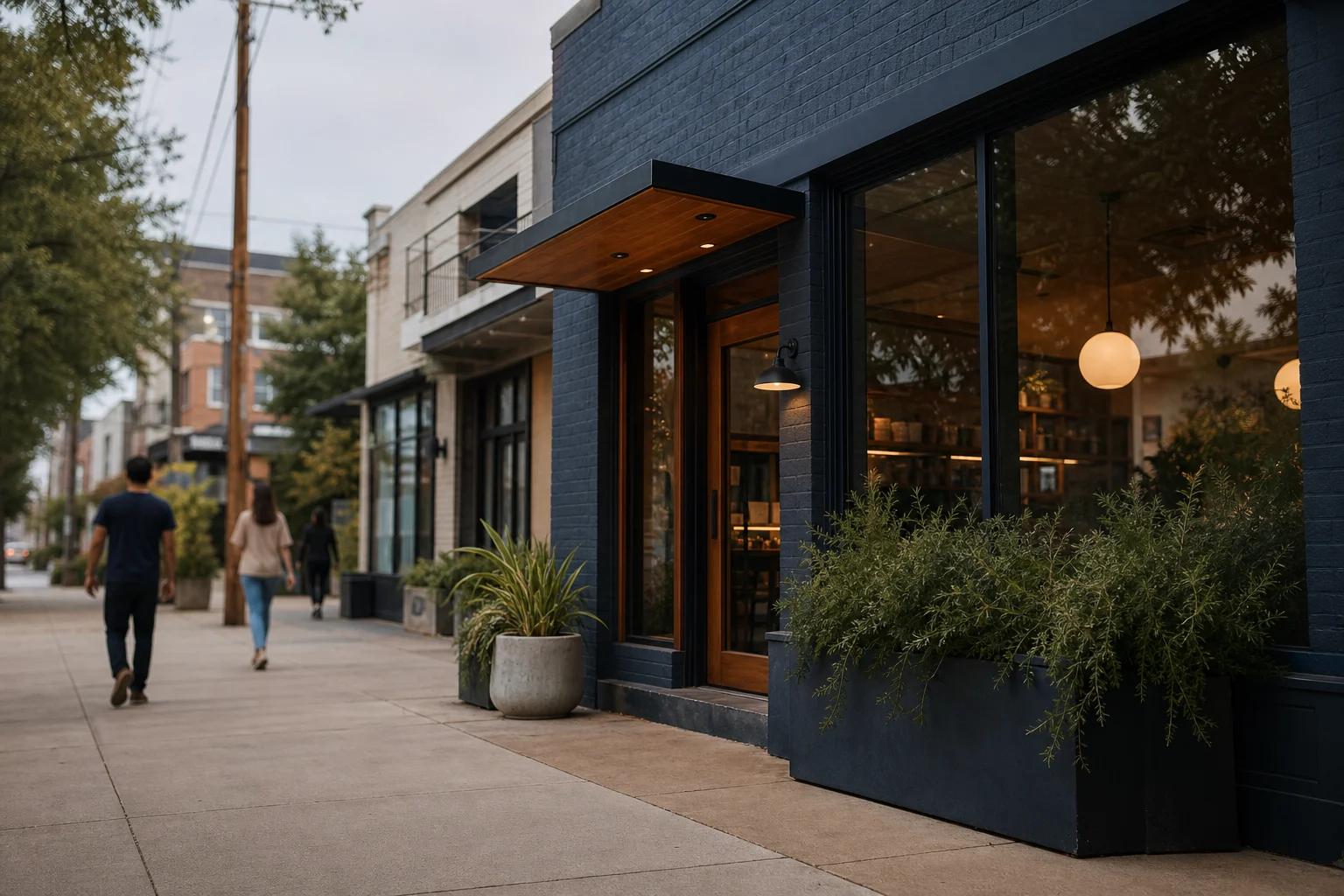
Main Startup Cost Categories
When planning to open a barber shop in Fort Worth, several major cost categories require consideration. These include rent and lease assumptions, buildout and construction costs, equipment purchases, payroll expenses, opening inventory, permits and licensing fees, and maintaining adequate cash reserves. Each category carries its own financial implications and requires careful planning. The specific costs will vary based on your chosen location, business model, and operational approach.
Understanding these cost categories helps in creating a realistic budget and avoiding unexpected expenses. Fort Worth's market conditions, including rent levels and competition density, will influence each of these cost areas. The key is to balance initial investment with long-term sustainability while positioning your barber shop effectively in the local market.
Rent and Lease Assumptions in Fort Worth
Rent represents one of the largest fixed costs for any brick-and-mortar business, including barber shops. Fort Worth offers varying rent levels across different neighborhoods, with some areas presenting more favorable conditions than others. Locavisor neighborhood scoring identifies three top areas for a barber shop in Fort Worth, each with distinct characteristics that impact rent assumptions.
Sundance Square (6.6/10) — Fort Worth's iconic downtown core — Sundance Square delivers the highest daytime worker density in the city, strong walkability, and solid transit/parking access. Four barbershops within 400m (The Cutting Room at 4.9★/623 reviews, Local Barber at 4.9★/231 reviews) mean you're entering a proven market, not a virgin one. The rent level in this area is characterized as low, making it an attractive option for cost-conscious entrepreneurs.
Stockyards (6.5/10) — The Stockyards is Fort Worth's premier tourist corridor — Billy Bob's, cattle drives, Stockyards Station. Walkability is near ceiling, vibrancy is strong, and there are zero direct barber competitors detected in the area. The catch: the customer base is tourist-driven (weekend spikes, weekday lulls) with below-average affluence in the immediate residential ring. Rent runs roughly $30-50/sqft NNN.
Clearfork (5.8/10) — Clearfork is Fort Worth's premium lifestyle-center district — The Shops at Clearfork, upscale dining, corporate offices, and luxury apartments. The retail anchor score is near ceiling, and office density is strong. But there's already a Boardroom Salon For Men (4.7★, 424 reviews) on-site — a premium men's grooming competitor. Rent runs roughly $45-70/sqft NNN, which is the highest in this set.
The market temperature in Fort Worth is mixed, and competition density is medium, which affects rent assumptions. When evaluating lease options, consider not just the monthly rent but also the length of the lease, renewal options, and any additional costs like maintenance fees or property taxes. The rent level in your chosen neighborhood will significantly impact your overall startup costs and long-term financial sustainability.
Buildout, Equipment, Payroll, Opening Inventory, Permits, and Cash Reserve
Beyond rent, several other cost categories require careful consideration when opening a barber shop in Fort Worth. Buildout costs include construction, plumbing, electrical work, and interior design to transform a raw space into a functional barber shop. The extent of buildout needed depends on the condition of the leased space and your desired aesthetic and functionality.
Equipment represents another significant investment, including barber chairs, mirrors, wash stations, clippers, trimmers, and other tools of the trade. Payroll expenses must account for hiring licensed barbers, receptionists, and possibly additional staff. Opening inventory includes initial supplies like shampoo, conditioner, styling products, and disposable items.
Permits and licensing fees are necessary to operate legally in Fort Worth and may include barber licenses, business permits, health department approvals, and zoning compliance. These requirements vary by location and must be thoroughly researched before opening day.
Maintaining adequate cash reserves is crucial for covering unexpected expenses and sustaining operations during the initial growth phase. The market temperature and competition density in Fort Worth will influence how quickly your barber shop builds a steady customer base, affecting your cash flow needs.

Lean vs Moderate vs Generous Launch Budgets
When planning your barber shop startup in Fort Worth, consider different approaches to budget allocation. A lean launch budget minimizes initial investment by focusing on essential equipment and modest buildout. This approach reduces financial risk but may limit your ability to create a distinctive brand experience or handle higher customer volume from the start.
A moderate launch budget allows for more comprehensive equipment, better buildout quality, and additional staffing capacity. This approach balances initial investment with operational flexibility, providing resources to handle growth while maintaining reasonable cost control. Many successful barber shops in Fort Worth have followed this balanced approach.
A generous launch budget enables premium equipment, extensive buildout, additional services, and robust staffing. This approach positions your barber shop as a high-end option from day one but requires significantly more capital and carries higher financial risk. The rent level in your chosen neighborhood will influence how much budget you can allocate to other areas.
The competition density in Fort Worth's various neighborhoods should inform your budget strategy. In areas with established competitors like Sundance Square, a more generous budget might be necessary to differentiate your offering. In areas with fewer competitors like the Stockyards, a leaner approach might suffice initially.
What to Validate Before Spending Money
Before committing significant funds to your barber shop venture in Fort Worth, thorough validation of several key factors is essential. First, validate your lease assumptions by confirming the exact terms, including rent amount, lease duration, renewal options, and additional costs. Consider the rent level in your chosen neighborhood and how it compares to your budget.
Second, validate your buildout scope by obtaining detailed quotes from contractors and understanding the specific requirements for a barber shop in Fort Worth. Third, validate your equipment list by researching industry standards and obtaining quotes from suppliers. Fourth, validate your payroll model by researching typical wages for barbers in Fort Worth and understanding staffing requirements.
Fifth, validate your opening inventory needs by consulting with industry professionals and understanding product usage rates. Sixth, validate your permit requirements by researching local regulations and obtaining accurate information about licensing fees and compliance requirements.
Finally, validate your cash reserve needs by consulting with financial advisors and understanding typical operating expenses and revenue patterns in Fort Worth's barber industry. The market temperature and competition density in your chosen neighborhood will influence many of these validation factors.
FAQ
How much does it cost to open A Barber Shop in Fort Worth?
The exact total cost to open a barber shop in Fort Worth cannot be estimated from the provided data. Startup costs vary significantly based on multiple factors including location, size, equipment quality, buildout requirements, and business model. To determine accurate costs, you should validate specific expenses for your planned location, including rent assumptions, buildout quotes, equipment prices, payroll requirements, permit fees, and inventory needs. The rent level in your chosen neighborhood, whether Sundance Square, Stockyards, or Clearfork, will be a major factor in your overall startup costs. Additionally, consider the market temperature and competition density in your target area when planning your budget. Consulting with local industry professionals and financial advisors is recommended to develop a comprehensive cost estimate for your specific barber shop venture in Fort Worth.
Last reviewed: 2026-05-08
Sources: U.S. Census Bureau ACS, LEHD LODES, Google Places, OpenStreetMap, Locavisor neighborhood scoring.
Methodology: Locavisor scores neighborhoods across demand, competition fit, rent fit, accessibility, and customer match. Scores reflect a snapshot of recent data and should be combined with on-the-ground research before lease decisions.
Disclaimer: This article provides informational content only and does not constitute legal, financial, accounting, or real-estate advice. Verify lease terms, licensing, local regulations, costs, and professional requirements with qualified local professionals before making business decisions.
Free preview shows top 3 neighborhoods. Full $9.99 report covers all 10 areas with personalized scoring + 90-day check-ins.
Informational only. Verify lease, licensing, local regulations, costs, and professional requirements with qualified local professionals.