New York, NY · barber shop
Cost to open a barber shop in New York
Opening a barber shop in New York requires careful planning of startup costs across multiple categories. The cost to open a barber shop in New York varies significantly based on location, scale, and business model. Before committing capital, founders must understand the practical cost stack and validate key assumptions to avoid common financial pitfalls.
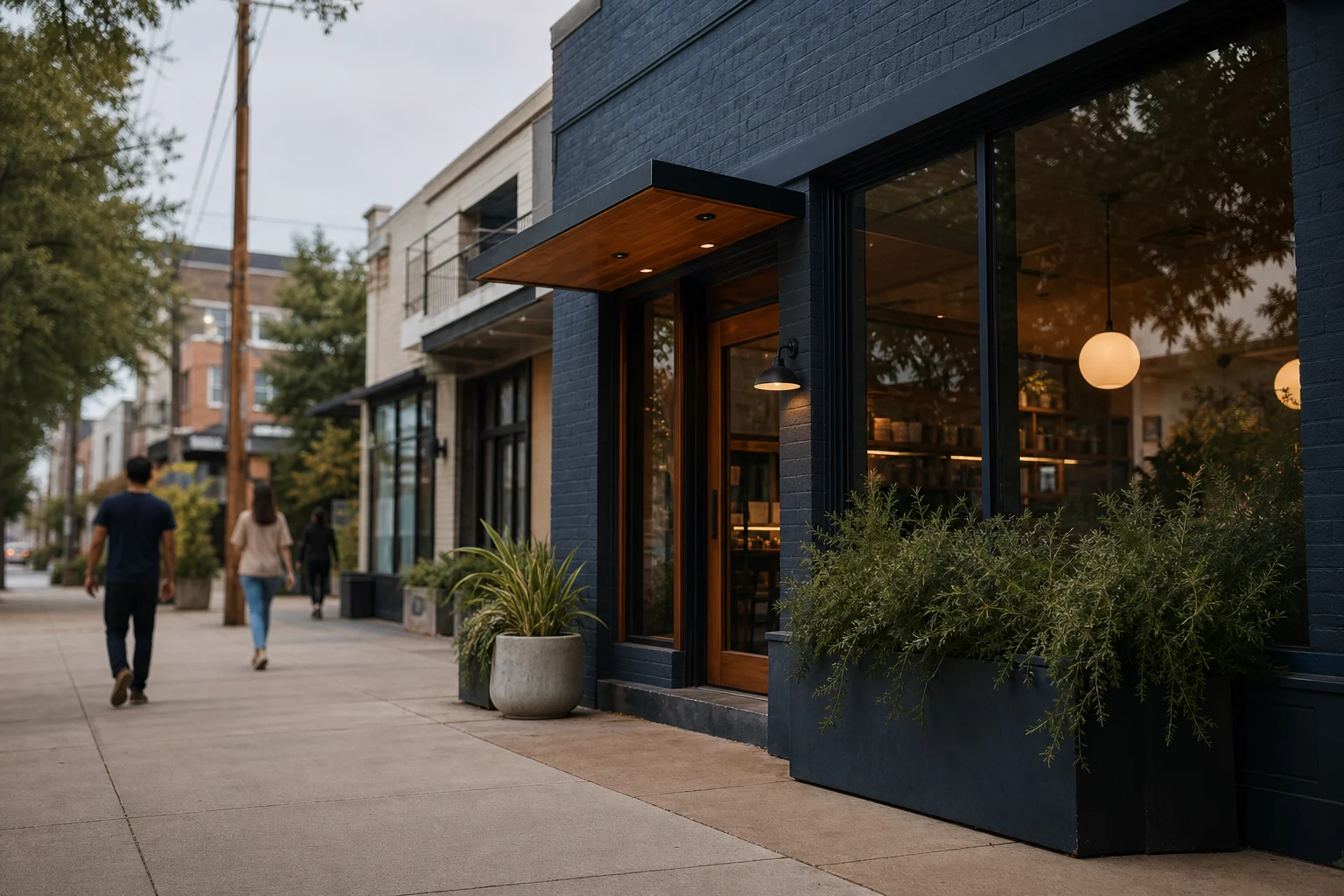
Main startup cost categories
The cost to open a barber shop in New York falls into several key categories that require careful consideration. Each category presents different financial pressures and validation needs before committing capital.
Rent represents the largest fixed cost for most barber shops. In New York, commercial real estate commands premium prices, particularly in high-traffic areas. The rent level across the city is generally high, with significant variation between neighborhoods. Founders must balance location advantages against the substantial rent burden that impacts long-term profitability.
Buildout costs transform raw space into a functional barber environment. These expenses include construction, plumbing, electrical work, and specialized installations required for barber operations. The scale and quality of buildout directly impact customer experience and operational efficiency.
Equipment represents another major investment. Barber chairs, mirrors, stations, tools, and retail displays form the core operational infrastructure. Quality equipment affects both service delivery and long-term durability.
Payroll costs extend beyond initial hiring to include training periods and potential seasonal fluctuations. New York's labor market presents specific challenges in recruitment and retention that impact staffing budgets.
Opening inventory includes products for retail and immediate service needs. The right mix of inventory supports revenue generation from day one while avoiding overstocking issues.
Permits and licensing represent regulatory compliance costs. New York's regulatory environment requires specific approvals that vary by location and business model.
Cash reserves provide a buffer for unexpected expenses during the launch phase. Many founders underestimate the runway needed to reach operational stability.
Rent and lease assumptions in New York
New York's commercial real estate market presents significant challenges for barber shop startups. Locavisor neighborhood scoring identifies three top areas for consideration, each with distinct rent characteristics and market dynamics.
Murray Hill (6.1/10) delivers unmatched daytime foot traffic from Midtown office workers and dense residential population, but rent at roughly $90-140/sqft NNN is punishing for a medium-budget barber. The area already supports 14 barber shops within 800m, including Premium Barbershop Midtown Manhattan (4.9★, 600 reviews) and Makas Barbershop (4.9★, 1,113 reviews). The high rent level combined with medium competition density creates substantial financial pressure on new entrants.
Times Square / Theater District (6.0/10) has unmatched pedestrian volume and transit connectivity, but rent at roughly $90-140/sqft NNN is trophy-tier and the customer mix skews tourist — not ideal for a repeat-client barber model. 15 barber competitors within 800m including Made Man Barbershop (4.9★, 1,726 reviews) and Pall Mall Barbers Midtown NYC (4.8★, 763 reviews) indicate a saturated market despite the high foot traffic. The mixed market temperature suggests opportunity exists but requires careful positioning.
Astoria (6.0/10) is the strongest value play in this set. Rent at roughly $30-50/sqft NNN is affordable for a medium-budget operator, and the neighborhood has strong residential density with a young, diverse transplant population that matches barber archetypes. The lower rent level provides more financial flexibility for other startup cost categories.
When evaluating lease assumptions, founders must consider more than just the base rent. Triple net (NNN) expenses add significant costs through taxes, insurance, and maintenance. Lease terms impact both initial investment and long-term flexibility. The 75% score confidence suggests these areas represent the current best options, but market conditions may evolve.
Buildout, equipment, payroll, opening inventory, permits, and cash reserve
Beyond rent, several cost categories require careful planning. Buildout costs depend heavily on the condition of the space and the desired aesthetic. New York's older buildings often require substantial renovation to meet modern barber shop standards and regulatory requirements.
Equipment quality directly impacts service delivery and customer experience. Premium equipment commands higher upfront costs but offers better durability and performance. The equipment list must balance immediate operational needs with future expansion plans.
Payroll models must account for New York's specific labor market conditions. Beyond base salaries, benefits, taxes, and potential overtime create additional cost layers. The medium competition density suggests skilled barbers may have multiple employment options, requiring competitive compensation packages.
Opening inventory should support immediate service needs while creating retail revenue opportunities. Product selection must align with the target customer demographic and service offerings. Inventory carrying costs impact cash flow during the critical early months.
Permit requirements vary by location and business model. New York's regulatory environment requires specific approvals that impact both timeline and budget. The mixed market temperature suggests regulatory approaches may differ across neighborhoods.
Cash reserves provide essential flexibility during the launch phase. Many founders underestimate the time required to reach operational stability. The high rent level across top areas creates significant fixed cost pressure that makes adequate reserves critical.

Lean vs moderate vs generous launch budgets
Founders must consider different budget approaches based on their financial resources and risk tolerance. Lean launch models minimize upfront investment but may limit growth potential. Moderate budgets balance initial investment with operational flexibility. Generous launch budgets provide maximum positioning potential but require substantial capital.
In high-rent areas like Murray Hill and Times Square, even moderate launch budgets face significant pressure. The $90-140/sqft NNN rent creates substantial fixed cost burdens that impact all other budget categories. Astoria's lower rent range ($30-50/sqft NNN) provides more flexibility across all startup cost categories.
The medium competition density suggests opportunities exist in all three areas, but positioning differs significantly. Murray Hill's daytime foot traffic favors convenience services, while Astoria's residential population supports community-focused relationships. Budget allocations should reflect these strategic differences.
What to validate before spending money
Before committing significant capital, founders must validate several key assumptions. Lease terms impact long-term financial viability beyond the base rent calculation. Triple net expenses, lease duration, and renewal options create substantial financial implications.
Buildout scope must balance aesthetic goals with regulatory requirements. New York's building codes and health regulations impose specific requirements that impact both timeline and budget. The condition of the existing space significantly influences renovation costs.
Equipment needs assessment should consider both immediate requirements and future expansion plans. Quality impacts both customer experience and long-term operational efficiency. The right equipment list supports service delivery while managing capital expenditure.
Payroll model validation requires understanding New York's labor market dynamics. Recruitment challenges, retention strategies, and compensation benchmarks impact long-term staffing costs. The medium competition density suggests skilled professionals have multiple options.
Opening inventory strategy should align with target customer demographics and service offerings. Product selection impacts both service quality and retail revenue potential. Inventory turnover rates affect cash flow during the critical early months.
Permit requirements vary by location and business model. Regulatory compliance impacts both timeline and budget. The mixed market temperature suggests regulatory approaches may differ across neighborhoods.
Cash reserve adequacy provides essential flexibility during the launch phase. Many founders underestimate the time required to reach operational stability. The high rent level across top areas creates significant fixed cost pressure that makes adequate reserves critical.
FAQ
How much does it cost to open A Barber Shop in New York?
The exact total cost to open a barber shop in New York cannot be estimated from the provided data. Startup costs vary significantly based on location, scale, and business model. Founders should validate key assumptions including lease terms, buildout scope, equipment requirements, payroll model, opening inventory needs, permit requirements, and adequate cash reserves before committing capital. The high rent level in top areas like Murray Hill and Times Square creates substantial fixed cost pressure that impacts all other budget categories, while Astoria's more affordable rent range provides greater financial flexibility across startup cost categories.
Last reviewed: 2026-05-08
Sources: U.S. Census Bureau ACS, LEHD LODES, Google Places, OpenStreetMap, Locavisor neighborhood scoring.
Methodology: Locavisor scores neighborhoods across demand, competition fit, rent fit, accessibility, and customer match. Scores reflect a snapshot of recent data and should be combined with on-the-ground research before lease decisions.
Disclaimer: This article provides informational content only and does not constitute legal, financial, accounting, or real-estate advice. Verify lease terms, licensing, local regulations, costs, and professional requirements with qualified local professionals before making business decisions.
Free preview shows top 3 neighborhoods. Full $9.99 report covers all 10 areas with personalized scoring + 90-day check-ins.
Informational only. Verify lease, licensing, local regulations, costs, and professional requirements with qualified local professionals.