Austin, TX · boba shop
Cost to open a boba shop in Austin
Opening a boba shop in Austin presents a unique set of cost considerations shaped by the city's rapid growth, competitive food scene, and specific real estate dynamics. The cost to open a boba shop in Austin isn't just about equipment and ingredients-it's about navigating Austin's distinctive market pressures, from high-demand neighborhoods to local competition and regulatory requirements. Understanding these factors is crucial for any founder looking to establish a successful bubble tea business in the Texas capital.
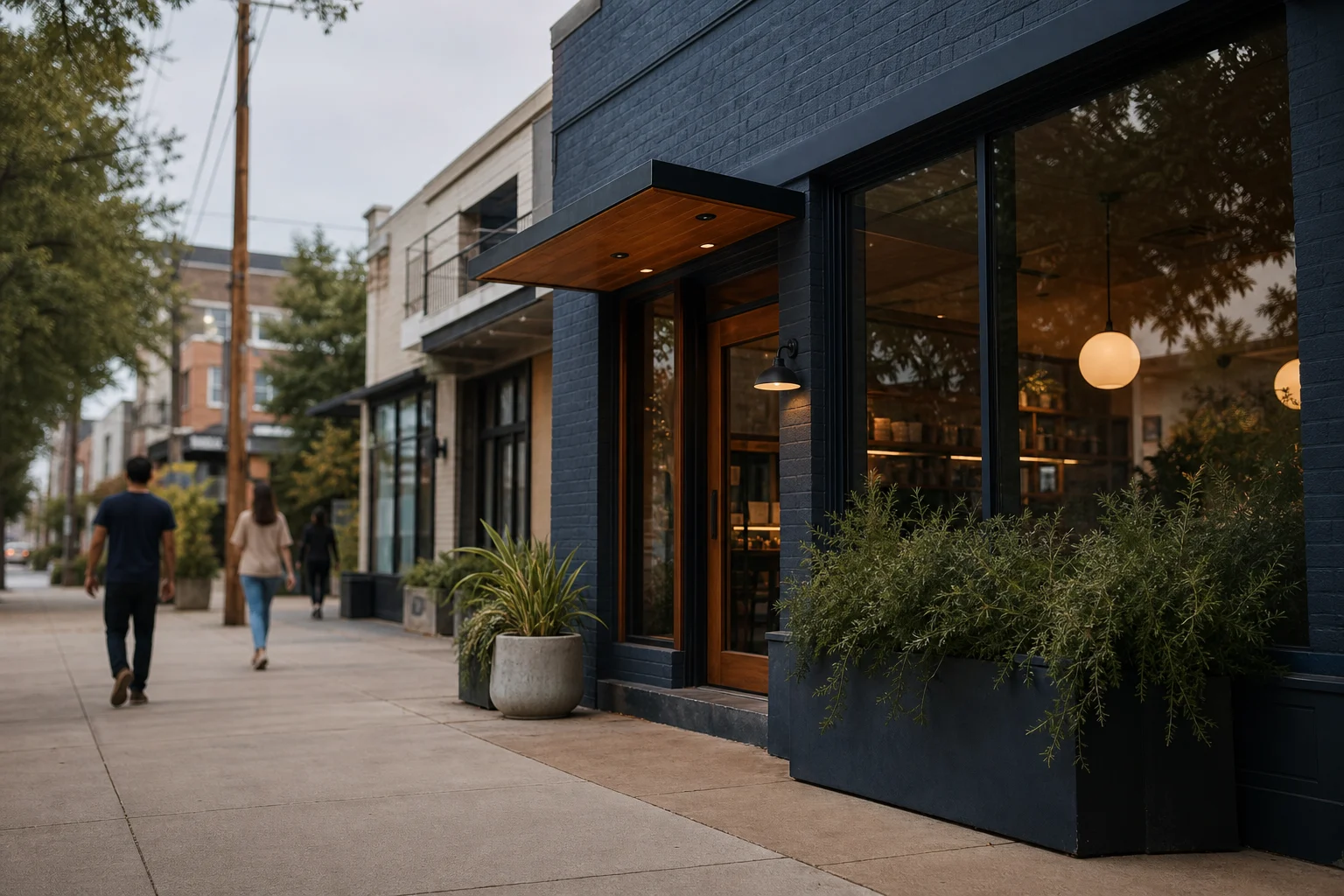
What does it cost to open a boba shop in Austin?
The cost to open a boba shop in Austin varies significantly based on location, size, and operational scale, but founders should expect substantial investments in real estate, buildout, equipment, and initial inventory. Austin's vibrant food culture and growing population have created a robust market for specialty beverages, but this demand comes with corresponding price tags for prime locations and operational expenses. The city's economic growth has driven up commercial rents and increased competition, making careful financial planning essential for new boba shop owners.
Major cost categories
Lease deposit and first/last month
One of the most significant upfront costs for any boba shop is securing a suitable location. Austin's commercial real estate market, particularly in desirable neighborhoods, commands premium rents. Founders should budget for security deposits, first and last month's rent, and potentially additional fees depending on lease negotiations. The rent bands in top Austin neighborhoods typically range from $31-$60/sqft/yr NNN, with variations based on location, visibility, and amenities. NNN (Triple Net) leases require tenants to pay a portion of property taxes, insurance, and maintenance costs in addition to base rent.
Tenant improvements and buildout
Transforming a raw commercial space into a functional boba shop requires significant investment in tenant improvements and buildout. This includes everything from plumbing and electrical work to flooring, walls, and custom fixtures. The condition of the space and local building codes will heavily influence these costs. Austin's building regulations and permitting processes add another layer of complexity and potential expense. Founders should allocate substantial funds for these improvements, as they directly impact the customer experience and operational efficiency.
Equipment and furniture
outfitting a boba shop requires specialized equipment including tea brewing systems, refrigeration units, point-of-sale systems, seating, and decor. The quality and capacity of this equipment will affect both initial costs and long-term operational expenses. Energy-efficient models may have higher upfront costs but can reduce utility bills over time. Furniture selection also impacts the customer experience and should align with the shop's brand identity while remaining durable enough for high-traffic environments.
Licenses, permits, and insurance
Operating a food service business in Austin requires multiple licenses and permits from city and state agencies. These include health department permits, business licenses, and potentially alcohol permits if offering certain beverages. Insurance costs, particularly liability coverage, can be substantial for food service businesses. Founders should budget for these recurring expenses and factor in the time required to navigate the permitting process, which can vary based on location and specific requirements.
Initial inventory or supplies
Stocking a boba shop with ingredients, cups, straws, and other supplies represents another significant upfront cost. The variety of tea flavors, toppings, and other ingredients will impact inventory costs. Maintaining proper storage conditions and inventory management systems is crucial for minimizing waste and ensuring product quality. Founders should plan for initial inventory purchases and establish relationships with reliable suppliers to manage ongoing restocking needs.
Pre-opening payroll and training
Hiring and training staff before opening is essential for a smooth launch. This includes costs for recruitment, onboarding, and initial training periods. Austin's competitive labor market means founders may need to offer competitive wages to attract qualified employees. Planning for sufficient staffing during the pre-opening phase helps ensure the business is ready to operate efficiently from day one.
Working capital reserve
Beyond the initial startup costs, founders should maintain a working capital reserve to cover operational expenses during the early months of business. This reserve helps manage cash flow challenges common in new ventures and provides a buffer for unexpected expenses. Austin's dynamic market may present opportunities for rapid growth, but also requires financial flexibility to adapt to changing conditions.
How Austin compares to other TX markets
Austin's commercial real estate and operational costs generally exceed those in other Texas markets, reflecting its status as a growing tech hub and cultural destination. While cities like Houston and Dallas offer larger populations, Austin's concentrated demand in specific neighborhoods and higher cost of living drive up business expenses. The city's unique demographic profile, with a large student population and young professionals, creates both opportunities and challenges for boba shop owners. Understanding these market dynamics helps founders set realistic expectations and financial targets.
What competition looks like in the top areas
Austin's top neighborhoods for boba shops, according to Locavisor research, include Hyde Park (score 6.3/10), UT Campus/West Campus (5.9/10), North Loop (5.8/10), Domain/North Austin (5.8/10), and Cherrywood (5.6/10), all with rent bands of $31-$60/sqft/yr NNN. These areas feature established competitors like DOKA Bubble Tea, Love Bubble Tea, and Happy Lemon in Hyde Park, and Gong cha @ Domain and Kung Fu Tea in the Domain area. The competition density varies by neighborhood, with some areas supporting multiple boba shops while others present opportunities for new entrants. Customer reviews highlight the importance of quality and service, with mentions of professional staff and value perception being key differentiators.
| Neighborhood | Locavisor Score | Rent Band | Key Competitors | Customer Feedback Themes |
|---|---|---|---|---|
| Hyde Park | 6.3/10 | $31-$60/sqft/yr NNN | DOKA Bubble Tea, Love Bubble Tea, Happy Lemon | Professional service, quality emphasis |
| UT Campus/West Campus | 5.9/10 | $31-$60/sqft/yr NNN | Gong cha @ UT Campus, Tea Cup Boba House | Student-focused, value perception |
| Domain/North Austin | 5.8/10 | $31-$60/sqft/yr NNN | Gong cha @ Domain, Kung Fu Tea, Gen BobaBee | Modern retail environment, higher-end positioning |
| North Loop | 5.8/10 | $31-$60/sqft/yr NNN | Limited data available | Community-focused, local appeal potential |
| Cherrywood | 5.6/10 | $31-$60/sqft/yr NNN | Limited data available | Neighborhood charm, local customer base |
Common cost overrun patterns
Many boba shop founders encounter unexpected costs during the startup process. Common overruns include underestimating buildout requirements, encountering unforeseen structural issues in leased spaces, and miscalculating equipment needs. Austin's permitting process can also lead to delays and additional expenses if not properly navigated. Another frequent challenge is inventory mismanagement, where founders either overstock or understock essential ingredients. Working with experienced local contractors and consultants who understand Austin's specific requirements can help mitigate these risks.
How to validate your number before committing capital
Before committing significant capital, founders should conduct thorough due diligence on all cost assumptions. This includes obtaining firm quotes for equipment and buildout, researching local permitting requirements, and analyzing competitor operations. Visiting potential locations and understanding their specific conditions is crucial. Founders should also develop detailed financial projections that account for various scenarios and potential delays. Consulting with local business owners and industry experts can provide valuable insights into Austin's specific market dynamics and help refine cost estimates.

FAQ
Q: What are the most expensive neighborhoods for boba shop locations in Austin? A: According to Locavisor research, Hyde Park (score 6.3/10) and UT Campus/West Campus (5.9/10) are the top-rated neighborhoods for boba shops, with rent bands of $31-$60/sqft/yr NNN. These areas feature high foot traffic and established customer bases but come with corresponding higher real estate costs.
Q: How does Austin's boba shop market compare to other Texas cities? A: Austin's boba shop market is more concentrated in specific neighborhoods with higher rent bands ($31-$60/sqft/yr NNN) compared to other Texas cities. The city's demographic profile and cultural scene create both opportunities and challenges distinct from markets in Houston or Dallas.
Q: What permits are required to open a boba shop in Austin? A: Opening a boba shop in Austin requires health department permits, business licenses, and potentially other regulatory approvals. Founders should contact the Austin Health and Human Services Department and the Texas Alcoholic Beverage Commission (if serving certain beverages) to understand specific requirements for their location and business model.
Last reviewed: 2026-05-30
Sources: U.S. Census Bureau ACS, LEHD LODES, Google Places, OpenStreetMap, Locavisor neighborhood scoring.
Methodology: Locavisor scores neighborhoods across demand, competition fit, rent fit, accessibility, and customer match. Scores reflect a snapshot of recent data and should be combined with on-the-ground research before lease decisions.
Disclaimer: This article provides informational content only and does not constitute legal, financial, accounting, or real-estate advice. Verify lease terms, licensing, local regulations, costs, and professional requirements with qualified local professionals before making business decisions.
Free preview shows top 3 neighborhoods. Full $9.99 report covers all 10 areas with personalized scoring + 90-day check-ins.
Informational only. Verify lease, licensing, local regulations, costs, and professional requirements with qualified local professionals.