Charlotte, NC · boba shop
Cost to open a boba shop in Charlotte
Opening a boba shop in Charlotte requires careful planning of startup costs across multiple categories. The city presents mixed market conditions with medium competition density and medium rent levels, making it a viable but challenging market for new boba entrepreneurs. Understanding the cost structure is essential before committing significant capital to your venture.
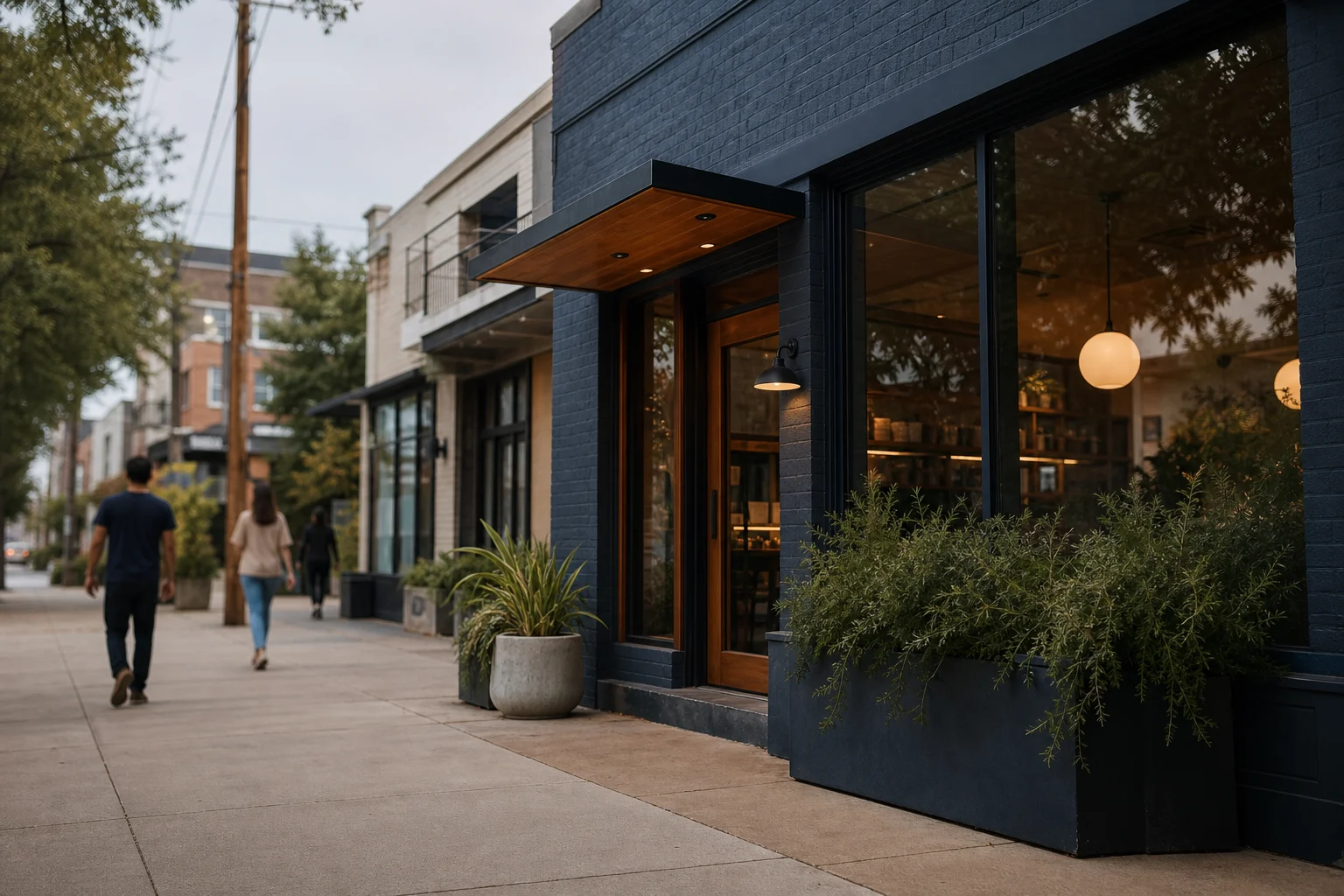
Main startup cost categories
Launching a boba shop involves several major cost categories that entrepreneurs must plan for. These include rent and lease assumptions, buildout and equipment costs, payroll expenses, opening inventory, permits and licensing fees, and maintaining adequate cash reserves. Each category carries its own cost pressures and considerations specific to Charlotte's market conditions.
The cost structure varies significantly based on location within Charlotte. Locavisor neighborhood scoring identifies University City as the best fit with a 6.2/10 score, followed by Camp North End at 5.9/10 and Wesley Heights at 5.4/10. These areas present different opportunities and cost considerations for boba shop entrepreneurs.
Rent and lease assumptions in Charlotte
Rent represents one of the largest fixed costs for any boba shop. Charlotte's medium rent level creates moderate cost pressure, but this varies significantly across different neighborhoods. Entrepreneurs must carefully evaluate lease terms, square footage requirements, and location-specific factors before committing to a space.
University City stands out as the top location for a boba shop, anchored by UNC Charlotte with a maxed-out student index. The light-rail Blue Line connects directly to campus, providing excellent transit access. While no direct boba competitors exist in the search radius, adjacent tea/coffee shops like Tea Fusion Cafe (4.5★, 987 reviews) and Vavela Cafe (4.7★, 1,469 reviews) already serve a similar audience.
Camp North End offers Charlotte's most walkable adaptive-reuse district with walkability near ceiling. This area features strong office-daytime density and a maxed-out tourist index. With zero boba competitors but established coffee and dessert operators, entrepreneurs can expect roughly $30-50/sqft NNN rent in this district.
Wesley Heights presents another option with a maxed-out office index and the strongest daytime worker lunch population among the top areas. The Wesley Heights light-rail station provides transit access, and the area has two well-rated coffee shops (Platform Coffee 4.7★, Not Just Coffee 4.5★) but zero boba competitors.
Buildout, equipment, payroll, opening inventory, permits, and cash reserve
Beyond rent, entrepreneurs must budget for buildout costs to transform a raw space into a functional boba shop. This includes construction, plumbing, electrical work, flooring, and interior design elements tailored to your brand concept. Equipment costs encompass boba-making machinery, refrigeration, POS systems, furniture, and decor.
Payroll represents another significant expense, covering staff wages during both the pre-launch training phase and ongoing operations. Opening inventory includes initial supplies of tea, milk, sweeteners, tapioca pearls, cups, straws, and other consumables. Permits and licensing fees cover business registration, health department approvals, and other regulatory requirements.
Maintaining adequate cash reserves is critical for covering unexpected expenses and sustaining operations during the initial ramp-up period before reaching steady-state revenue. Charlotte's mixed market temperature suggests entrepreneurs should plan for a conservative revenue ramp-up timeline.

Lean vs moderate vs generous launch budgets
Entrepreneurs can approach their boba shop launch with varying budget philosophies, each with different cost implications. A lean launch minimizes fixed costs and focuses on core functionality, while a moderate budget allows for more comprehensive buildout and equipment. A generous launch budget enables premium branding, extensive marketing, and higher-end fixtures.
The appropriate budget approach depends on several factors including target market positioning, competitive landscape, and personal financial capacity. Charlotte's medium competition density suggests opportunities for differentiation, which may justify investment in unique branding or specialized equipment.
What to validate before spending money
Before committing significant capital to a boba shop venture, entrepreneurs should validate several key assumptions. Lease assumptions require careful evaluation of foot traffic patterns, visibility, and accessibility. Buildout scope should align with brand positioning while avoiding unnecessary expenses.
Equipment needs must match operational requirements without over-investing in capacity beyond initial demand. Payroll models should reflect realistic staffing needs for both launch and ongoing operations. Opening inventory levels should balance immediate needs with efficient supply chain management.
Permit requirements must be thoroughly understood to avoid regulatory delays or compliance issues. Cash reserve targets should account for conservative revenue projections and unexpected expenses. Local professional review from attorneys, accountants, and industry veterans can provide valuable insights before finalizing plans.
FAQ
How much does it cost to open a Boba Shop in Charlotte?
The exact total startup cost cannot be estimated from the provided data. Opening a boba shop in Charlotte involves multiple variables that entrepreneurs must validate, including lease terms, buildout scope, equipment requirements, payroll models, inventory needs, permit fees, and cash reserve targets. Charlotte's medium rent level and mixed market temperature create moderate cost pressures, but actual expenses will vary significantly based on location within the city, business model, and operational approach. Entrepreneurs should develop detailed financial models based on their specific circumstances before committing to a boba shop venture.
Last reviewed: 2026-05-05
Sources: U.S. Census Bureau ACS, LEHD LODES, Google Places, OpenStreetMap, Locavisor neighborhood scoring.
Methodology: Locavisor scores neighborhoods across demand, competition fit, rent fit, accessibility, and customer match. Scores reflect a snapshot of recent data and should be combined with on-the-ground research before lease decisions.
Disclaimer: This article provides informational content only and does not constitute legal, financial, accounting, or real-estate advice. Verify lease terms, licensing, local regulations, costs, and professional requirements with qualified local professionals before making business decisions.
Free preview shows top 3 neighborhoods. Full $9.99 report covers all 10 areas with personalized scoring + 90-day check-ins.
Informational only. Verify lease, licensing, local regulations, costs, and professional requirements with qualified local professionals.