Fort Worth, TX · boba shop
Cost to open a boba shop in Fort Worth
Opening a boba shop in Fort Worth requires careful planning of startup costs across multiple categories. The cost to open a boba shop in Fort Worth varies significantly based on location, scale, and operational approach. Fort Worth offers several promising neighborhoods for boba businesses, each with different cost pressures and market conditions.
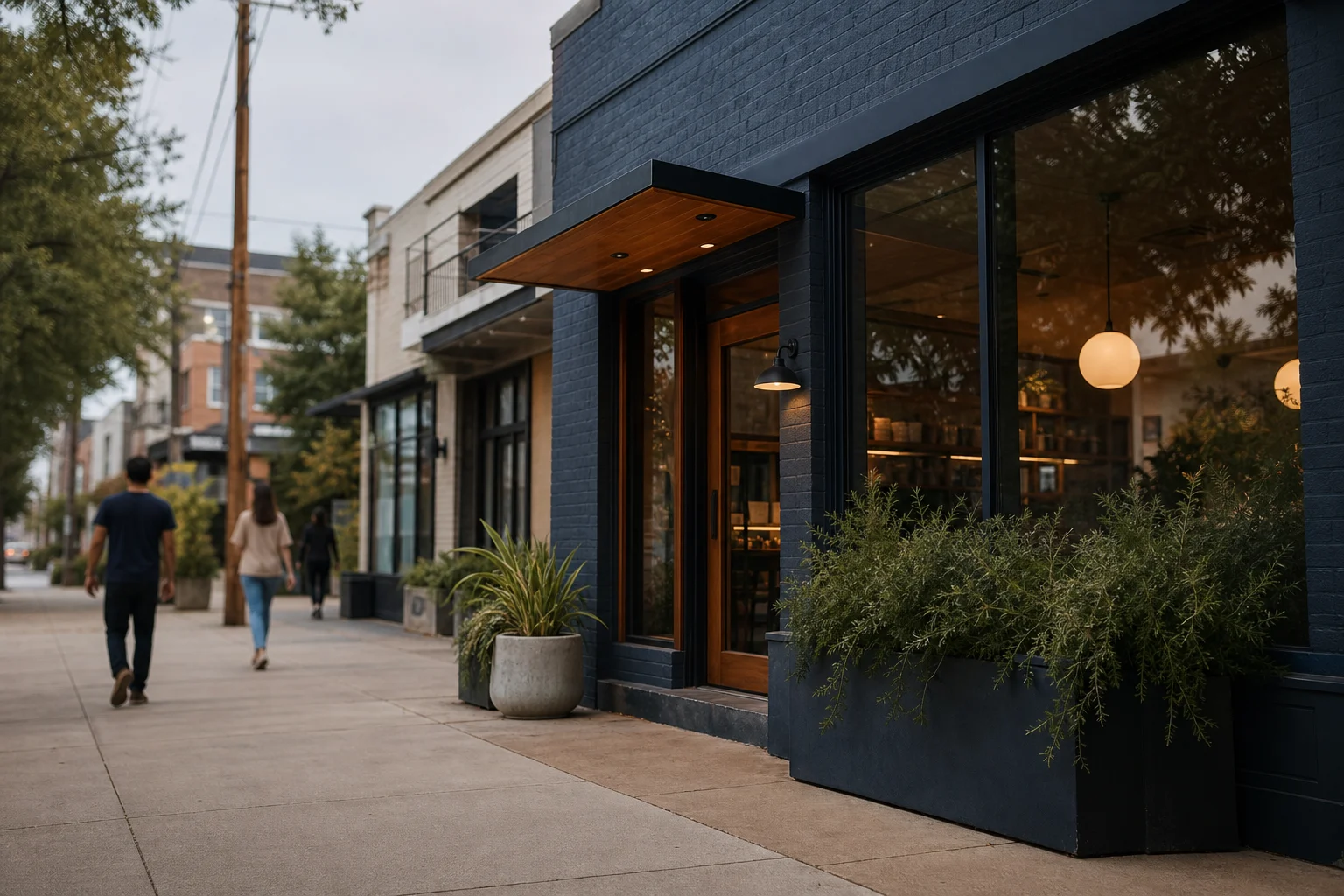
Main startup cost categories
The cost structure for launching a boba shop in Fort Worth includes several major components. Rent typically represents the largest fixed expense, followed by buildout and equipment costs. Additional significant expenses include hiring and training staff, securing necessary permits, maintaining adequate inventory levels, and maintaining sufficient cash reserves for the initial operating period. Each category requires careful consideration and budgeting based on your specific business model and target market.
Rent and lease assumptions in Fort Worth
Fort Worth offers multiple neighborhoods suitable for boba shops, each with different rent levels and market characteristics. Locavisor neighborhood scoring identifies three top areas for boba shops in Fort Worth:
Berry Street / TCU adjacent (6.2/10) — Top-ranked area anchored by Texas Christian University — student_index is maxed out, meaning this is the strongest student corridor in Fort Worth for boba. Fruitealicious Bubble Tea & Smoothies (4.6★, 665 reviews) is the only direct competitor within 500m, rated highly for fast service and quality drinks. Expect roughly $45-70/sqft NNN given the rent tier.
TCU Campus / University Place (6.2/10) — Essentially the same geography as Berry Street but centered on the TCU campus core and University Park Village. Same rent band ($45-70/sqft NNN) and same single direct competitor (Fruitealicious, 4.6★). The difference is proximity to University Park Village — a lifestyle shopping center with more retail density.
Stockyards (6.1/10) — Fort Worth Stockyards is the city's iconic tourist corridor — Exchange Ave, Billy Bob's, and the daily cattle drive draw heavy weekend and visitor traffic. Walkability is near ceiling, vibrancy is city-leading, and retail anchor density is maxed out. Rent is more moderate at roughly $30-50/sqft NNN.
The market temperature in Fort Worth is mixed, with medium competition density and low rent levels overall. When evaluating lease options, consider not just the monthly rent but also the triple net (NNN) expenses, which typically cover property taxes, insurance, and maintenance. The Berry Street/TCU area offers the strongest student presence but faces moderate competition, while the Stockyards location benefits from tourist traffic with slightly lower rent.
Buildout, equipment, payroll, opening inventory, permits, and cash reserve
Beyond rent, buildout represents another significant cost category for your boba shop. This includes construction, plumbing, electrical work, flooring, lighting, and decor that transform a raw space into a functioning boba shop. Equipment costs include essential machinery such as boba tea brewers, refrigeration units, POS systems, and furniture for customer seating.
Payroll expenses extend beyond initial hiring to include training costs and potential seasonal staffing adjustments. Opening inventory requires sufficient stock of tea bases, milk alternatives, tapioca pearls, flavorings, and packaging materials. Permits and licensing represent necessary but variable costs depending on Fort Worth's specific requirements and your business structure.
Maintaining adequate cash reserves is critical for covering unexpected expenses during the initial operating period. This reserve should account for potential delays in opening, slower-than-expected customer acquisition, and seasonal fluctuations in business. The size of your cash reserve should align with your overall business strategy and risk tolerance.

Lean vs moderate vs generous launch budgets
Your approach to budgeting significantly impacts the cost structure of opening a boba shop in Fort Worth. A lean budget might focus on a smaller footprint with minimal seating, used equipment, and a limited menu. This approach reduces initial investment but may constrain growth potential and customer experience.
A moderate budget allows for a more balanced approach with quality equipment, comfortable seating, and a comprehensive menu. This strategy positions your boba shop competitively while maintaining reasonable startup costs. A generous budget enables premium buildout, high-end equipment, extensive seating, and potentially multiple revenue streams like food service or merchandise.
The optimal budget approach depends on your specific business goals, target market, and financial capacity. Each neighborhood in Fort Worth presents different opportunities and constraints that should inform your budgeting decisions. The Berry Street/TCU area, for example, might justify a moderate to generous budget given its strong student presence, while the Stockyards location might support a lean to moderate approach with its tourist-focused traffic.
What to validate before spending money
Before committing significant funds to your boba shop venture, validate several critical assumptions. Lease assumptions should include not just the base rent but also NNN expenses, lease terms, renewal options, and potential rent increases. Buildout scope requires verification of local building codes and permitting requirements that might affect your timeline and budget.
Equipment needs should be carefully evaluated based on your menu offerings and expected volume. Consider both initial equipment costs and ongoing maintenance expenses. Your payroll model should account for local wage rates, staffing requirements, and potential scheduling challenges specific to Fort Worth's labor market.
Opening inventory levels must align with projected demand while minimizing waste. Permits and licensing requirements should be thoroughly researched to ensure compliance with Fort Worth's regulations. Finally, maintain adequate cash reserves to cover unexpected expenses and support operations during the initial ramp-up period.
Professional review of your business plan by local experts can identify potential blind spots and validate your assumptions. Consider consulting with Fort Worth-based commercial real estate professionals, boba shop operators, and small business advisors before finalizing your budget and commitments.
FAQ
How much does it cost to open a Boba Shop in Fort Worth?
The exact total cost to open a boba shop in Fort Worth cannot be estimated from the provided data. Startup costs vary significantly based on location, scale, and operational approach. Key variables to validate include lease terms and NNN expenses for your chosen neighborhood, buildout requirements specific to your space, equipment needs based on your menu, staffing requirements aligned with local wage rates, inventory needs for your opening volume, permit and licensing costs, and adequate cash reserves for the initial operating period. Each of these components requires careful research and validation based on your specific business model and target market.
What are the best neighborhoods for a boba shop in Fort Worth?
Locavisor neighborhood scoring identifies three top areas for boba shops in Fort Worth: Berry Street / TCU adjacent (6.2/10), TCU Campus / University Place (6.2/10), and Stockyards (6.1/10). The Berry Street/TCU area offers the strongest student presence with moderate competition density. The TCU Campus/University Place location provides similar benefits with additional proximity to University Park Village. The Stockyards area benefits from tourist traffic with slightly lower rent levels.
What is the competition like for boba shops in Fort Worth?
Fort Worth has medium competition density for boba shops. In the Berry Street/TCU area, Fruitealicious Bubble Tea & Smoothies (4.6★, 665 reviews) is the only direct competitor within 500m. The market temperature is mixed, suggesting both opportunities and challenges for new entrants. Competition density varies by neighborhood, with the student-focused areas potentially having higher demand but also more established competitors.
What rent levels should I expect for a boba shop in Fort Worth?
Rent levels vary by neighborhood in Fort Worth. In the Berry Street/TCU and TCU Campus/University Place areas, expect roughly $45-70/sqft NNN. The Stockyards area offers more moderate rent at roughly $30-50/sqft NNN. These figures represent triple net expenses, which typically cover property taxes, insurance, and maintenance. Rent represents the largest fixed expense for most boba shops and should be carefully evaluated against projected revenue.
What permits and licenses are required for a boba shop in Fort Worth?
The specific permits and licenses required for a boba shop in Fort Worth depend on your business structure, menu offerings, and location. Requirements may include food service permits, health department certifications, business licenses, and potentially alcohol permits if you plan to serve beverages containing alcohol. It's essential to research and comply with all local, state, and federal regulations before opening your boba shop.
Last reviewed: 2026-05-05
Sources: U.S. Census Bureau ACS, LEHD LODES, Google Places, OpenStreetMap, Locavisor neighborhood scoring.
Methodology: Locavisor scores neighborhoods across demand, competition fit, rent fit, accessibility, and customer match. Scores reflect a snapshot of recent data and should be combined with on-the-ground research before lease decisions.
Disclaimer: This article provides informational content only and does not constitute legal, financial, accounting, or real-estate advice. Verify lease terms, licensing, local regulations, costs, and professional requirements with qualified local professionals before making business decisions.
Free preview shows top 3 neighborhoods. Full $9.99 report covers all 10 areas with personalized scoring + 90-day check-ins.
Informational only. Verify lease, licensing, local regulations, costs, and professional requirements with qualified local professionals.