Jacksonville, FL · boba shop
Cost to open a boba shop in Jacksonville
Opening a boba shop in Jacksonville presents a unique set of cost considerations shaped by the city's diverse neighborhoods, competitive market, and specific local regulations. The cost structure varies significantly depending on location, size, and operational model. Understanding these factors is crucial for any entrepreneur planning to enter the local bubble tea market.
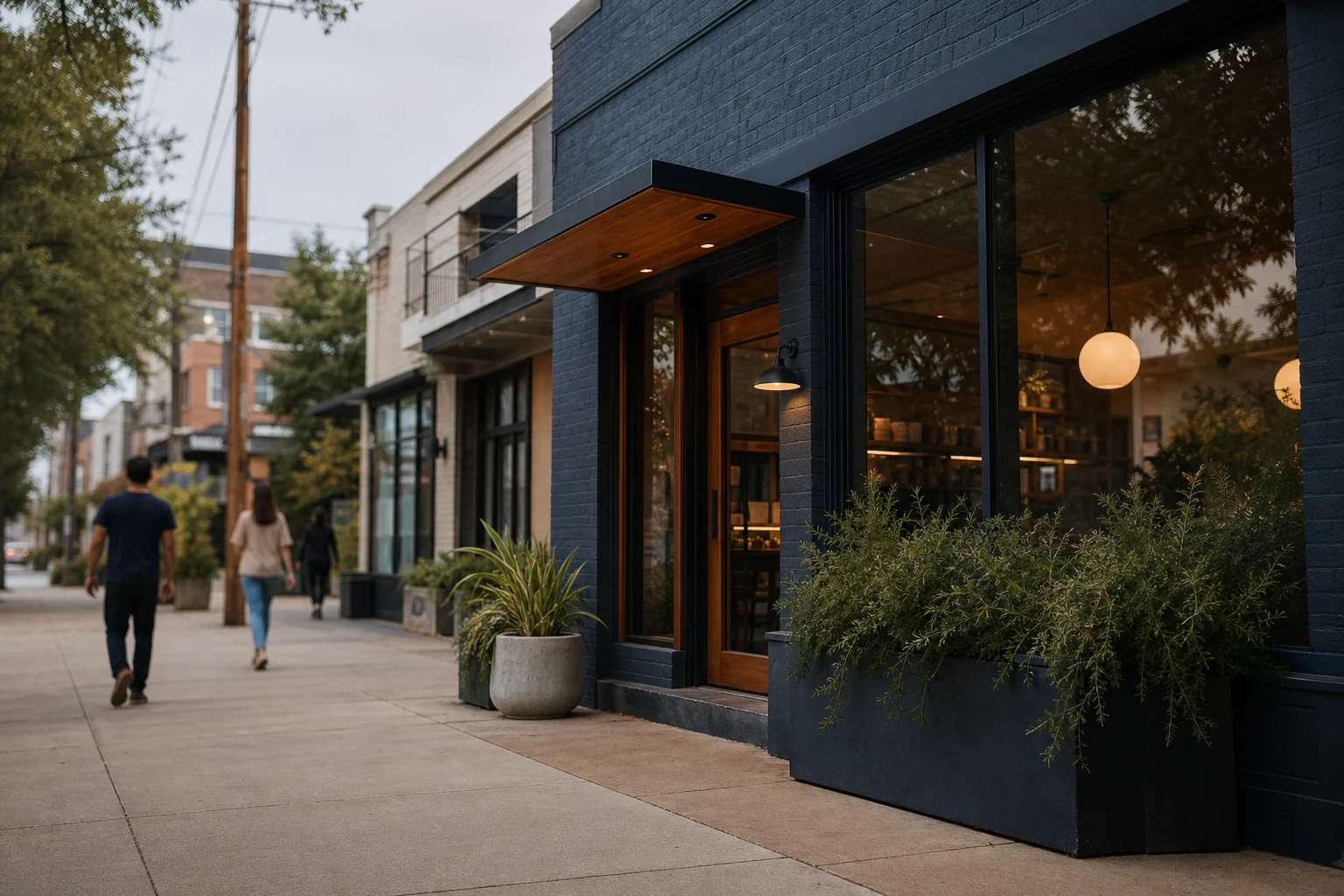
What does it cost to open a boba shop in Jacksonville?
The cost to open a boba shop in Jacksonville depends heavily on location, size, and operational complexity. Unlike many other food service businesses, boba shops require specialized equipment for tea brewing, tapioca preparation, and refrigeration systems. The local market also presents specific challenges related to rent, competition, and customer expectations that directly impact startup costs. Jacksonville's boba scene is concentrated in particular neighborhoods, each with its own cost profile and customer demographics.
Major cost categories
Lease deposit and first/last month
Your largest upfront cost will typically be securing a commercial lease. In Jacksonville, the top neighborhoods for boba shops show rent bands ranging from $16-$43/sqft/yr NNN (triple net). This means you'll need to budget for security deposits, first month's rent, and potentially last month's rent upfront. The Atlantic Beach / Neptune Beach / Jax Beach area, with an overall score of 5.5/10, represents one of the most expensive rental markets in the city, while areas like Riverside (4.6/10) offer slightly more affordable options within the same rent band.
Tenant improvements and buildout
Most boba shops require significant tenant improvements to accommodate specialized equipment, storage for ingredients, and customer seating. The condition of the space you lease will dramatically affect these costs. Older buildings may need electrical upgrades to handle commercial kitchen equipment, while spaces in newer developments might require less extensive modifications. The buildout costs will also depend on whether you're creating a full-service shop with seating or focusing on a quick-serve model.
Equipment and furniture
Boba shops require specific equipment not found in standard restaurants, including tapioca pearl cookers, specialized tea brewing systems, refrigeration for milk and toppings, and point-of-sale systems designed for beverage service. The quality and capacity of this equipment will significantly impact your initial investment. You'll also need furniture appropriate for your concept - from simple counter seating to more elaborate lounge setups if you're targeting a hangout atmosphere.
Licenses, permits, and insurance
Operating a food service business in Jacksonville requires multiple licenses and permits from city and county agencies. These include food service permits, business licenses, and potentially alcohol permits if you plan to serve certain tea-based drinks. Insurance costs will vary based on your location, size, and coverage needs, but typically include general liability, property insurance, and workers' compensation if you have employees.
Initial inventory or supplies
Your startup inventory should include a diverse selection of tea bases, milk alternatives, sweeteners, tapioca pearls, and toppings. The initial stock should be sufficient to operate for a variable local timeline without replenishment. You'll also need packaging supplies, cleaning products, and basic kitchen consumables. The variety and quality of ingredients you choose will affect both your initial costs and ongoing inventory expenses.
Pre-opening payroll and training
If you plan to hire staff before opening, you'll need to budget for their wages during training and pre-opening preparation. This includes time spent on setup, training, and initial marketing activities. The number of employees and their experience level will directly impact these costs.
Working capital reserve
Most business advisors recommend having a variable local timeline of operating expenses in reserve before opening. This reserve covers rent, payroll, inventory, and other expenses during the critical early months when revenue may be inconsistent. Many boba shops underestimate this requirement, leading to cash flow problems shortly after opening.
How Jacksonville compares to other FL markets
Jacksonville's boba shop startup costs differ from other Florida markets in several ways. Compared to Miami or Orlando, Jacksonville generally offers more affordable commercial real estate, with rent bands in prime locations typically $16-$43/sqft/yr NNN versus higher rates in coastal Florida cities. However, the market size is smaller, which can affect economies of scale for equipment purchasing and ingredient sourcing. The local competition profile also differs, with Jacksonville's boba scene concentrated in specific neighborhoods rather than spread evenly throughout the city.
What competition looks like in the top areas
Jacksonville's boba market is concentrated in five key neighborhoods, each with its own competitive landscape:
Atlantic Beach / Neptune Beach / Jax Beach (5.5/10 score): This coastal area hosts multiple established players including Nom Nom Boba Tea and More, Mistea Bubble Tea & Dessert, Taichi Bubble Tea, Q-Cup Boba Tea, Helloo Boba, Kung Fu Tea, Treata Tea Shoppe, and Mimi's Coffee and Boba Tea. The high concentration of competitors suggests a mature market with customer expectations for quality and variety.
UNF / Tinseltown (5.1/10 score): This area features Gong Cha as a notable competitor, positioned near the University of North Florida and the Tinseltown theater complex.
Southside / St Johns Town Center (4.9/10 score): Beary Boba operates in this area near the St. Johns Town Center mall, targeting both mall visitors and local residents.
Brooklyn (4.8/10 score): First Coast Cookies & Boba has established a presence in this downtown-adjacent neighborhood, leveraging the area's growing food scene.
Riverside (4.6/10 score): While this area has a lower Locavisor score, it represents an opportunity for a boba shop to serve the local community and visitors to the Riverside Arts Market.
Common cost overrun patterns
Many boba shop startups encounter unexpected costs during their first year. The most common overruns include:
Equipment upgrades: Initial budget estimates often underestimate the need for backup equipment or higher-quality systems than originally planned.
Permit delays: Jacksonville's permitting process can be lengthy, especially for spaces in historic districts or with specific zoning requirements.
Inventory waste: New operators frequently overstock ingredients, leading to spoilage and waste during the learning curve.
Marketing expenses: Achieving visibility in competitive neighborhoods often requires more marketing investment than anticipated.
Utility costs: Commercial electricity and water rates can be significantly higher than residential rates, particularly for spaces with specialized refrigeration needs.
How to validate your number before committing capital
Before committing significant capital, validate your cost assumptions through:
Lease negotiations: Secure multiple lease options and understand the total cost including NNN (triple net) expenses.
Equipment quotes: Obtain detailed quotes for all necessary equipment, including installation and warranty costs.
Local supplier relationships: Establish relationships with tea and ingredient suppliers to understand pricing and minimum order requirements.
Permit cost research: Contact the City of Jacksonville's Business Tax and License office to understand all required permits and associated fees.
Competitor analysis: Study the pricing and operations of existing boba shops like Q-Cup Boba Tea and Taichi Bubble Tea to understand market expectations.
| Cost Category | Key Validation Steps | Typical Jacksonville Considerations |
|---|---|---|
| Lease Costs | Negotiate terms, verify NNN expenses | Rent bands $16-$43/sqft/yr NNN across top neighborhoods |
| Buildout | Get contractor quotes, check permits | Historic district restrictions in some areas |
| Equipment | Multiple vendor quotes, warranty review | Specialized boba equipment may require specific electrical |
| Inventory | Supplier minimums, shelf life analysis | Perishable ingredients require careful planning |
| Permits | Contact city/county agencies | Food service permits, potentially alcohol permits |
| Insurance | Multiple quotes, coverage analysis | Liability coverage for customer consumption |
FAQ
Q: What's the average size for a profitable boba shop in Jacksonville?
A: Profitable boba shops in Jacksonville typically range from 800-1,500 square feet, depending on location and concept. Smaller shops (800-1,200 sq ft) focus on quick service with minimal seating, while larger locations (1,200-1,500 sq ft) offer more seating and potentially food options. The Atlantic Beach area, with its tourist traffic, may support smaller footprints, while neighborhoods like Southside might require more space to attract local regulars.
Q: How does Jacksonville's boba market differ from larger Florida cities?
A: Jacksonville's boba market is more neighborhood-focused, with concentrations in specific areas like Atlantic Beach rather than city-wide distribution. The customer base tends to be more local and less tourist-driven than in Miami or Orlando, affecting marketing strategies and product offerings. Rent bands ($16-$43/sqft/yr NNN) are generally more affordable than in coastal Florida's larger markets.
Q: What are the most cost-effective neighborhoods for a new boba shop?
A: Based on Locavisor scoring, Riverside (4.6/10) and Brooklyn (4.8/10) offer the most cost-effective opportunities within the $16-$43/sqft/yr NNN rent band. These areas have growing populations and less saturation than the Atlantic Beach cluster. However, they require more marketing investment to build awareness compared to established boba neighborhoods.
Last reviewed: 2026-05-30
Sources: U.S. Census Bureau ACS, LEHD LODES, Google Places, OpenStreetMap, Locavisor neighborhood scoring.
Methodology: Locavisor scores neighborhoods across demand, competition fit, rent fit, accessibility, and customer match. Scores reflect a snapshot of recent data and should be combined with on-the-ground research before lease decisions.
Disclaimer: This article provides informational content only and does not constitute legal, financial, accounting, or real-estate advice. Verify lease terms, licensing, local regulations, costs, and professional requirements with qualified local professionals before making business decisions.
Free preview shows top 3 neighborhoods. Full $9.99 report covers all 10 areas with personalized scoring + 90-day check-ins.
Informational only. Verify lease, licensing, local regulations, costs, and professional requirements with qualified local professionals.