Las Vegas, NV · boba shop
Cost to open a boba shop in Las Vegas
Opening a boba shop in Las Vegas presents unique cost considerations shaped by the city's commercial real estate market, competition density, and operational requirements. The cost structure for a boba shop in Las Vegas differs significantly from other Nevada markets due to factors like high foot traffic areas, specific neighborhood dynamics, and the competitive landscape of beverage businesses in the area.
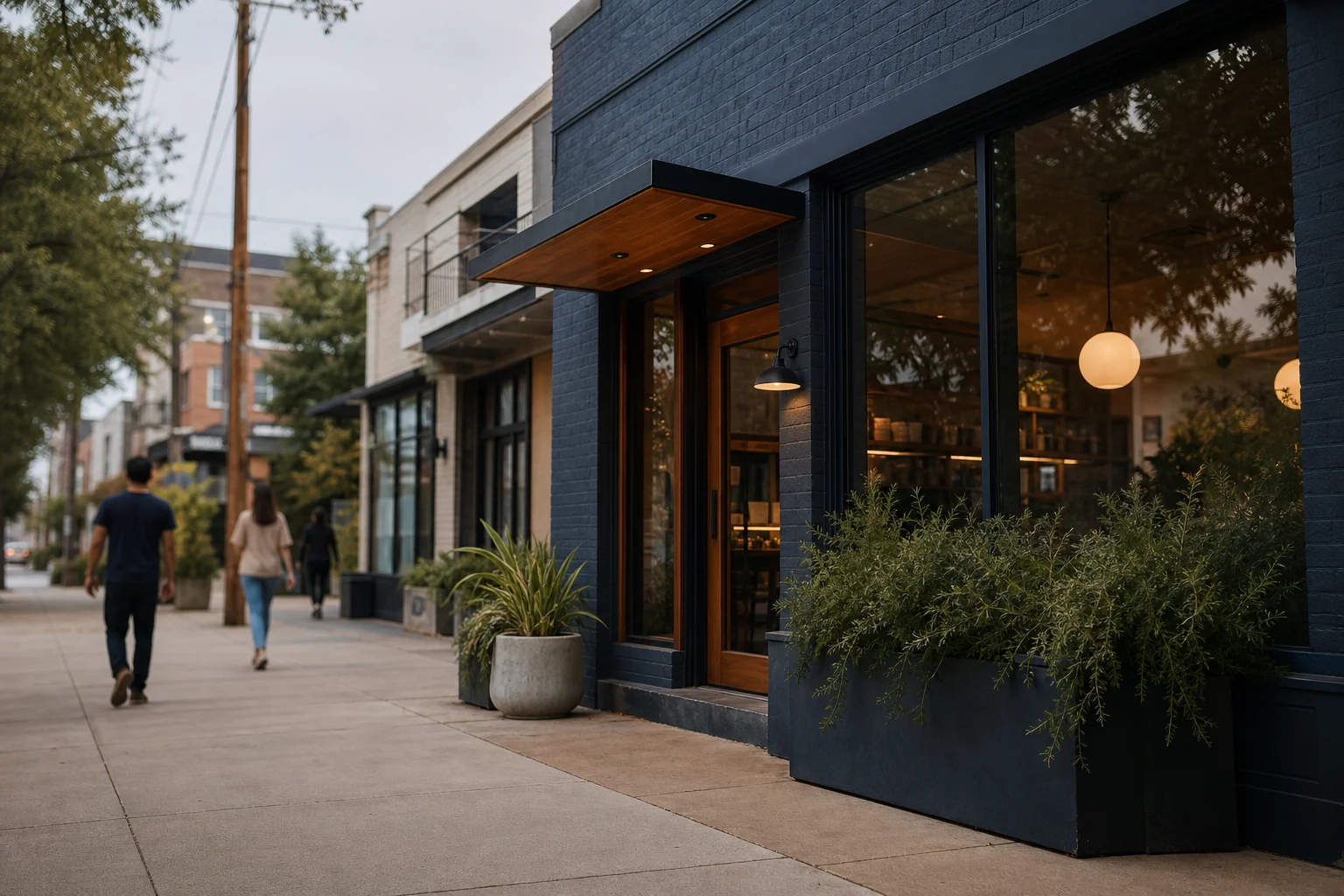
What does it cost to open a boba shop in Las Vegas?
The cost to open a boba shop in Las Vegas varies widely depending on location, size, and operational scale. Unlike many other business types, boba shops require specific equipment, prime retail locations, and a strong understanding of local consumer preferences. The total investment can range from moderate to substantial, with the largest cost components typically being lease deposits, tenant improvements, and equipment purchases.
Major cost categories
Lease deposit and first/last month
Lease costs represent one of the most significant upfront expenses for a boba shop in Las Vegas. The commercial real estate market in Las Vegas features rent bands ranging from $28-$180/sqft/yr NNN across different neighborhoods. This wide range reflects the varying desirability of locations, with prime areas commanding higher rates. For example, Green Valley, which scores 6.1/10 for boba shop viability, has rent bands of $28-$180/sqft/yr NNN, while other areas like West Las Vegas/Historic Westside score 4.9/10 with the same rent band.
When negotiating a lease, founders should anticipate paying first and last month's rent plus a security deposit, typically equal to one or two months' rent. The deposit amount varies by landlord but often ranges from a variable local timeline' rent. In competitive Las Vegas neighborhoods, securing a desirable location may require offering higher deposits or more favorable lease terms.
Tenant improvements and buildout
Tenant improvements (TI) and buildout costs can significantly impact the total startup budget. These expenses include everything from plumbing and electrical work to interior finishes and signage. In Las Vegas, buildout costs vary based on the condition of the space and the specific requirements of health and safety regulations. Some spaces may require extensive modifications to accommodate boba preparation areas, refrigeration, and customer seating.
The quality of the existing space and local building codes will determine the extent of improvements needed. For instance, spaces in newer developments like Lake Las Vegas (score 5.4/10) may require less extensive buildout than older properties in established neighborhoods. Founders should budget carefully for these improvements and work with contractors experienced in food service establishments.
Equipment and furniture
Boba shop equipment represents a substantial capital investment. Essential equipment includes tapioca pearl cookers, tea brewing systems, refrigeration units, POS systems, and customer seating. The quality and capacity of this equipment directly impact operational efficiency and customer experience. In Las Vegas, where competition includes established players like Joah Boba (4.7 stars, 197 reviews) and Boba Society (4.5 stars, 188 reviews), having reliable, efficient equipment can provide a competitive advantage.
Furniture selection also affects both customer experience and space utilization. Comfortable seating, durable tables, and attractive decor contribute to the overall ambiance but add to startup costs. Founders should balance aesthetic appeal with practical considerations like ease of cleaning and durability in a high-traffic environment.
Licenses, permits, and insurance
Obtaining the necessary licenses and permits is a critical step that involves various costs and timelines. In Las Vegas, boba shop operators must secure business licenses, health permits, and potentially alcohol permits depending on their product offerings. The Clark County Health District oversees food service establishments, while the Nevada Secretary of State handles business entity formation.
Insurance represents another necessary expense, including general liability, property insurance, and workers' compensation coverage. The specific requirements and costs vary based on location, business structure, and employee count. Founders should consult with local insurance providers to determine appropriate coverage levels for their specific operation.
Initial inventory or supplies
Stocking initial inventory requires careful planning and budgeting. Essential supplies include tapioca pearls, tea bases, syrups, milk, cups, lids, and straws. The quantity needed depends on the shop's projected opening volume and product offerings. In Las Vegas, where customer preferences may lean toward specific flavors or specialty drinks, having adequate inventory of popular items is crucial for a smooth launch.
Suppliers in the Las Vegas area can provide competitive pricing, but founders should compare options to optimize costs. Building relationships with reliable suppliers ensures consistent product quality and timely deliveries, which are essential for maintaining customer satisfaction.
Pre-opening payroll and training
Hiring and training staff before opening requires careful financial planning. Salaries for managers, baristas, and support staff represent ongoing operational costs that begin before revenue generation. In Las Vegas, competitive wages may be necessary to attract qualified candidates, especially in areas with high foot traffic like UNLV Campus/Maryland Pkwy (score 5.9/10).
Training programs ensure staff can prepare drinks consistently and provide excellent customer service. This investment in human capital pays dividends through improved customer experiences and operational efficiency. Founders should budget for training materials, manager time, and potential overtime during the pre-opening period.
Working capital reserve
Maintaining a working capital reserve is essential for covering unexpected expenses and sustaining operations during the initial months. Many new businesses experience slower-than-expected revenue growth, making a financial buffer critical for survival. In Las Vegas's dynamic market, unexpected costs can arise from equipment repairs, supply chain disruptions, or changes in local regulations.
A working capital reserve should cover at least a variable local timeline of operating expenses. This buffer provides flexibility to adapt to market conditions and ensures the business can weather early challenges without compromising quality or service.
How Las Vegas compares to other NV markets
Las Vegas presents a unique commercial environment compared to other Nevada markets. The city's tourism-driven economy, high foot traffic, and competitive food and beverage scene create both opportunities and challenges for boba shop founders. While rent bands in Las Vegas ($28-$180/sqft/yr NNN) are comparable to other major Nevada markets, the potential customer base and revenue opportunities may differ significantly.
Areas like Green Valley (6.1/10 score) and UNLV Campus/Maryland Pkwy (5.9/10 score) offer strong residential and student populations, while locations near the Las Vegas Strip may attract more tourist traffic. Each market segment has different cost structures and revenue potential, requiring founders to carefully evaluate which aligns best with their business model and target customers.
What competition looks like in the top areas
The boba shop landscape in Las Vegas features established competitors across top neighborhoods. Green Valley, the highest-scoring area (6.1/10), hosts multiple successful operators including Joah Boba (4.7 stars, 197 reviews), Boba Society (4.5 stars, 188 reviews), and TK's Boba & Creamery (4.9 stars, 1437 reviews). These businesses demonstrate the viability of the market but also highlight the need for differentiation.
Other competitive areas include UNLV Campus/Maryland Pkwy (5.9/10), which benefits from student traffic, and Town Square/South Strip (5.4/10), which offers access to both local residents and tourists. Understanding the strengths and weaknesses of existing competitors helps founders position their business effectively and identify opportunities for innovation.
Common cost overrun patterns
Several cost overrun patterns frequently impact boba shop startups in Las Vegas. Underestimating buildout costs is common, as hidden structural issues or unexpected code requirements can significantly increase expenses. Equipment purchases often exceed budgets, especially when founders opt for higher-quality or specialized machinery.
Inventory mismanagement can also lead to cost overruns, with overstocking tying up capital or understocking disrupting operations. Additionally, founders may overlook certain permits or licenses, resulting in unexpected fees and delays. Careful planning and contingency budgeting can help mitigate these risks.
How to validate your number before committing capital
Validating cost assumptions is crucial before committing significant capital. Founders should research comparable lease rates in their target neighborhood, consult with local contractors about buildout costs, and obtain multiple equipment quotes. Speaking with existing boba shop operators in Las Vegas can provide valuable insights into real-world expenses and challenges.
Creating detailed financial projections based on realistic revenue assumptions helps assess the viability of the business model. Founders should also consider engaging with local business advisors or mentors who understand the Las Vegas market. This validation process reduces uncertainty and increases the likelihood of a successful launch.
| Neighborhood | Locavisor score | Rent band | Local operator signal | Founder validation check |
|---|---|---|---|---|
| Green Valley | 6.1/10 | $28-$180/sqft/yr NNN | Joah Boba, Boba Society | Validate lease terms, buildout condition, equipment scope, and reserves. |
| UNLV Campus / Maryland Pkwy | 5.9/10 | $28-$180/sqft/yr NNN | BREW TEA BAR, Itea Boba & Dessert | Validate lease terms, buildout condition, equipment scope, and reserves. |
| Lake Las Vegas | 5.4/10 | $28-$180/sqft/yr NNN | Oba Boba North Outlets, Tea Bar | Validate lease terms, buildout condition, equipment scope, and reserves. |
| Town Square / South Strip | 5.4/10 | $28-$180/sqft/yr NNN | Chewy Boba Company, Cactus Bubble Tea | Validate lease terms, buildout condition, equipment scope, and reserves. |
| West Las Vegas / Historic Westside | 4.9/10 | $28-$180/sqft/yr NNN | Oba Boba North Outlets, Tea Bar | Validate lease terms, buildout condition, equipment scope, and reserves. |

FAQ
What are the best neighborhoods for a boba shop in Las Vegas?
The top neighborhoods for boba shops in Las Vegas, according to Locavisor scoring, are Green Valley (6.1/10), UNLV Campus/Maryland Pkwy (5.9/10), Lake Las Vegas (5.4/10), Town Square/South Strip (5.4/10), and West Las Vegas/Historic Westside (4.9/10). These areas offer varying rent bands of $28-$180/sqft/yr NNN and different customer demographics.
How does competition affect startup costs in Las Vegas?
Competition in Las Vegas can influence startup costs in several ways. In areas with established boba shops like Green Valley, founders may need to invest more in differentiation through unique offerings or superior customer experience. Competitive lease negotiations may also be affected by the presence of existing businesses. However, established competition can validate market demand, reducing some startup risks.
What permits are required to open a boba shop in Las Vegas?
Boba shops in Las Vegas require business licenses from the city, health permits from the Clark County Health District, and potentially other permits depending on location and specific operations. Founders should consult with local authorities to ensure compliance with all regulations before opening.
Last reviewed: 2026-05-30
Sources: U.S. Census Bureau ACS, LEHD LODES, Google Places, OpenStreetMap, Locavisor neighborhood scoring.
Methodology: Locavisor scores neighborhoods across demand, competition fit, rent fit, accessibility, and customer match. Scores reflect a snapshot of recent data and should be combined with on-the-ground research before lease decisions.
Disclaimer: This article provides informational content only and does not constitute legal, financial, accounting, or real-estate advice. Verify lease terms, licensing, local regulations, costs, and professional requirements with qualified local professionals before making business decisions.
Free preview shows top 3 neighborhoods. Full $9.99 report covers all 10 areas with personalized scoring + 90-day check-ins.
Informational only. Verify lease, licensing, local regulations, costs, and professional requirements with qualified local professionals.