Los Angeles, CA · boba shop
Cost to open a boba shop in Los Angeles
Opening a boba shop in Los Angeles requires careful planning and understanding of the startup costs involved. The cost to open a boba shop in Los Angeles varies significantly based on location, size, and operational approach. Before investing capital, founders must validate key assumptions about their business model and local market conditions.
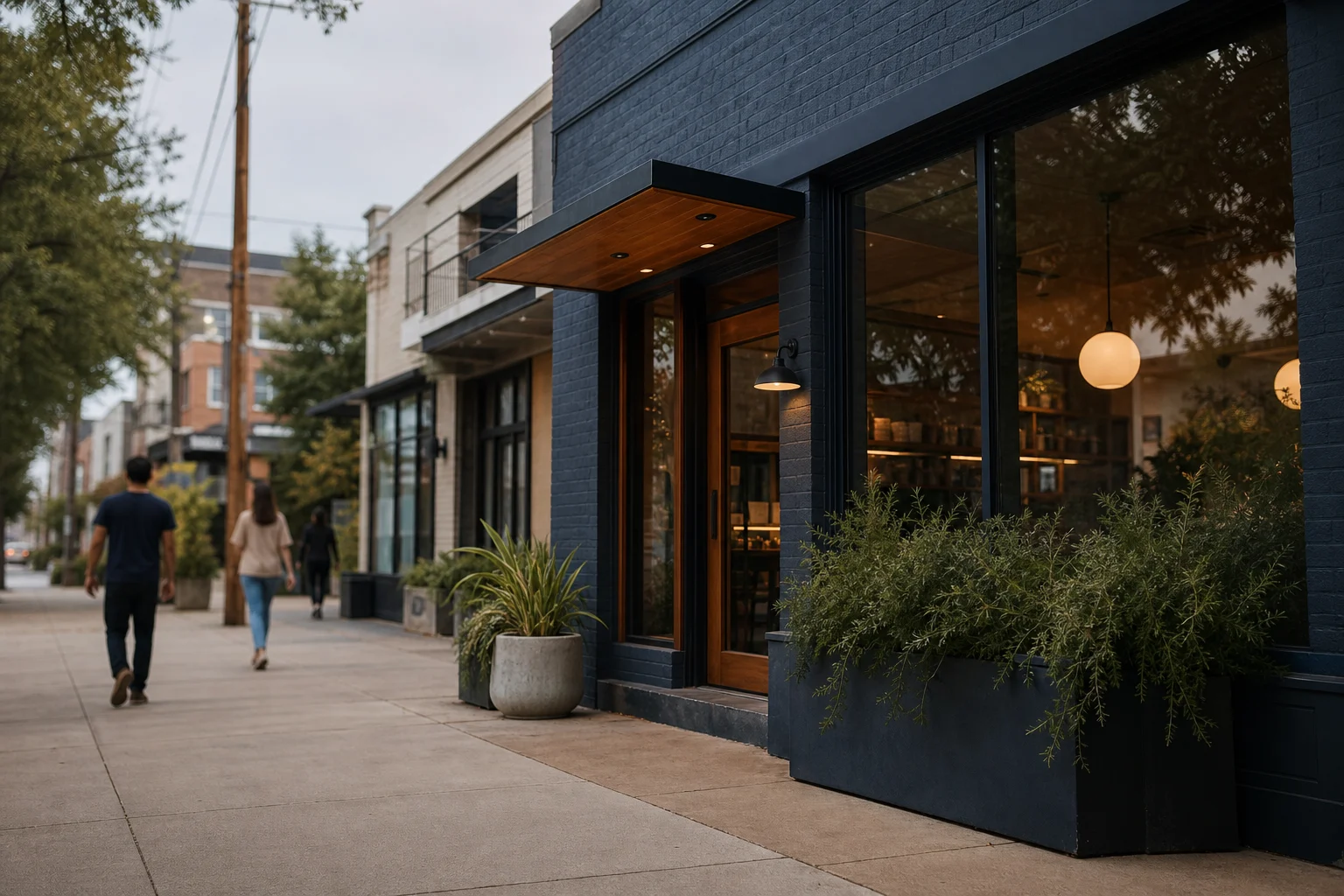
Main startup cost categories
The startup cost stack for a boba shop in Los Angeles consists of several key categories. Each category requires validation before committing funds. Rent typically represents the largest fixed cost, followed by buildout, equipment, permits, hiring, and opening inventory. Cash reserves for the initial operating period are also critical. Understanding these categories helps founders allocate resources effectively and avoid common cost traps that can derail new businesses.
Rent and lease assumptions in Los Angeles
Los Angeles presents a mixed market temperature with medium competition density and low rent levels. The rent level in Los Angeles is low compared to other major cities, which can help reduce fixed costs for new boba shop owners. Locavisor neighborhood scoring identifies three promising areas for boba shop startups:
Downtown LA (DTLA) (6.5/10) — DTLA's maxed-out office density and walkability scores create strong lunchtime foot traffic, but boba conversion is uncertain — office workers grabbing coffee at Philz (4.5★, 1,185 reviews) or 85°C (4.3★, 573 reviews) may not switch to tea. No direct boba competitors detected, which signals either opportunity or a market that hasn't validated demand.
Burbank (6.3/10) — Burbank's media-studio workforce (Disney, Warner Bros) drives a strong lunch daypart, and the downtown Burbank station area is walkable with good transit. No boba competitors found in the scan, but the coffee scene is dense — Republik Coffee (4.5★, 360 reviews), Cafe Grano (4.7★, 198 reviews), and The Coffee Bean & Tea Leaf (4.3★, 467 reviews) all within 400m. Expect roughly $30-50/sqft NNN.
Hollywood (6.1/10) — Hollywood delivers tourist foot traffic (Walk of Fame, Ovation Hollywood, TCL Chinese Theatre) plus strong residential density and Metro Red Line access. But boba demand from tourists is unproven — they're here for the spectacle, not milk tea. The coffee scene is thin compared to DTLA or Sawtelle, which is actually a plus. Expect roughly $30-50/sqft NNN.
Each area offers unique advantages and challenges. DTLA provides strong foot traffic but uncertain boba conversion. Burbank has a concentrated workforce but faces intense coffee competition. Hollywood attracts tourists but their boba preferences remain unproven. Founders should validate foot traffic patterns and customer preferences in their chosen location before signing a lease.
Buildout, equipment, payroll, opening inventory, permits, and cash reserve
Buildout costs depend on the condition of the space and the desired aesthetic. A boba shop requires specific infrastructure including plumbing for sinks, electrical for multiple appliances, and ventilation for cooking equipment. Equipment costs include boba machines, refrigeration, POS systems, furniture, and decor. Payroll expenses must account for staffing during both training and regular operations. Opening inventory requires sufficient ingredients to meet initial demand without excessive waste. Permits and licenses are necessary for food service operation and must be obtained before opening. Cash reserves should cover at least three months of operating expenses to weather the initial ramp-up period.
The low rent level in Los Angeles helps offset some of these costs, but founders must still carefully plan each expense category. Market temperature and competition density in the chosen location will impact the required investment level. Areas with higher competition may require more investment in differentiation, while areas with unproven demand may require additional marketing spend to educate customers.
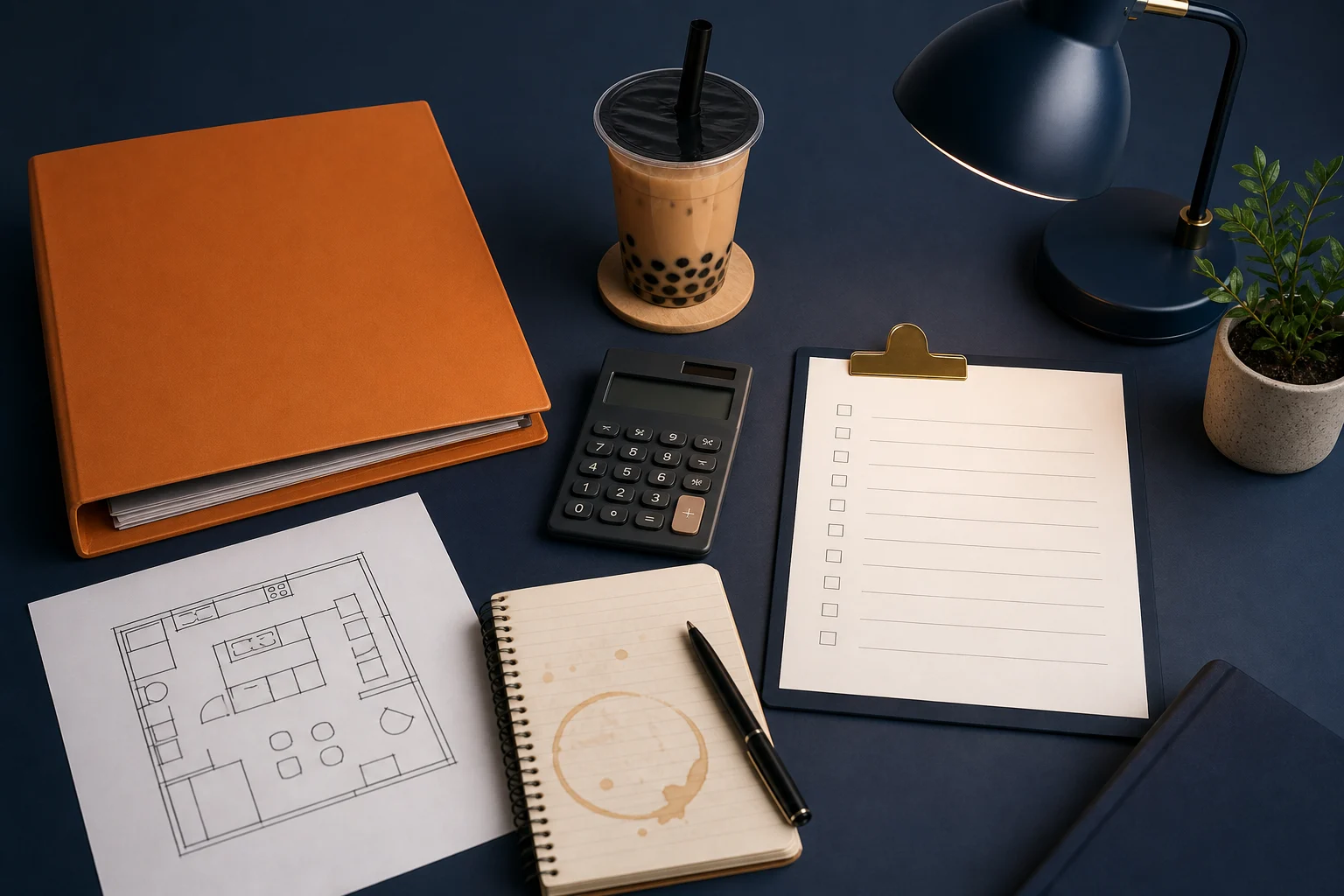
Lean vs moderate vs generous launch budgets
A lean launch budget focuses on minimal viable operations with essential equipment and staffing. This approach reduces initial investment but may limit growth potential and customer experience. A moderate budget allows for better equipment, more comprehensive staffing, and a more polished customer experience. A generous budget enables premium equipment, additional staffing, marketing campaigns, and a more elaborate buildout. The appropriate budget depends on the founder's risk tolerance, available capital, and market validation.
Founders should consider the trade-offs between investment levels and potential returns. A lean approach may work in areas with proven demand and lower competition, while a more generous approach may be necessary in areas with higher competition or unproven demand. The key is to align the budget with the specific market conditions and business model.
What to validate before spending money
Before committing significant capital, founders must validate several key assumptions. Lease assumptions should include foot traffic patterns, customer demographics, and operating hours alignment with local demand. Buildout scope must be validated against local building codes and health department requirements. Equipment lists should be based on actual operational needs rather than aspirational desires. Payroll models must account for realistic staffing needs and wage requirements. Opening inventory levels should be based on projected sales and supplier lead times. Cash reserves should be sufficient to cover unexpected expenses and slow initial sales. Finally, local professional review from attorneys, accountants, and industry experts can identify potential issues before they become costly problems.
Validation reduces risk and increases the likelihood of success. Founders should conduct thorough research, gather data, and test assumptions before making significant financial commitments. The low rent level in Los Angeles provides some buffer, but careful validation is still essential to avoid common cost traps.
FAQ
How much does it cost to open a Boba Shop in Los Angeles?
The exact total cost to open a boba shop in Los Angeles cannot be estimated from the provided data. Startup costs vary significantly based on location, size, equipment quality, staffing levels, and operational approach. Founders should validate key assumptions about rent, buildout, equipment, permits, payroll, opening inventory, and cash reserves before determining their specific startup costs. The low rent level in Los Angeles helps reduce fixed costs, but other expenses can vary widely based on the chosen location and business model. A thorough validation process is essential to develop an accurate cost estimate for your specific boba shop venture.
Last reviewed: 2026-05-05
Sources: U.S. Census Bureau ACS, LEHD LODES, Google Places, OpenStreetMap, Locavisor neighborhood scoring.
Methodology: Locavisor scores neighborhoods across demand, competition fit, rent fit, accessibility, and customer match. Scores reflect a snapshot of recent data and should be combined with on-the-ground research before lease decisions.
Disclaimer: This article provides informational content only and does not constitute legal, financial, accounting, or real-estate advice. Verify lease terms, licensing, local regulations, costs, and professional requirements with qualified local professionals before making business decisions.
Free preview shows top 3 neighborhoods. Full $9.99 report covers all 10 areas with personalized scoring + 90-day check-ins.
Informational only. Verify lease, licensing, local regulations, costs, and professional requirements with qualified local professionals.