Minneapolis, MN · boba shop
Cost to open a boba shop in Minneapolis
The cost to open a boba shop in Minneapolis depends on several factors including location, buildout quality, equipment needs, and staffing requirements. Minneapolis presents a mixed market temperature with medium competition density and relatively low rent levels, making it an interesting market for new boba entrepreneurs. 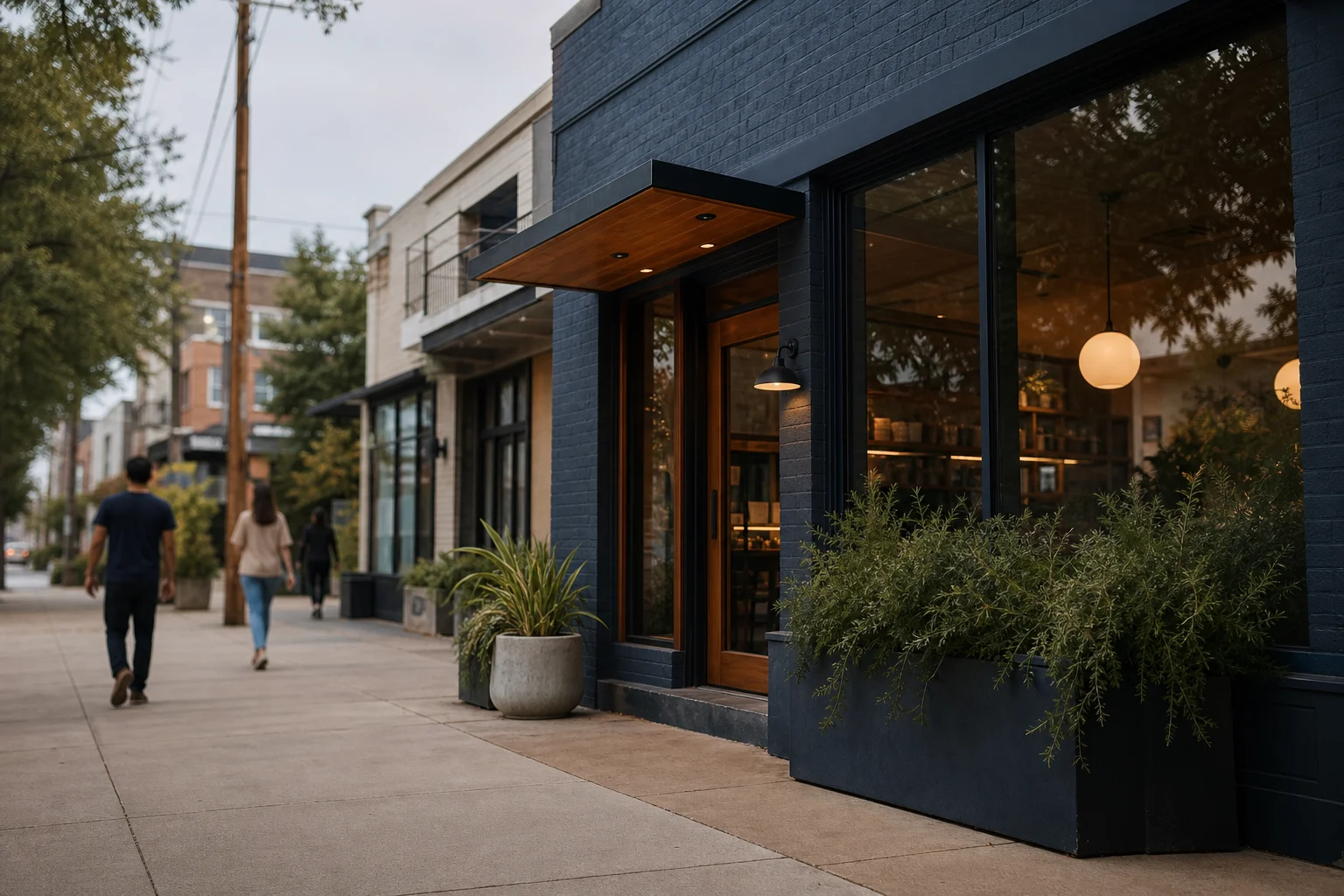
Main startup cost categories
Opening a boba shop involves several key cost categories that entrepreneurs need to plan for carefully. These include rent and lease assumptions, buildout and equipment costs, payroll expenses, opening inventory, permits and licensing fees, and cash reserves for the initial launch period. Each category requires specific research and planning to ensure your business gets off to a strong start.
The Minneapolis market offers opportunities particularly in areas with high student density, which creates consistent demand for boba products. Understanding the cost structure for each category helps entrepreneurs develop realistic budgets and avoid common financial pitfalls that can sink new businesses.
Rent and lease assumptions in Minneapolis
Rent represents one of the largest fixed costs for any boba shop, and Minneapolis offers relatively low rent levels compared to other major markets. According to Locavisor neighborhood scoring, the best area for a boba shop in Minneapolis is Dinkytown (7.0/10), where you can expect roughly $30-50/sqft NNN. This area is positioned as ideal for a takeout-first boba concept near the University of Minnesota, with proven demand and excellent walkability.
Dinkytown places you on the U of M east bank at 4th St + 14th Ave, surrounded by 50,000+ students within a 10-minute walk. The area already has three existing boba shops: Niko Niko Boba at 4.3★/425 reviews, Kung Fu Tea at 3.7★/205 reviews, and Boba X Ramen at 4.5★/20 reviews. This competition density is medium, indicating market presence without saturation.
Two other promising areas in Minneapolis include Stadium Village (6.8/10) and Cedar-Riverside (6.7/10). Stadium Village sits just east of Dinkytown along Washington Ave SE, anchored by TCF Bank Stadium and the U of M campus. It features maxed-out student density and strong transit via the Stadium Village light-rail station. Boba X (Wahu Apartments) operates in this area at 4.0★/61 reviews.
Cedar-Riverside (Cedar Ave + Riverside) represents an under-served market opportunity. This dense, walkable corridor is anchored by Augsburg University and the U of M West Bank, with a light-rail station at its core. The area has strong student density and above-average daytime population, yet no boba shop operates directly in Cedar-Riverside—the closest are 1.5km away in Dinkytown.
Buildout, equipment, payroll, opening inventory, permits, and cash reserve
Beyond rent, buildout represents a significant cost category for boba shops. This includes construction, plumbing, electrical work, ventilation systems, and interior design elements that create an inviting customer experience. The scope of buildout can vary dramatically depending on whether you're renovating an existing space or constructing from the ground up.
Equipment costs include essential boba-making machinery such as tea brewers, refrigeration units, blenders, and specialized boba preparation tools. You'll also need point-of-sale systems, furniture, and decor that align with your brand identity. The quality and capacity of your equipment directly impact operational efficiency and product consistency.
Payroll expenses encompass not just employee salaries but also payroll taxes, benefits, and training costs. A typical boba shop requires staff for drink preparation, customer service, and management. The Minneapolis market offers access to a diverse workforce, but competitive wages may be necessary to attract skilled employees, especially in high-demand areas like Dinkytown.
Opening inventory includes tea leaves, milk alternatives, sweeteners, tapioca pearls, cups, lids, straws, and other supplies needed for initial operations. Inventory costs can vary based on product variety and supplier relationships. Building relationships with reliable suppliers early can help control these costs over time.
Permits and licensing fees cover business registration, health department permits, food handler certifications, and other regulatory requirements. Minneapolis has specific requirements for food service businesses that must be addressed before opening. These costs can add up quickly and should be factored into your budget planning.
Cash reserves represent the funds needed to cover expenses before your business becomes profitable. This includes several months of operating costs, marketing expenses, and unexpected costs that may arise during the launch phase. Having adequate cash reserves provides a buffer that can help your business weather challenges during the critical early months.

Lean vs moderate vs generous launch budgets
Entrepreneurs should consider different budget approaches based on their financial resources and risk tolerance. A lean launch budget focuses on minimizing upfront costs by opting for smaller spaces, used equipment, and minimal buildout. This approach reduces initial investment but may limit growth potential and operational efficiency.
A moderate launch budget strikes a balance between cost control and quality. This approach typically includes new equipment, functional but not extravagant buildout, and adequate staffing. It provides a solid foundation for operations while maintaining financial discipline.
A generous launch budget allows for premium locations, high-end equipment, extensive buildout, and robust marketing. This approach maximizes initial impact and customer experience but requires significant capital investment. In Minneapolis's mixed market temperature, a moderate approach often provides the best balance of risk and reward.
What to validate before spending money
Before committing significant funds to your boba shop venture, several key assumptions should be validated through thorough research. Lease assumptions require careful examination of not just rent costs but also lease terms, renewal options, and potential hidden expenses like common area maintenance fees.
Buildout scope should be validated by obtaining multiple contractor bids and understanding the full scope of work required. Equipment needs should be based on detailed operational plans rather than aspirational wish lists. Consider both initial purchase costs and long-term maintenance requirements when evaluating equipment options.
Payroll models should reflect realistic staffing needs based on projected customer traffic and sales volume. Consider factors like minimum wage requirements, overtime potential, and benefits costs when developing your payroll budget.
Opening inventory requirements should be validated through supplier consultations and industry benchmarks. Consider shelf life, storage requirements, and ordering lead times when planning your initial inventory levels.
Cash reserve needs should be based on detailed financial projections that account for both fixed and variable costs. Consider seasonal fluctuations in customer traffic and potential unexpected expenses when determining your required cash reserves.
Finally, engage local professionals including attorneys, accountants, and business consultants who understand the Minneapolis market. Their insights can help you avoid costly mistakes and position your boba shop for long-term success.
FAQ
How much does it cost to open A Boba Shop in Minneapolis?
The exact total cost to open a boba shop in Minneapolis cannot be estimated from the provided data. Startup costs vary significantly based on location, buildout quality, equipment needs, staffing requirements, and other factors. Entrepreneurs should validate key variables including lease assumptions, buildout scope, equipment requirements, payroll models, opening inventory needs, and cash reserves before developing a comprehensive budget. The Minneapolis market offers relatively low rent levels compared to other major markets, with NNN rent expectations of roughly $30-50/sqft in prime areas like Dinkytown, but other costs can vary widely based on individual business decisions and market conditions.
Last reviewed: 2026-05-08
Sources: U.S. Census Bureau ACS, LEHD LODES, Google Places, OpenStreetMap, Locavisor neighborhood scoring.
Methodology: Locavisor scores neighborhoods across demand, competition fit, rent fit, accessibility, and customer match. Scores reflect a snapshot of recent data and should be combined with on-the-ground research before lease decisions.
Disclaimer: This article provides informational content only and does not constitute legal, financial, accounting, or real-estate advice. Verify lease terms, licensing, local regulations, costs, and professional requirements with qualified local professionals before making business decisions.
Free preview shows top 3 neighborhoods. Full $9.99 report covers all 10 areas with personalized scoring + 90-day check-ins.
Informational only. Verify lease, licensing, local regulations, costs, and professional requirements with qualified local professionals.