Philadelphia, PA · boba shop
Cost to open a boba shop in Philadelphia
Opening a boba shop in Philadelphia presents a unique opportunity in a city with growing demand for specialty tea beverages. The startup costs for a boba shop in Philadelphia depend heavily on location, size, and operational scale. Philadelphia's diverse neighborhoods offer different rent structures, customer demographics, and competitive landscapes that directly impact your initial investment requirements.
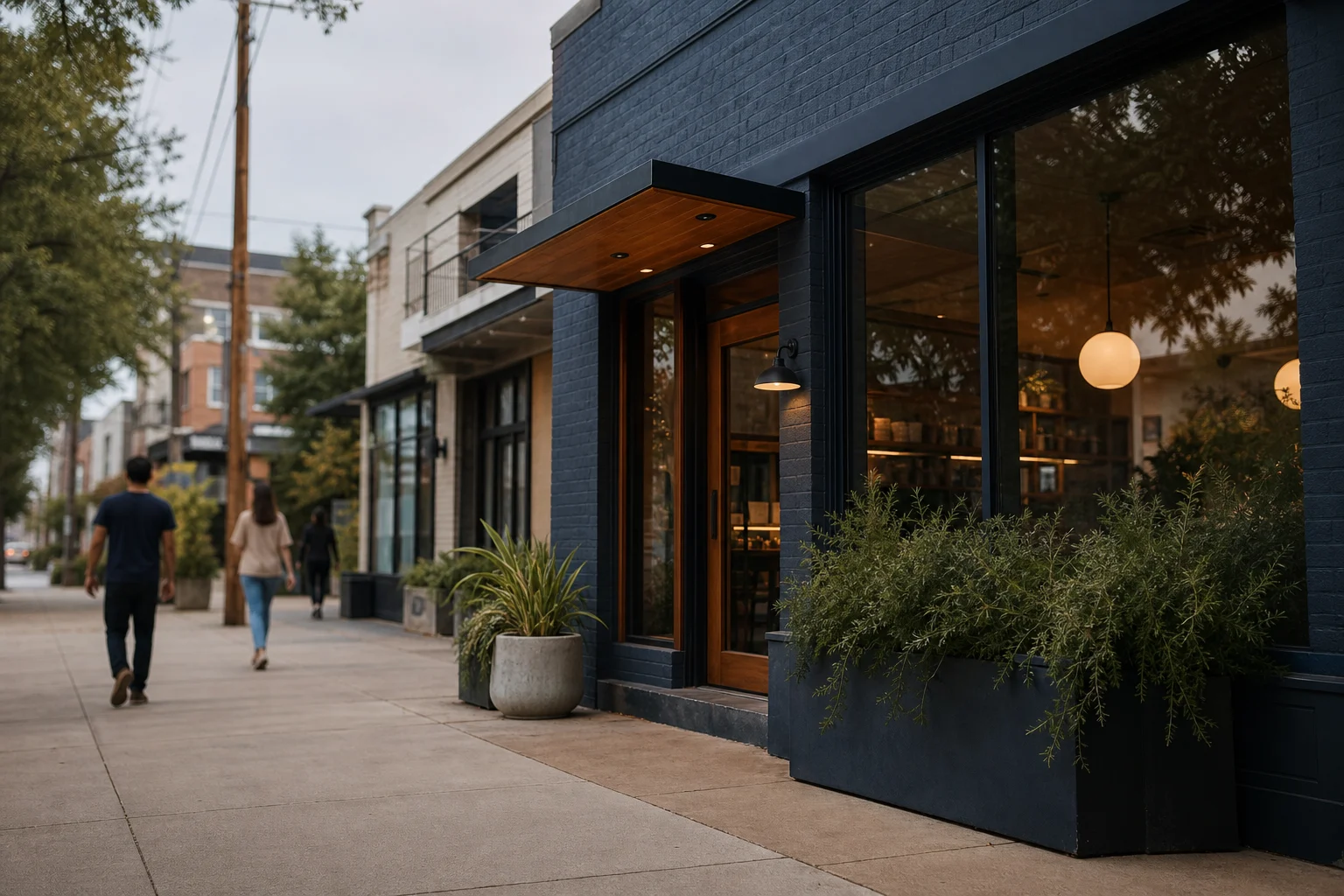
What does it cost to open a boba shop in Philadelphia?
The cost to open a boba shop in Philadelphia varies significantly based on several key factors including location, size, and operational complexity. Unlike many other food service businesses, boba shops require specialized equipment for tea brewing, tapioca preparation, and refrigeration systems. The Philadelphia market presents both opportunities and challenges for new boba shop owners, with certain neighborhoods commanding higher rents but potentially offering better foot traffic and customer demographics.
Major cost categories
Lease deposit and first/last month
Your lease deposit and first/last month's rent represent one of the largest upfront costs when opening a boba shop in Philadelphia. The deposit typically ranges from one to three months' rent, while first and last month's rent must be paid before you can take possession of the space. In Philadelphia's competitive neighborhoods, securing a desirable location often requires offering a larger deposit or multiple months' rent upfront.
Tenant improvements and buildout
Tenant improvements and buildout costs can vary dramatically depending on the condition of the space you lease. If you're taking over an existing food service location, your costs may be minimal. However, converting a retail or office space into a boba shop typically requires significant renovation work including plumbing for sinks and ice machines, electrical work for specialized equipment, and flooring suitable for a food service environment.
Equipment and furniture
Boba shops require specialized equipment that differs from standard coffee shops or restaurants. This includes tea brewing systems, tapioca pearl cookers, refrigeration units for milk and toppings, POS systems designed for quick-service beverage operations, and display cases for ingredients. The quality and capacity of this equipment directly impact both your initial investment and ongoing operational costs.
Licenses, permits, and insurance
Operating a food service business in Philadelphia requires multiple licenses and permits from city and state agencies. These include food service permits, health department inspections, and potentially liquor licenses if you plan to serve alcoholic beverages. Insurance costs for a boba shop typically include general liability, property insurance, and workers' compensation coverage.
Initial inventory or supplies
Your initial inventory investment includes tea leaves, milk, sweeteners, tapioca pearls, cups, lids, straws, and other consumable supplies. The scale of this investment depends on your projected opening sales volume and the variety of products you plan to offer. Many new boba shop owners underestimate the cost of maintaining adequate inventory during the critical first few months of operation.
Pre-opening payroll and training
Before opening your doors, you'll need to budget for pre-opening payroll including your own salary, any partners' compensation, and training for your initial staff. Training costs can be significant, especially if you're developing proprietary recipes or service standards that differ from industry norms.
Working capital reserve
A working capital reserve is essential for covering unexpected expenses and bridging the gap between opening and achieving profitability. Most financial advisors recommend having at least three to six months of operating expenses in reserve when launching a new business.
How Philadelphia compares to other PA markets
Philadelphia's boba shop startup costs differ from other Pennsylvania markets due to its larger population, higher rent structures, and more competitive food service landscape. Compared to smaller Pennsylvania cities, Philadelphia offers greater customer density and higher foot traffic, but at the cost of increased competition and higher operational expenses. The city's diverse neighborhoods create varied cost structures, with downtown and university-adjacent areas commanding premium rents while residential neighborhoods may offer more affordable options.
What competition looks like in the top areas
Philadelphia's boba shop landscape is concentrated in specific neighborhoods with high foot traffic and customer demand. The top neighborhoods for boba shops, according to Locavisor research, include Powelton Village, University City, Brewerytown, Mt Airy, and Fairmount/Art Museum Area. Each of these areas presents different competitive dynamics and customer profiles.
In Powelton Village, you'll find established players like Boba King, Gong cha-University City, Hue Boba Cafe, Kung Fu Tea, Vivi Bubble Tea, bobaface, and Teazzi Tea Shop. This neighborhood scores 6.5/10 with rent bands of $21-$70/sqft/yr NNN, making it a premium location with significant competition. The presence of multiple established boba shops indicates strong customer demand but also means new entrants must differentiate themselves to capture market share.
University City, scoring 5.9/10 with the same $21-$70/sqft/yr NNN rent band, offers proximity to universities and office complexes. While specific boba shop listings in this area aren't as dense as Powelton Village in our data, the neighborhood's student population and daytime office workers create consistent demand for quick-service beverages.
Brewerytown, with a score of 5.7/10 and $21-$70/sqft/yr NNN rent band, hosts competitors like The king of bubble tea, Bubble Tea Room, OneZo Bubble Tea - Philadelphia, and S&P Boba Tea. This neighborhood presents opportunities for boba shops that can serve both local residents and visitors to the area's developing commercial spaces.
Mt Airy, scoring 5.5/10 with the same rent structure, features YoMi Milk Tea among its boba shop options. This neighborhood may offer slightly lower competition density but requires understanding the local customer preferences and spending patterns.
Fairmount/Art Museum Area, with a 5.4/10 score and $21-$70/sqft/yr NNN rent band, combines residential density with cultural attractions, potentially creating a customer base interested in specialty beverages.
Neighborhood Comparison: Top Areas for Boba Shop Locations
| Neighborhood | Locavisor Score | Rent Band | Key Anchors | Competition Density |
|---|---|---|---|---|
| Powelton Village | 6.5/10 | $21-$70/sqft/yr NNN | The Shops at Liberty Place, University of Pennsylvania | High (7+ established shops) |
| University City | 5.9/10 | $21-$70/sqft/yr NNN | uCity Square, Saint Joseph's University | Medium (limited data) |
| Brewerytown | 5.7/10 | $21-$70/sqft/yr NNN | Sullivan Progress Plaza, The Lofts at Brewerytown | Medium (4+ established shops) |
| Mt Airy | 5.5/10 | $21-$70/sqft/yr NNN | Market Square, United Lutheran Seminary | Low-Medium (1+ established shop) |
| Fairmount/Art Museum Area | 5.4/10 | $21-$70/sqft/yr NNN | The Shops at Liberty Place, Pennsylvania Academy of the Fine Arts | Low (no direct competitors in data) |
Common cost overrun patterns
Many boba shop owners in Philadelphia encounter unexpected costs during their startup phase. Common overruns include underestimating buildout requirements, especially when dealing with older buildings that may require unexpected plumbing or electrical upgrades. Equipment costs often exceed initial budgets, particularly when specialized boba-making machinery is needed. Inventory management can also lead to cost overruns, as new owners frequently stock excessive amounts of perishable ingredients or fail to account for the learning curve in managing supply chains.
Another common issue is underestimating the time required to obtain necessary permits and licenses, which can delay openings and increase holding costs for leased spaces. Philadelphia's regulatory environment, while standard for major cities, requires careful navigation to avoid delays and additional expenses.
How to validate your number before committing capital
Before committing significant capital to your boba shop venture in Philadelphia, it's essential to validate your cost assumptions through thorough research and planning. Start by obtaining actual lease quotes for spaces in your target neighborhoods rather than relying on general rent band information. Visit potential locations and assess the condition of the space to better estimate buildout costs.
Research equipment costs by contacting multiple suppliers and comparing both initial purchase prices and ongoing maintenance expenses. Speak with existing boba shop owners in Philadelphia, if possible, to understand real-world operational costs and common challenges. Create detailed financial projections that account for both best-case and worst-case scenarios.
Consider hiring a professional to review your business plan and cost estimates. An accountant or business advisor with experience in the food service industry can identify potential oversights and help you develop more realistic financial models. Finally, test your concept through pop-up events or temporary setups to gauge customer response and refine your product offerings before making a full commitment.
FAQ
Q: What are the most affordable neighborhoods in Philadelphia to open a boba shop?
A: Based on Locavisor research, Brewerytown and Mt Airy offer relatively more affordable options compared to premium neighborhoods like Powelton Village, though all top neighborhoods have rent bands of $21-$70/sqft/yr NNN. Brewerytown scores 5.7/10 while Mt Airy scores 5.5/10, indicating good potential with slightly lower competition density than the highest-ranked areas.
Q: How does Philadelphia's boba shop market compare to New York or Los Angeles?
A: Philadelphia's boba shop market is less saturated than major coastal cities, offering opportunities for new entrants. However, customer expectations and operational costs remain significant. Philadelphia's diverse neighborhoods create varied market dynamics, with university areas and downtown locations commanding premium rents similar to other major cities.
Q: What permits are required to open a boba shop in Philadelphia?
A: Opening a boba shop in Philadelphia requires several permits including food service permits from the Philadelphia Department of Public Health, business licenses from the city, and potentially additional certifications depending on your specific operations. It's essential to contact the relevant city and state agencies early in your planning process to understand all requirements.
Last reviewed: 2026-05-30
Sources: U.S. Census Bureau ACS, LEHD LODES, Google Places, OpenStreetMap, Locavisor neighborhood scoring.
Methodology: Locavisor scores neighborhoods across demand, competition fit, rent fit, accessibility, and customer match. Scores reflect a snapshot of recent data and should be combined with on-the-ground research before lease decisions.
Disclaimer: This article provides informational content only and does not constitute legal, financial, accounting, or real-estate advice. Verify lease terms, licensing, local regulations, costs, and professional requirements with qualified local professionals before making business decisions.
Free preview shows top 3 neighborhoods. Full $9.99 report covers all 10 areas with personalized scoring + 90-day check-ins.
Informational only. Verify lease, licensing, local regulations, costs, and professional requirements with qualified local professionals.