San Diego, CA · boba shop
Cost to open a boba shop in San Diego
Opening a boba shop in San Diego requires careful planning of startup costs. The cost to open a boba shop in San Diego varies significantly based on location, size, and operational approach. This guide breaks down the practical startup-cost stack for aspiring boba shop founders in America's Finest City.
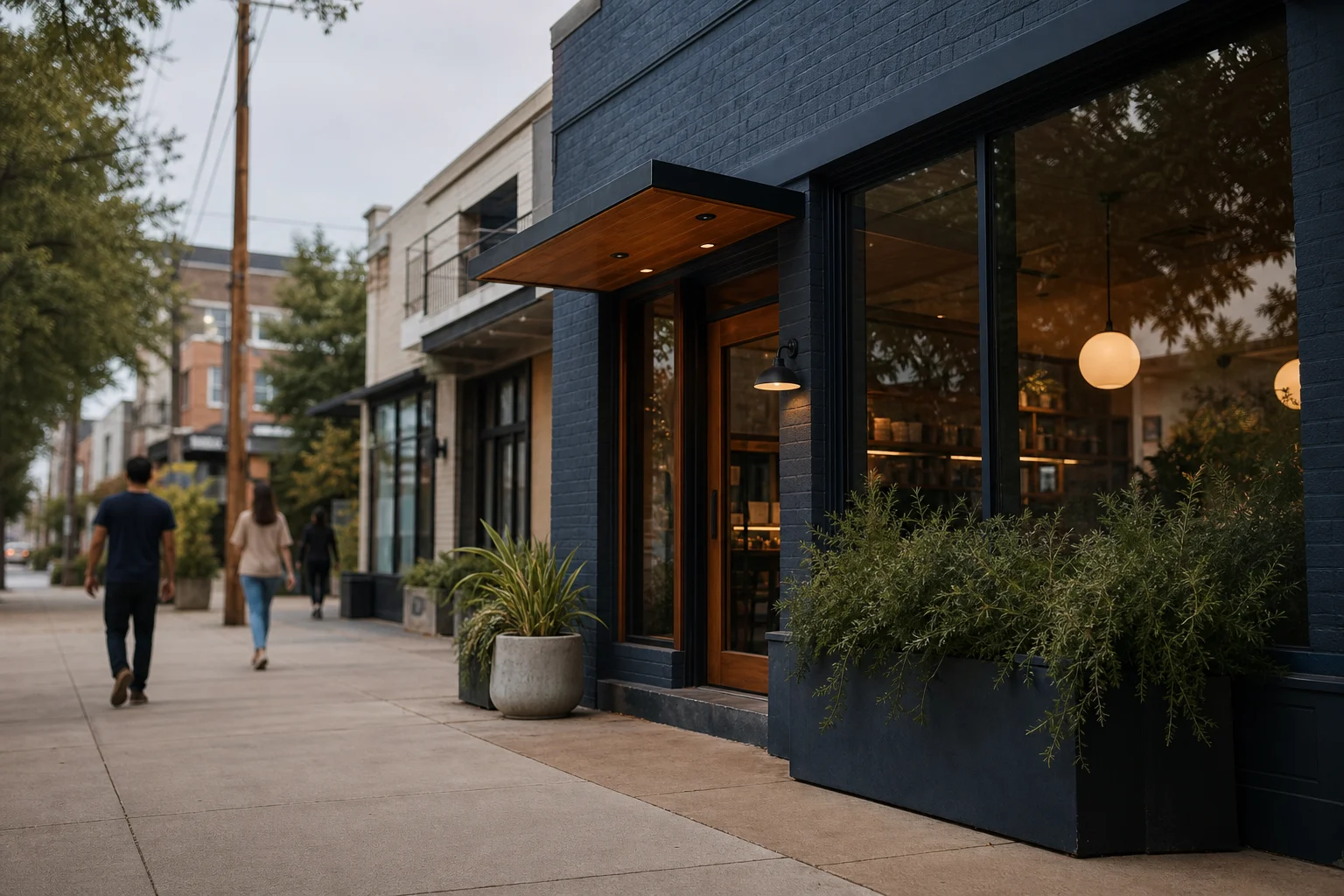
Main startup cost categories
The startup costs for a boba shop in San Diego fall into several key categories. Each category requires careful consideration and planning. Rent typically represents the largest fixed cost, followed by buildout and equipment expenses. Payroll, inventory, permits, and cash reserves complete the essential startup cost stack.
Understanding these categories helps founders allocate resources effectively. The right balance depends on your business model, target market, and growth expectations. Some founders prioritize premium locations with higher rent, while others focus on operational efficiency.
Rent and lease assumptions in San Diego
San Diego offers diverse neighborhoods for boba shops, each with different rent levels and market characteristics. Locavisor neighborhood scoring identifies three top areas for boba shop consideration:
University City / UTC (7.4/10) — UCSD-adjacent corridor with maxed-out student and office density, anchored by Westfield UTC and the trolley station. Expect roughly $45-70/sqft NNN. ≈10,500 weekday lunch workers within 800m.
Mission Valley (6.2/10) — I-8 corridor anchored by Mission Valley and Fashion Valley malls with strong residential density and good transit access. Expect roughly $30-50/sqft NNN — the most affordable rent among ranked areas. ≈8,000 potential repeat households within 800m. No boba competitors found in ground-truth data, though MILKISSIMO GELATO (4.9★, 567 reviews) proves dessert demand.
Convoy Asian Cultural District (6.2/10) — San Diego's designated Asian Cultural District on Convoy St — the city's proven corridor for boba and Asian-cuisine concepts. Expect roughly $30-50/sqft NNN. Boba Bar and Desserts (4.6★, 672 reviews) is the incumbent 260m from the centroid, and Up2You Cafe (4.2★, 664 reviews) and LAB Desserts & Coffee (4.4★, 227 reviews) add dessert-drink competition.
Rent levels vary significantly across these areas. University City/UTC commands higher rents due to its proximity to UCSD and office density. Mission Valley and Convoy Asian Cultural District offer more affordable options with different market characteristics. The rent level in San Diego for boba shops ranges from low to moderate depending on the chosen location.
Buildout, equipment, payroll, opening inventory, permits, and cash reserve
Beyond rent, several major cost categories require consideration. Buildout costs depend on the condition of the space and your design vision. Equipment represents a significant investment, including boba machines, refrigeration, POS systems, and furniture.
Payroll costs vary based on staffing model and local wage requirements. Opening inventory includes tea, milk, toppings, cups, and supplies. Permits and licenses are essential legal requirements with associated costs. Cash reserves provide operating capital during the initial ramp-up period before reaching steady-state revenue.
Each category requires careful planning and budgeting. The right approach balances quality with financial sustainability. Some founders prioritize premium equipment, while others focus on operational efficiency.

Lean vs moderate vs generous launch budgets
Founders approach boba shop launches with different budget philosophies. A lean launch minimizes fixed costs and focuses on core operations. A moderate launch balances quality with financial prudence. A generous launch prioritizes premium locations, equipment, and marketing.
The lean approach typically involves smaller spaces, used equipment, and minimal marketing. The moderate approach includes standard equipment, adequate staffing, and targeted marketing. The generous approach features premium locations, new equipment, comprehensive staffing, and extensive marketing.
Each approach has trade-offs. Lean launches may limit growth potential. Moderate launches offer balanced risk and reward. Generous launches provide premium positioning but require significant capital. The right approach depends on your resources, risk tolerance, and growth objectives.
What to validate before spending money
Before committing significant funds, validate several key assumptions. Lease assumptions should include not just rent but also common area maintenance, taxes, and lease terms. Buildout scope should balance aesthetic appeal with operational efficiency.
Equipment needs must match your menu and volume expectations. Payroll models should reflect realistic staffing requirements for your expected volume. Opening inventory levels should align with initial sales projections. Cash reserves should cover operating expenses during the ramp-up period.
Local professional review is essential. Consult with a commercial real estate broker familiar with San Diego's restaurant market. Engage a contractor experienced in food service buildouts. Consider working with a small business accountant familiar with restaurant operations.
Validating these assumptions reduces risk and increases the likelihood of success. The time spent on validation pays dividends in operational efficiency and financial sustainability.
FAQ
How much does it cost to open a Boba Shop in San Diego?
The exact total cost to open a boba shop in San Diego cannot be estimated from the provided data. Startup costs vary significantly based on location, size, equipment quality, staffing model, and other factors. Before committing funds, validate your lease assumptions, buildout scope, equipment needs, payroll requirements, opening inventory levels, and cash reserve needs. Consider engaging local professionals with restaurant industry experience to review your specific plans and provide more accurate cost estimates for your particular situation.
Last reviewed: 2026-05-05
Sources: U.S. Census Bureau ACS, LEHD LODES, Google Places, OpenStreetMap, Locavisor neighborhood scoring.
Methodology: Locavisor scores neighborhoods across demand, competition fit, rent fit, accessibility, and customer match. Scores reflect a snapshot of recent data and should be combined with on-the-ground research before lease decisions.
Disclaimer: This article provides informational content only and does not constitute legal, financial, accounting, or real-estate advice. Verify lease terms, licensing, local regulations, costs, and professional requirements with qualified local professionals before making business decisions.
Free preview shows top 3 neighborhoods. Full $9.99 report covers all 10 areas with personalized scoring + 90-day check-ins.
Informational only. Verify lease, licensing, local regulations, costs, and professional requirements with qualified local professionals.