San Francisco, CA · boba shop
Cost to open a boba shop in San Francisco
Opening a boba shop in San Francisco presents unique cost considerations that differ significantly from other California markets. The city's high real estate costs, competitive market density, and specific regulatory environment create distinct financial pressures for entrepreneurs. Understanding these cost drivers is essential before committing capital to a new venture.
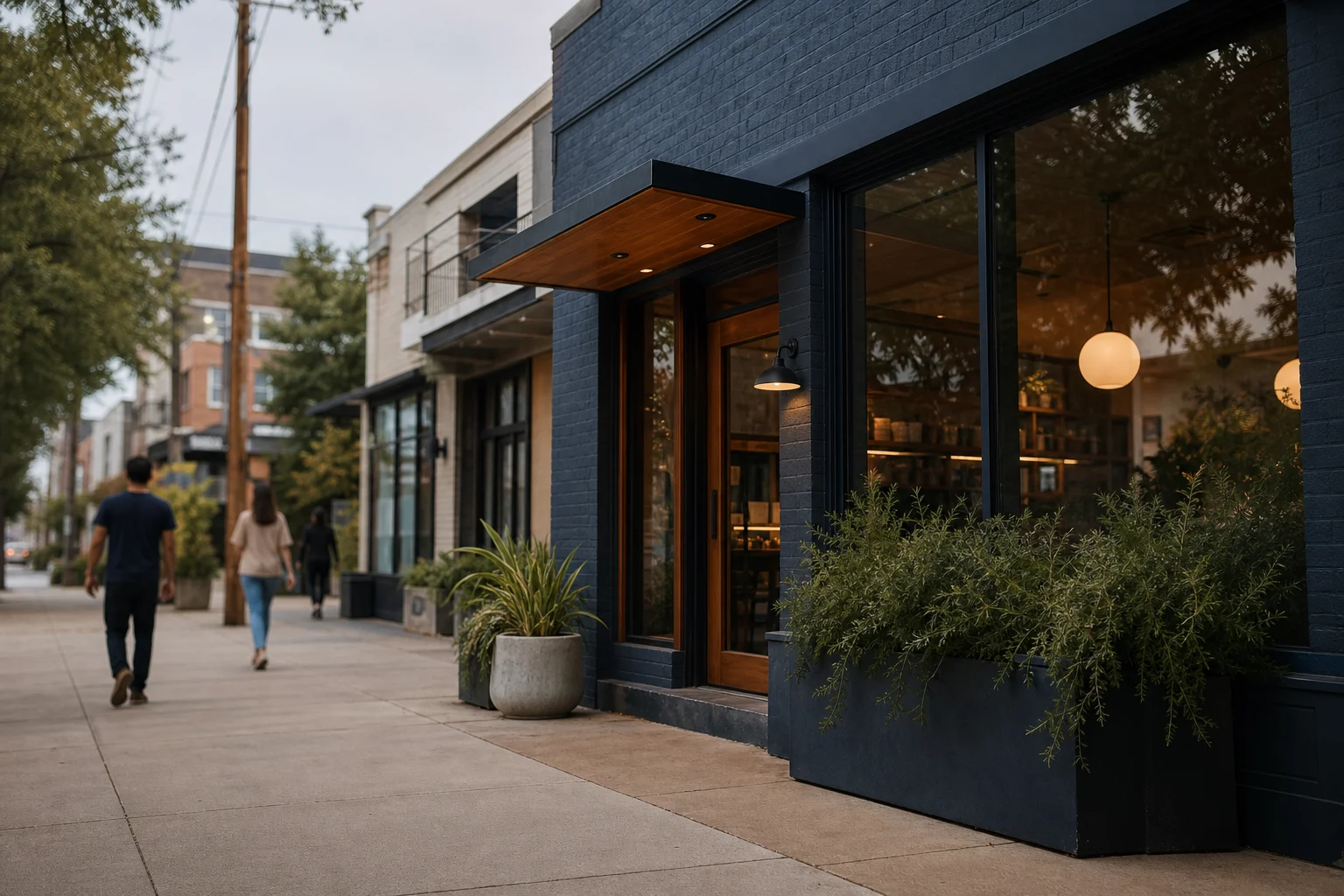
What does it cost to open a boba shop in San Francisco?
The cost to open a boba shop in San Francisco varies widely based on location, size, and operational scale. Unlike many other markets, San Francisco's real estate costs represent the single largest expense component for new boba shop operators. The city's dense urban environment and high demand for commercial space, particularly in neighborhoods with strong foot traffic and customer bases, drive lease rates that can significantly impact startup budgets.
When evaluating potential locations, founders must consider not just the monthly rent but also the total cost of entry, including security deposits, tenant improvements, and buildout expenses. San Francisco's commercial real estate market operates with specific rent structures, often including triple net (NNN) leases that pass additional property expenses to tenants. These costs, combined with the city's permitting requirements and operational expenses, create a higher barrier to entry compared to other California markets.
Major cost categories
Lease deposit and first/last month
Securing a commercial lease in San Francisco requires substantial upfront capital. Most landlords expect first and last month's rent plus a security deposit, which can represent a variable local timeline of rent depending on the property and landlord requirements. In competitive neighborhoods like the Tenderloin or Nob Hill, where multiple boba shops already operate successfully, securing favorable lease terms may require offering higher deposits or accepting shorter lease terms initially.
The Tenderloin neighborhood, with its rent band of $35-$150/sqft/yr NNN, represents one of the more accessible commercial real estate markets in San Francisco for boba shop operators. However, this lower rent comes with trade-offs, including neighborhood perception and potential customer base differences compared to more established commercial districts. Founders must weigh these factors against the financial benefits when evaluating lease options.
Tenant improvements and buildout
Tenant improvements (TI) and buildout costs represent a significant portion of startup expenses for boba shops in San Francisco. The city's building codes, historic preservation requirements, and accessibility standards often necessitate more extensive and costly modifications than in other markets. In neighborhoods like Russian Hill/Polk Gulch, where rent bands reach $35-$150/sqft/yr NNN, the quality of existing spaces can vary dramatically, impacting the required investment in improvements.
Successful boba shops in San Francisco, such as Black Sugar - Boba Bar and Boba Guys Union Square in the Tenderloin, demonstrate how thoughtful buildout can create inviting spaces that attract customers despite neighborhood challenges. These operators have invested in creating welcoming atmospheres that differentiate their offerings in competitive markets.
Equipment and furniture
Boba shop equipment requirements in San Francisco align with industry standards but may involve additional considerations for space optimization. The city's smaller commercial spaces often necessitate more compact, efficient equipment layouts. Founders should budget for essential equipment including tea brewing systems, refrigeration, point-of-sale systems, and seating arrangements that maximize customer flow in limited square footage.
Licenses, permits, and insurance
San Francisco's permitting process for food establishments involves multiple agencies and specific requirements. Operators must secure business licenses, health department permits, and potentially additional certifications depending on their planned operations. Insurance costs in San Francisco also tend to be higher than in other California markets due to the city's litigious environment and specific risk factors.
Initial inventory or supplies
Stocking a boba shop in San Francisco requires careful inventory management to balance product variety with cash flow constraints. The city's customer base often expects a wide range of flavors and options, creating pressure to maintain diverse inventory without overextending working capital. Successful operators like Mountain Boba and Feng Cha Teahouse have developed inventory strategies that meet customer expectations while controlling costs.
Pre-opening payroll and training
Hiring and training staff in San Francisco's competitive labor market requires budgeting for higher wage expectations and potentially more extensive training programs. The city's minimum wage and living wage requirements impact payroll costs, while the diverse customer base may necessitate multilingual staff or specialized training.
Working capital reserve
Establishing a working capital reserve is particularly critical for San Francisco boba shop operators. The city's higher operational costs and competitive market mean that businesses may take longer to reach profitability. A reserve of a variable local timeline of operating expenses provides a buffer against unexpected challenges and market fluctuations.
How San Francisco compares to other CA markets
San Francisco's commercial real estate costs significantly exceed other California markets, with rent bands in prime neighborhoods reaching $35-$150/sqft/yr NNN. This compares unfavorably to markets like Los Angeles or San Diego, where similar spaces may cost 30-50% less. However, San Francisco's higher foot traffic and customer spending power can offset these costs for well-positioned businesses.
The city's regulatory environment also presents additional compliance costs compared to other California markets. San Francisco's specific health codes, sustainability requirements, and business taxes create a more complex operating environment that founders must budget for accordingly.
What competition looks like in the top areas
San Francisco's boba market is concentrated in specific neighborhoods, with the Tenderloin emerging as a surprising hub of activity. This neighborhood, with its rent band of $35-$150/sqft/yr NNN, hosts multiple successful operators including Black Sugar - Boba Bar, Boba Guys Union Square, Gong Cha, Mountain Boba, and Feng Cha Teahouse. These businesses demonstrate that the Tenderloin can support multiple boba shops, though customer demographics and operational strategies vary.
Nob Hill represents another competitive area, with Boba Guys Fillmore operating successfully in a neighborhood with similar rent bands of $35-$150/sqft/yr NNN. The presence of established malls like Japan Center Malls and Metreon creates foot traffic opportunities but also increases competition for customer attention.
The Excelsior/Outer Mission neighborhood, with its more standardized rent band of $55/sqft/yr NNN, hosts operators like Dots Boba and Tea Plus Tea Bar. These businesses serve local communities with more neighborhood-focused operations, demonstrating that success in San Francisco's boba market doesn't require prime downtown locations.
Common cost overrun patterns
Several cost overrun patterns frequently impact San Francisco boba shop startups. Underestimating buildout costs is particularly common, as the city's building requirements and space conditions often necessitate more extensive and expensive improvements than anticipated. Rent negotiations in competitive neighborhoods can also lead to higher-than-expected lease costs, especially when founders feel pressured to secure desirable locations quickly.
Inventory mismanagement represents another common overrun area. San Francisco's customer expectations for variety, combined with the city's higher cost of goods, can lead to overstocking or frequent replenishment needs that strain working capital. Operators like CoCo Bubble Tea and Cool Tea Bar have developed inventory systems that balance customer expectations with cost control.
How to validate your number before committing capital
Validating cost assumptions is critical before committing capital to a San Francisco boba shop. Founders should obtain multiple lease quotes in their target neighborhoods, comparing not just rent rates but also NNN costs, lease terms, and landlord requirements. Engaging local contractors for buildout estimates, even preliminary ones, can reveal unexpected costs related to San Francisco's specific building codes.
Researching competitor operations provides valuable insights into realistic cost structures. Visiting successful boba shops like By Me Boba Tea and Geneva Bubble Tea allows founders to observe operational flows, staffing needs, and customer volumes that inform more accurate budgeting. These observations, combined with conversations with local operators, can highlight cost areas that are often overlooked in initial planning.
| Cost Category | Validation Method | San Francisco Specific Considerations |
|---|---|---|
| Lease Costs | Obtain 3+ quotes | Compare NNN vs gross leases, negotiate terms |
| Buildout | Get 2-3 contractor bids | Account for city codes and space conditions |
| Equipment | Research local suppliers | Consider space optimization needs |
| Permits | Contact city agencies | Understand timeline and inspection requirements |
| Inventory | Visit competitor shops | Observe stock levels and replenishment cycles |
| Neighborhood | Locavisor score | Rent band | Local operator signal | Founder validation check |
|---|---|---|---|---|
| Tenderloin | 5.9/10 | $35-$150/sqft/yr NNN | Black Sugar - Boba Bar, Boba Guys Union Square | Validate lease terms, buildout condition, equipment scope, and reserves. |
| Nob Hill | 5.8/10 | $35-$150/sqft/yr NNN | By Me Boba Tea, Boba Guys Union Square | Validate lease terms, buildout condition, equipment scope, and reserves. |
| Excelsior / Outer Mission | 5.5/10 | $55/sqft/yr NNN | Dots Boba, Geneva Bubble Tea | Validate lease terms, buildout condition, equipment scope, and reserves. |
| Russian Hill / Polk Gulch | 5.2/10 | $35-$150/sqft/yr NNN | By Me Boba Tea, Black Sugar - Boba Bar | Validate lease terms, buildout condition, equipment scope, and reserves. |
| Chinatown | 5.1/10 | $55/sqft/yr NNN | By Me Boba Tea, Boba Guys Union Square | Validate lease terms, buildout condition, equipment scope, and reserves. |

FAQ
What neighborhoods offer the best balance of cost and opportunity for a new boba shop in San Francisco?
The Tenderloin neighborhood, with its rent band of $35-$150/sqft/yr NNN, offers the most accessible entry point for new boba shop operators. This neighborhood hosts multiple successful boba shops including Black Sugar - Boba Bar, Boba Guys Union Square, and Mountain Boba, demonstrating market viability. However, founders should carefully evaluate neighborhood perception and customer demographics when considering this location.
Nob Hill represents a middle ground, with similar rent bands but stronger foot traffic from malls like Metreon and Japan Center Malls. The presence of Boba Guys Fillmore in this neighborhood shows that quality operations can thrive despite higher competition.
How do San Francisco's permitting requirements differ from other California cities?
San Francisco's permitting process involves multiple city agencies and specific requirements for food establishments. Operators must secure business licenses from the Office of the City Treasurer, health department permits from the Department of Public Health, and potentially additional certifications depending on their planned operations. The city's historic preservation requirements and accessibility standards may also impact permitting timelines and costs.
What working capital reserve is recommended for a new boba shop in San Francisco?
A working capital reserve of a variable local timeline of operating expenses is recommended for San Francisco boba shop operators. The city's higher operational costs and competitive market mean that businesses may take longer to reach profitability compared to other markets. This reserve provides a buffer against unexpected challenges, inventory fluctuations, and slower-than-expected revenue growth.
Last reviewed: 2026-05-30
Sources: U.S. Census Bureau ACS, LEHD LODES, Google Places, OpenStreetMap, Locavisor neighborhood scoring.
Methodology: Locavisor scores neighborhoods across demand, competition fit, rent fit, accessibility, and customer match. Scores reflect a snapshot of recent data and should be combined with on-the-ground research before lease decisions.
Disclaimer: This article provides informational content only and does not constitute legal, financial, accounting, or real-estate advice. Verify lease terms, licensing, local regulations, costs, and professional requirements with qualified local professionals before making business decisions.
Free preview shows top 3 neighborhoods. Full $9.99 report covers all 10 areas with personalized scoring + 90-day check-ins.
Informational only. Verify lease, licensing, local regulations, costs, and professional requirements with qualified local professionals.