San Jose, CA · boba shop
Cost to open a boba shop in San Jose
Opening a boba shop in San Jose presents unique cost considerations shaped by Silicon Valley's economic dynamics, high real estate values, and competitive market saturation. The city's tech-driven economy creates both opportunities and challenges for new food businesses, with location being the single most influential factor in startup costs. San Jose's commercial real estate market, particularly in prime neighborhoods, demands careful financial planning and realistic budgeting for entrepreneurs entering this popular beverage segment.
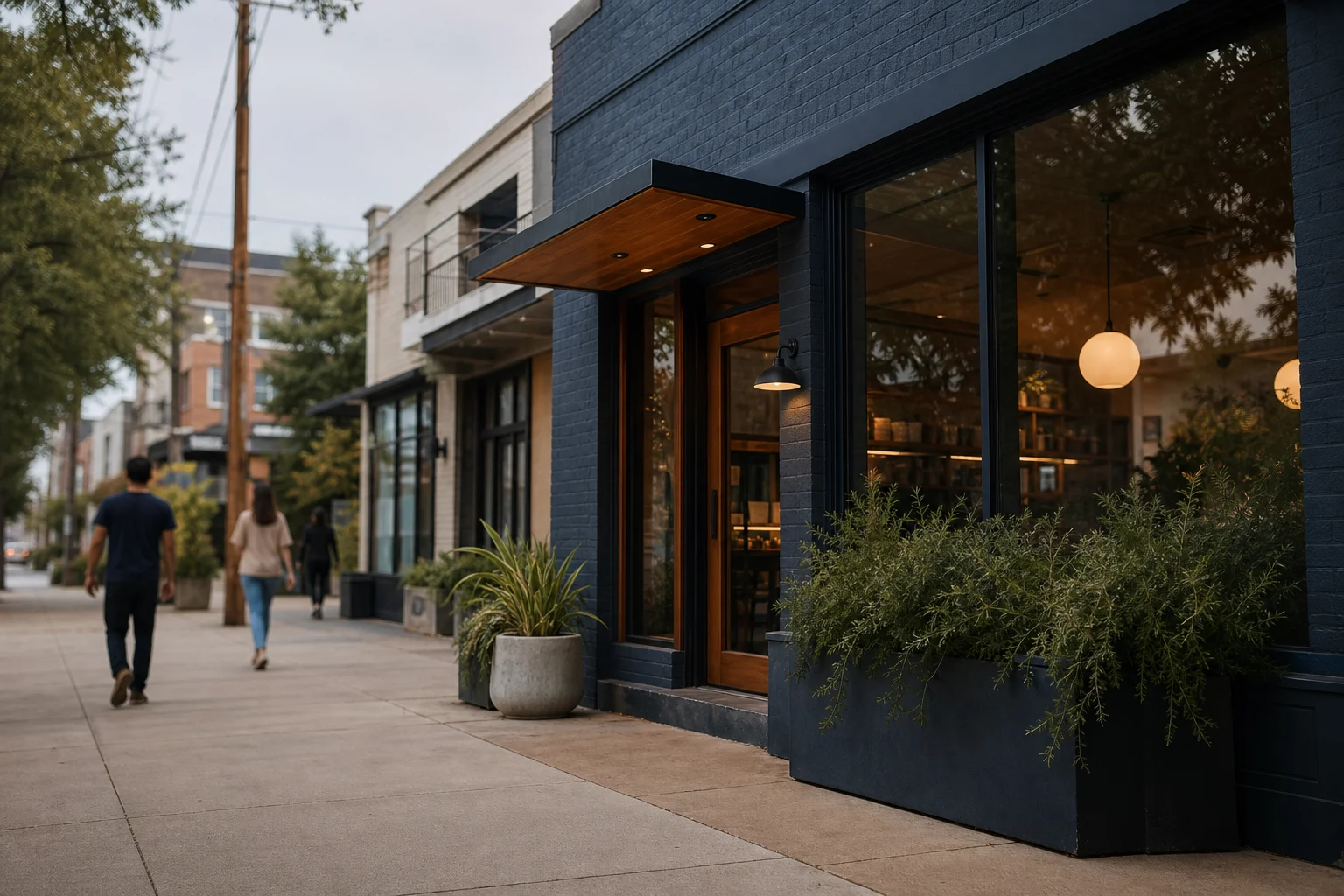
What does it cost to open a boba shop in San Jose?
The cost to open a boba shop in San Jose varies significantly based on location, size, and operational model, but entrepreneurs should expect substantial upfront investment primarily driven by real estate expenses. Unlike many other food businesses, boba shops require specialized equipment, quality ingredients, and often a visible storefront to attract the city's diverse customer base. San Jose's commercial rents, particularly in high-traffic areas near tech campuses and shopping centers, represent the largest single cost component for most new boba shop ventures.
The city's top neighborhoods for boba shop locations, according to Locavisor research, include Naglee Park/SJSU area (score 6.5/10), Downtown San Jose (score 6.5/10), Rose Garden (score 6.0/10), Santana Row/Valley Fair (score 5.9/10), and Willow Glen (score 5.8/10). Each of these areas presents different rent structures, customer demographics, and competitive landscapes that directly impact startup costs and revenue potential.
Major cost categories
Lease deposit and first/last month
Commercial lease deposits in San Jose typically range from one to three months' rent, with first and last month payments required upfront. The Naglee Park/SJSU area shows rent bands of $44-$110/sqft/yr NNN, while Downtown San Jose averages $55/sqft/yr NNN. These variations significantly impact initial cash requirements for securing a location. Entrepreneurs must budget for security deposits, which can be substantial given the competitive nature of San Jose's commercial real estate market.
Equipment and furniture
Boba shop equipment requirements include specialized tea brewing systems, refrigeration units, point-of-sale systems, seating, and display cases. Quality equipment represents a substantial upfront investment that shouldn't be underestimated. The type and volume of equipment needed depend on the shop's concept, expected customer volume, and whether the business will offer food alongside beverages.
Licenses, permits, and insurance
San Jose requires various permits and licenses for food service businesses, including health department permits, business licenses, and potentially construction permits for tenant improvements. Insurance costs, particularly liability coverage, add to startup expenses and vary based on location and operational scope.
Initial inventory or supplies
Stocking a boba shop requires significant upfront investment in tea bases, tapioca pearls, syrups, milk alternatives, cups, and other consumables. Maintaining adequate inventory levels while managing cash flow presents a delicate balance for new operators.
Pre-opening payroll and training
Hiring and training staff before opening represents another cost category often overlooked in initial budgeting. San Jose's competitive labor market means businesses must offer competitive wages to attract qualified employees.
Working capital reserve
Establishing a working capital reserve of three to six months' operating expenses is crucial for weathering the initial slow period and unexpected costs that frequently arise during the first year of operation.
How San Jose compares to other CA markets
San Jose's commercial real estate costs generally exceed those in other California markets, particularly for locations near major employment centers and universities. The city's tech-driven economy creates higher rent expectations in desirable neighborhoods compared to other Bay Area cities. However, San Jose's customer base often demonstrates greater purchasing power, potentially offsetting higher operational costs through increased average transaction values.
The concentration of tech companies and students in San Jose creates a unique market dynamic not found in many other California cities. This demographic tends to value convenience, quality, and brand experience, factors that can justify premium pricing strategies when properly executed.
What competition looks like in the top areas
San Jose's boba market features established players across its top neighborhoods. In the Naglee Park/SJSU area, businesses like Haiku Teahouse (4.5 stars, 130 reviews), Boba Bar (4.3 stars, 684 reviews), and Happy Lemon (4 stars, 61 reviews) demonstrate the competitive landscape. The Rose Garden neighborhood hosts Pink Pink Tea Shoppe (4.3 stars, 248 reviews), CoCo Bubble Tea - Valley Fair (3.7 stars, 157 reviews), Sunright Tea Studio - San Jose (4.3 stars, 78 reviews), Gong Cha Willow Glen (4.4 stars, 62 reviews), Boba Guys (3.8 stars, 197 reviews), and Kung Fu Tea (4.3 stars, 154 reviews).
These competitors illustrate the market saturation in San Jose's most desirable locations. New entrants must differentiate through unique offerings, superior customer experience, or strategic positioning to capture market share. The Santana Row/Valley Fair area features Rainbow Donuts and Boba (Previously Babo Boba Cafe) (4.1 stars, 64 reviews), while Willow Glen hosts Milk Tea Lab (4.1 stars, 273 reviews) and Feng Cha Teahouse - Almaden (4.4 stars, 50 reviews).
Common cost overrun patterns
Several cost overrun patterns frequently impact boba shop startups in San Jose. Underestimating buildout costs is particularly common, as older commercial spaces often require more extensive work than anticipated to meet health and safety standards. Rent negotiations frequently result in higher-than-expected costs, especially in competitive neighborhoods like Santana Row/Valley Fair where rents reach $110/sqft/yr NNN.
Equipment purchases frequently exceed budget due to the need for specialized, commercial-grade machinery that can withstand heavy use. Inventory management challenges also lead to cost overruns, as new operators struggle to balance stock levels with cash flow constraints. Many entrepreneurs fail to account for the time required to build a customer base, leading to longer-than-expected periods of lower-than-expected revenue.
Permit and inspection delays represent another common cost overrun source, as San Jose's regulatory environment can be complex and time-consuming to navigate. These delays often result in additional holding costs for leased spaces and extended payroll expenses during the pre-opening phase.
How to validate your number before committing capital
Validating startup cost assumptions requires thorough research and realistic planning. Entrepreneurs should obtain multiple lease quotes in their target neighborhoods to understand true market rates. For example, comparing rent bands in Naglee Park/SJSU ($44-$110/sqft/yr NNN) with those in Downtown San Jose ($55/sqft/yr NNN) provides critical context for location-based cost differences.
Engaging with local contractors and equipment suppliers helps establish realistic buildout and equipment budgets. Many new business owners underestimate the time and cost required for tenant improvements, particularly in older commercial spaces. Obtaining multiple bids and understanding the scope of work prevents budget surprises.
Researching competitor operations provides insights into realistic revenue potential and operational costs. Visiting local boba shops like those in the Rose Garden neighborhood and observing customer traffic, pricing strategies, and operational efficiency helps establish more accurate financial projections.
Consulting with San Jose-based business advisors and accountants familiar with the local market can provide valuable insights into regulatory requirements and hidden costs. These professionals often identify expenses that entrepreneurs overlook in initial planning phases.
| Cost Category | Key Validation Steps | San Jose Specific Considerations |
|---|---|---|
| Buildout | Get contractor bids, inspect space | Older spaces may need significant upgrades |
| Equipment | Research commercial-grade options | Consider space constraints in high-rent areas |
| Permits | Consult city planning department | Health department requirements can be stringent |
| Inventory | Analyze competitor stock levels | Student populations may have different preferences |

FAQ
What are the most affordable neighborhoods for a boba shop in San Jose?
According to Locavisor research, Willow Glen (rent band $48/sqft/yr NNN) and parts of the Naglee Park/SJSU area (rent band $44-$110/sqft/yr NNN) offer more affordable commercial real estate options compared to premium locations like Santana Row/Valley Fair ($110/sqft/yr NNN). These neighborhoods still provide good customer traffic from local residents, students, and nearby offices while maintaining more reasonable lease costs.
How does San Jose's boba market differ from other Bay Area cities?
San Jose's boba market is heavily influenced by its large student population (San José State University, San José City College) and tech professionals, creating demand for convenient, high-quality beverage options. The city's spread-out nature means neighborhood-specific customer bases, unlike more compact urban centers. Competition tends to be neighborhood-focused rather than city-wide, with established players in each of the top five areas.
What permits are absolutely essential for a boba shop in San Jose?
Essential permits include a San Jose business license, health department food service permit, and potentially building permits for tenant improvements. The city's planning and code enforcement departments should be consulted early in the process, as requirements can vary significantly based on location and the extent of buildout work planned. Failure to obtain proper permits can result in costly delays and fines.
How can I differentiate my boba shop in a competitive market like San Jose?
Successful differentiation strategies in San Jose's boba market often involve unique flavor combinations, superior ingredient quality, or exceptional customer service. Some operators focus on catering to specific demographics, such as students or tech professionals, while others emphasize sustainability or community engagement. Analyzing successful local businesses like Boba Bar (4.3 stars, 684 reviews) and Milk Tea Lab (4.1 stars, 273 reviews) reveals how these operators have established market positions through consistent quality and customer experience.
Last reviewed: 2026-05-30
Sources: U.S. Census Bureau ACS, LEHD LODES, Google Places, OpenStreetMap, Locavisor neighborhood scoring.
Methodology: Locavisor scores neighborhoods across demand, competition fit, rent fit, accessibility, and customer match. Scores reflect a snapshot of recent data and should be combined with on-the-ground research before lease decisions.
Disclaimer: This article provides informational content only and does not constitute legal, financial, accounting, or real-estate advice. Verify lease terms, licensing, local regulations, costs, and professional requirements with qualified local professionals before making business decisions.
Free preview shows top 3 neighborhoods. Full $9.99 report covers all 10 areas with personalized scoring + 90-day check-ins.
Informational only. Verify lease, licensing, local regulations, costs, and professional requirements with qualified local professionals.