Seattle, WA · boba shop
Cost to open a boba shop in Seattle
Opening a boba shop in Seattle requires careful planning of startup costs. The cost to open a boba shop in Seattle varies based on location, size, concept, and operational approach. This guide breaks down the practical startup-cost stack to help you make informed decisions before investing capital.
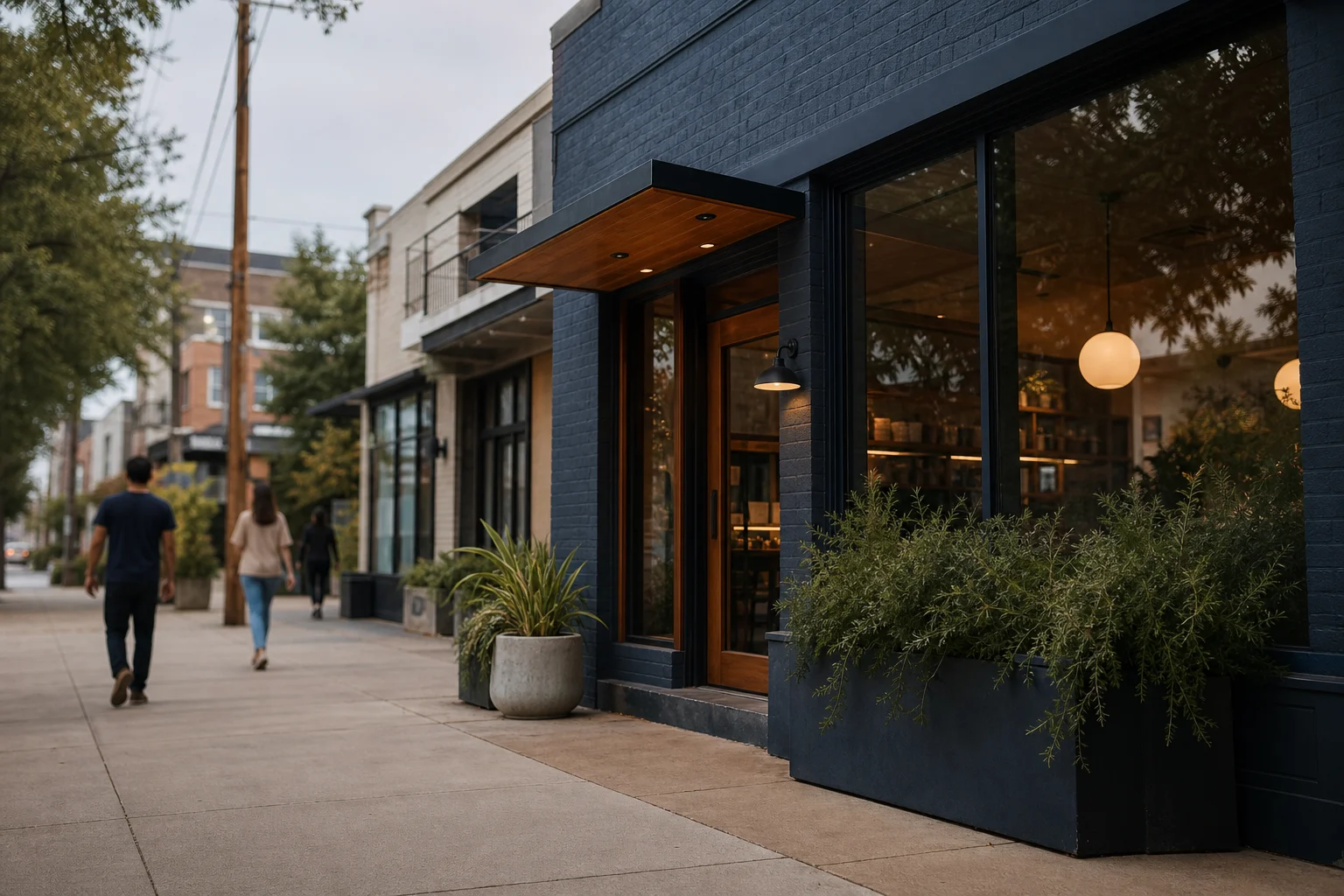
Main startup cost categories
When planning to open a boba shop in Seattle, your startup costs will fall into several key categories. Each category requires careful consideration and validation before committing funds. The primary cost areas include rent and lease assumptions, buildout and equipment, payroll, opening inventory, permits and licenses, and cash reserves for the initial operating period.
Understanding these categories helps you develop a realistic budget framework. Remember that this is a qualitative planning guide, not a cost estimate. The actual amounts will depend on your specific circumstances and market conditions.
Rent and lease assumptions in Seattle
Rent represents one of your largest fixed costs when opening a boba shop in Seattle. Locavisor neighborhood scoring shows promising market temperature with medium competition density and low rent level. Based on the 2026-05 snapshot data, Seattle offers several viable locations for a boba shop:
U-District (University District) (7.1/10) — The U-District is your strongest bet by a clear margin. The Ave is a proven college-town corridor with maxed-out student density, strong walkability, and a light-rail station at its core. Two existing boba shops — Boba Up (4.5★, 1,162 reviews) and OH! Bear Cafe & TeaHouse (4.6★, 418 reviews) — validate demand but leave room for a differentiated concept. Expect roughly $30-50/sqft NNN.
Wallingford (6.8/10) — Wallingford's N 45th St corridor is a strong neighborhood play with zero existing boba competitors — a clean entry opportunity. Strong residential density, above-average affluence, and proximity to UW (student index is strong) give you a dual student+local customer base. Expect roughly $30-50/sqft NNN.
Fremont (6.4/10) — Fremont is a trendy, tourist-adjacent corridor with strong office density (Google Park View nearby) and zero boba competitors. The 'Center of the Universe' draws a mix of tech workers, tourists visiting the Troll, and locals. Expect roughly $30-50/sqft NNN.
The rent range of $30-50/sqft NNN represents a significant cost factor in your startup budget. This range assumes triple-net leases, where you pay property taxes, insurance, and maintenance in addition to base rent. Your actual costs will depend on the specific location, lease terms, and negotiation outcomes.
Buildout, equipment, payroll, opening inventory, permits, and cash reserve
Beyond rent, several other cost categories require careful planning. Buildout costs include construction, plumbing, electrical work, and interior design to create your boba shop environment. Equipment costs encompass tea brewing systems, refrigeration, POS systems, furniture, and specialized boba preparation tools.
Payroll represents ongoing costs for your team. Consider staffing needs during different phases of operation, including pre-opening training and post-launch operations. Opening inventory covers initial supplies of tea, milk, sweeteners, tapioca pearls, cups, straws, and other consumables.
Permits and licenses include necessary city and state approvals for food service, health department compliance, and business operation. The specific requirements vary by location and concept. Cash reserves provide a buffer for unexpected expenses and support operations during the initial ramp-up period before reaching steady-state revenue.
Each of these categories requires validation against your specific business model and location. What works for one boba shop may not work for another, even within the same neighborhood.
Lean vs moderate vs generous launch budgets
When planning your budget, consider different approaches based on your risk tolerance and available capital. A lean launch minimizes upfront investment with basic equipment, simplified decor, and minimal staff. This approach reduces initial financial exposure but may limit your ability to create a distinctive customer experience.
A moderate launch balances investment with practicality, allowing for quality equipment, appealing decor, and adequate staffing. This approach provides more flexibility in positioning and operations while maintaining reasonable financial risk.
A generous launch maximizes investment potential with premium equipment, distinctive design, and robust staffing. This approach creates the strongest brand impression but requires more capital and carries higher financial risk.
Your choice should align with your concept, target market, and financial capacity. Remember that budget decisions impact not only your startup costs but also your ongoing operational expenses and break-even timeline.
What to validate before spending money
Before committing significant capital to open your boba shop in Seattle, validate several key assumptions. First, confirm your lease terms and understand all associated costs beyond base rent. Second, validate your buildout scope against local building codes and health department requirements.
Third, confirm your equipment needs with industry suppliers and consider both purchase and leasing options. Fourth, validate your staffing model against local wage rates and labor market conditions. Fifth, confirm your opening inventory requirements with suppliers and consider initial order minimums.
Sixth, validate your permit requirements with local authorities and understand the approval timeline. Finally, confirm your cash reserve needs against industry benchmarks and your specific operational model.
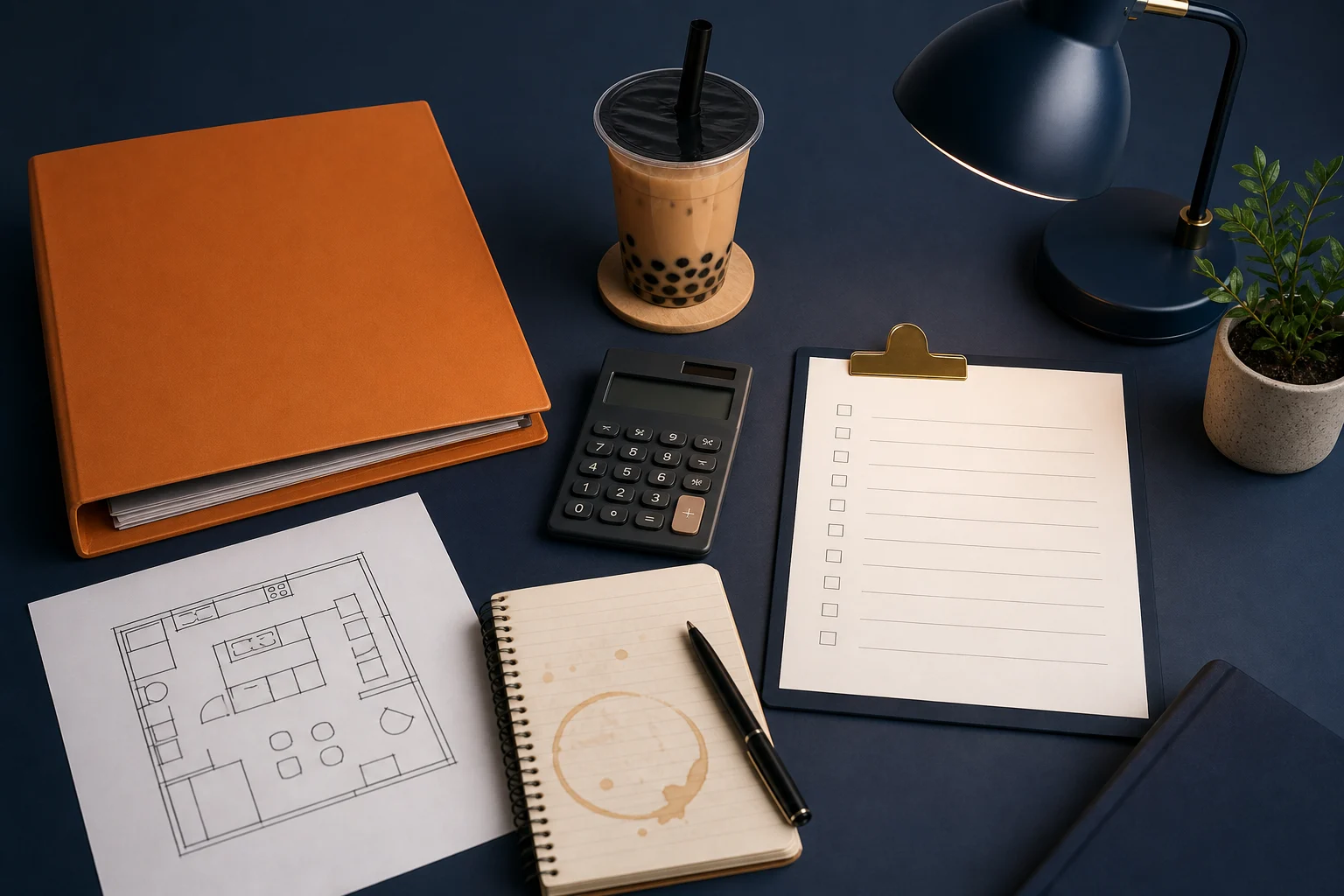
Each validation step helps refine your budget assumptions and reduces financial risk. The time spent on validation before spending money can save significant resources during implementation.
FAQ
How much does it cost to open a Boba Shop in Seattle?
The exact total cost to open a boba shop in Seattle cannot be estimated from the provided data. Startup costs vary significantly based on location, size, concept, equipment choices, lease terms, and operational approach. To develop an accurate budget, validate your specific assumptions for rent, buildout scope, equipment needs, staffing model, opening inventory, permit requirements, and cash reserves. Consider different budget approaches based on your risk tolerance and available capital, and consult with local professionals who understand the Seattle market and regulatory environment.
Last reviewed: 2026-05-05
Sources: U.S. Census Bureau ACS, LEHD LODES, Google Places, OpenStreetMap, Locavisor neighborhood scoring.
Methodology: Locavisor scores neighborhoods across demand, competition fit, rent fit, accessibility, and customer match. Scores reflect a snapshot of recent data and should be combined with on-the-ground research before lease decisions.
Disclaimer: This article provides informational content only and does not constitute legal, financial, accounting, or real-estate advice. Verify lease terms, licensing, local regulations, costs, and professional requirements with qualified local professionals before making business decisions.
Free preview shows top 3 neighborhoods. Full $9.99 report covers all 10 areas with personalized scoring + 90-day check-ins.
Informational only. Verify lease, licensing, local regulations, costs, and professional requirements with qualified local professionals.