Washington, DC · boba shop
Cost to open a boba shop in Washington
Opening a boba shop in Washington requires careful planning of your startup costs. The cost to open a boba shop in Washington varies significantly based on location, buildout requirements, equipment needs, and operational factors. Washington's competitive boba market presents both opportunities and challenges for new entrepreneurs. This guide breaks down the practical cost stack you'll need to validate before launching your boba business in the nation's capital.
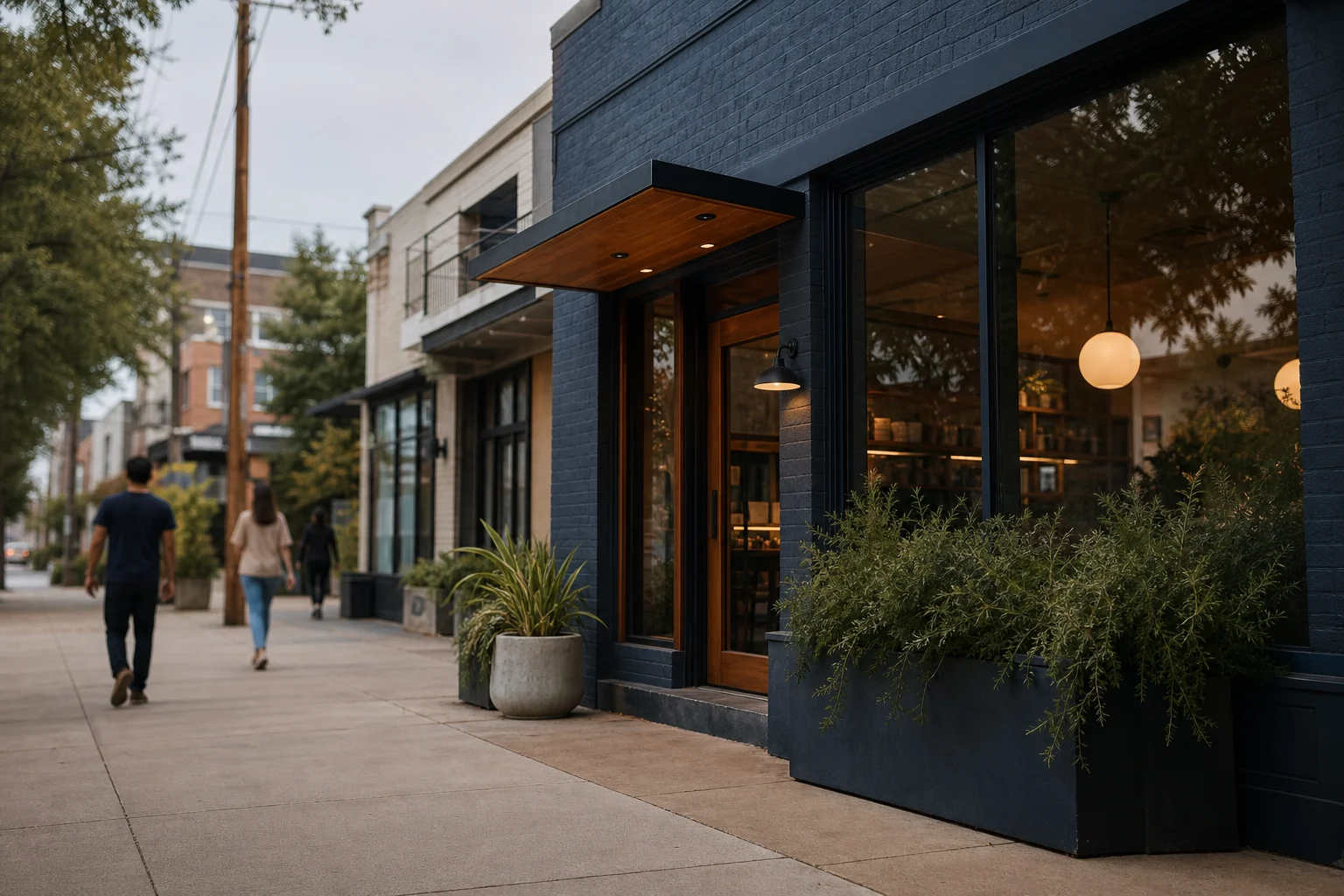
Main startup cost categories
Your boba shop startup costs fall into several key categories. Rent represents your largest fixed expense, followed by buildout and equipment costs. Permits and licensing add another layer of expenses. Hiring and training staff requires investment in both people and processes. Opening inventory represents your initial product investment. Finally, maintaining adequate cash reserves ensures you can navigate the challenging early months of operation. Each category requires careful validation before you commit significant funds.
Rent and lease assumptions in Washington
Location selection dramatically impacts your rent costs and overall startup expenses. Locavisor neighborhood scoring identifies three top areas for boba shops in Washington:
Foggy Bottom / GWU (7.4/10) — Top-ranked area with the strongest demand profile in DC for boba: GWU's 25,000+ students, Foggy Bottom Metro at the doorstep, and a daytime worker population near ceiling. Five boba competitors within 2km — including Gong Cha (4.2★, 412 reviews) and Taichi Bubble Tea Georgetown (4.4★, 181 reviews) — but no dedicated boba shop directly on the GWU campus core. Expect roughly $30-50/sqft NNN.
Chevy Chase DC (6.2/10) — Upscale residential corridor along Connecticut Ave with strong affluence and solid office density. Chevy Chase Pavilion and Friendship Heights Metro provide foot traffic anchors. No boba competitor within 1km — the nearest are Teas Me Bubble Tea (4.1★, 75 reviews) and DC Boba (4.5★, 158 reviews) over 4km away. Rent is roughly $30-50/sqft NNN.
Ivy City (6.0/10) — Industrial-reuse corridor near Union Market with growing food-and-beverage gravity — Ivy City Smokehouse, Other Half Brewing, and THRōW Social DC are already drawing evening crowds. TIGER SUGAR Boba (4.1★, 141 reviews) is 1.2km away at Rhode Island Ave-Brentwood, but no boba on the Ivy City strip itself. Rent is roughly $20-35/sqft NNN — the most affordable of the five areas.
Washington's rent levels range from low to moderate across these top areas. Market temperature is mixed, with competition density varying from medium in Foggy Bottom to potentially lower in Chevy Chase and Ivy City. Your rent assumptions should account for these variations and include negotiation room for improvements or tenant allowances.
Buildout, equipment, payroll, opening inventory, permits, and cash reserve
Buildout costs depend heavily on your space's condition and your brand vision. A turnkey space minimizes these expenses but may limit customization. Buildout scope should align with your target customer experience and operational needs. Equipment represents another major investment, including boba machines, refrigeration, POS systems, and furniture. Your equipment list must balance quality needs with budget constraints.
Payroll costs extend beyond wages to include training, uniforms, and potential benefits. Consider your staffing model carefully—will you hire full-time staff or use part-time workers? Opening inventory requires sufficient stock of tea bases, milk alternatives, tapioca pearls, flavorings, and packaging. Permits and licensing add both time and expense to your startup process. Factor in potential delays and additional requirements specific to Washington's regulations.
Cash reserves are your safety net during the challenging early months. Many businesses underestimate how long it takes to reach consistent profitability. Your cash reserve should cover all fixed expenses for an extended period while you build customer loyalty and refine your operations.
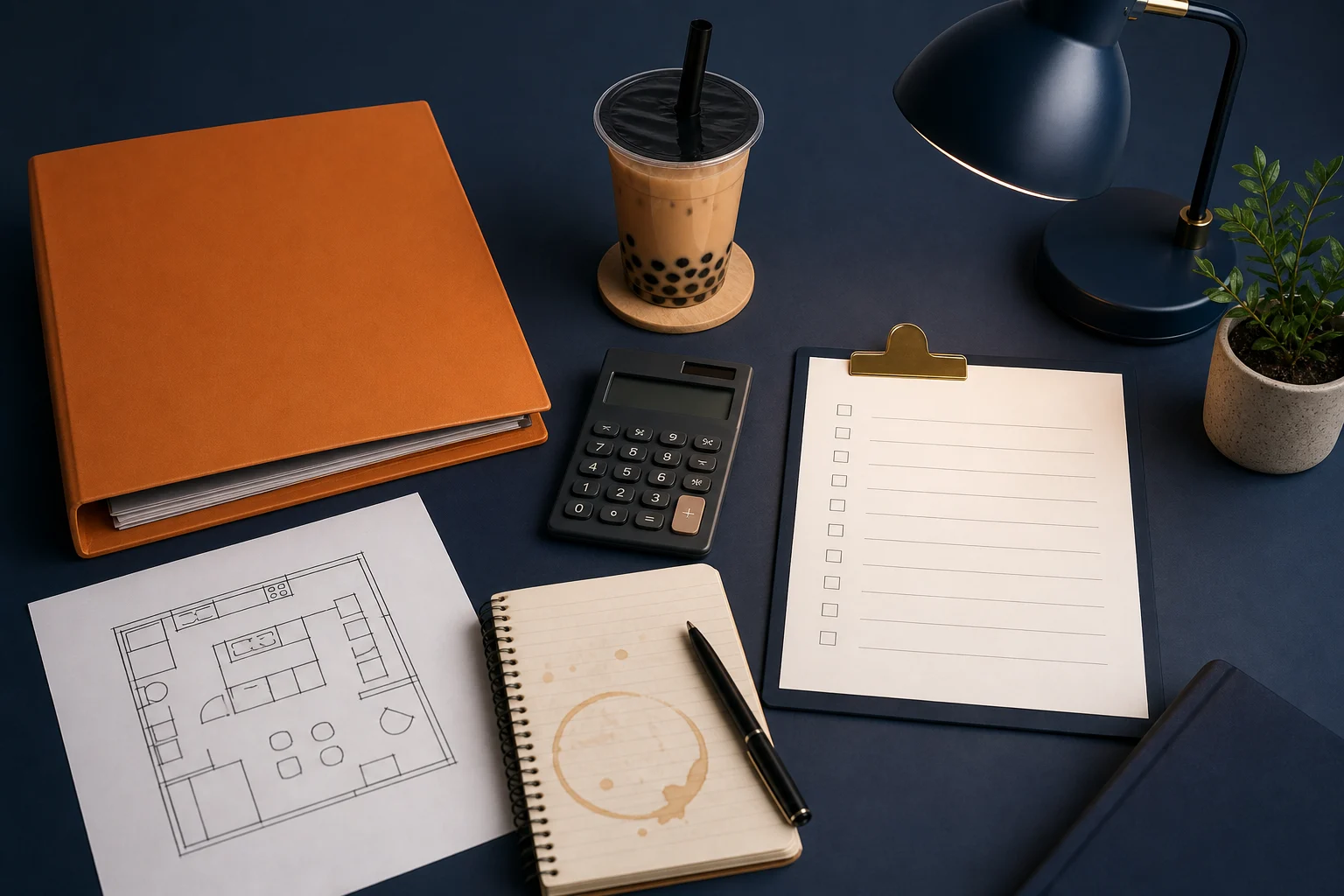
Lean vs moderate vs generous launch budgets
Your approach to budgeting significantly impacts your startup costs. A lean launch minimizes expenses by focusing on essentials and deferring non-critical investments. This approach reduces initial financial burden but may limit your ability to create a strong first impression. A moderate budget balances cost control with strategic investments in key areas like equipment and location. A generous launch budget allows for premium buildout, comprehensive marketing, and robust staffing but requires more capital upfront.
Each approach has tradeoffs. A lean launch might work well in a lower-cost area like Ivy City, while a moderate budget could be appropriate for Foggy Bottom's competitive environment. Your budget should align with your long-term vision and financial capacity. Remember that undercapitalization is a common reason for business failure—ensure your budget provides adequate runway for establishing your presence.
What to validate before spending money
Before committing significant funds, validate your key assumptions. Lease terms should be thoroughly reviewed—beware of hidden costs like common area maintenance or percentage rent clauses. Buildout estimates should include contingency funds for unexpected issues. Equipment quotes should compare total cost of ownership, not just purchase price. Payroll models should account for actual labor needs and potential overtime.
Inventory requirements should be based on realistic sales projections, not optimistic forecasts. Permit processes should be understood in detail, including timelines and potential complications. Cash reserve calculations should account for seasonal variations and unexpected expenses. Consider engaging local professionals—lawyers, accountants, and experienced boba operators—to review your plans.
Washington's regulatory environment requires particular attention. Food service permits, health department requirements, and alcohol licenses (if applicable) all add complexity and potential delays. Factor these into your timeline and budget. Local zoning laws may also impact your operations and signage options.
FAQ
How much does it cost to open a Boba Shop in Washington?
The exact total cost to open a boba shop in Washington cannot be estimated from the provided data. Startup costs vary significantly based on multiple factors including location selection, lease terms, buildout requirements, equipment needs, staffing levels, inventory requirements, and permit costs. Before committing funds, validate your specific assumptions about rent in your chosen area, buildout scope, equipment list, payroll model, opening inventory needs, permit requirements, and adequate cash reserves. Consider engaging local professionals to review your specific plans and provide more accurate estimates based on your particular circumstances.
Last reviewed: 2026-05-07
Sources: U.S. Census Bureau ACS, LEHD LODES, Google Places, OpenStreetMap, Locavisor neighborhood scoring.
Methodology: Locavisor scores neighborhoods across demand, competition fit, rent fit, accessibility, and customer match. Scores reflect a snapshot of recent data and should be combined with on-the-ground research before lease decisions.
Disclaimer: This article provides informational content only and does not constitute legal, financial, accounting, or real-estate advice. Verify lease terms, licensing, local regulations, costs, and professional requirements with qualified local professionals before making business decisions.
Free preview shows top 3 neighborhoods. Full $9.99 report covers all 10 areas with personalized scoring + 90-day check-ins.
Informational only. Verify lease, licensing, local regulations, costs, and professional requirements with qualified local professionals.