Chicago, IL · coffee shop
Cost to open a coffee shop in Chicago
Opening a coffee shop in Chicago requires careful planning and budgeting. The cost to open a coffee shop in Chicago varies significantly based on location, size, concept, and operational approach. According to Locavisor neighborhood scoring, South Loop emerges as the best overall location with a score of 6.8/10, though rent levels are high across all top areas.
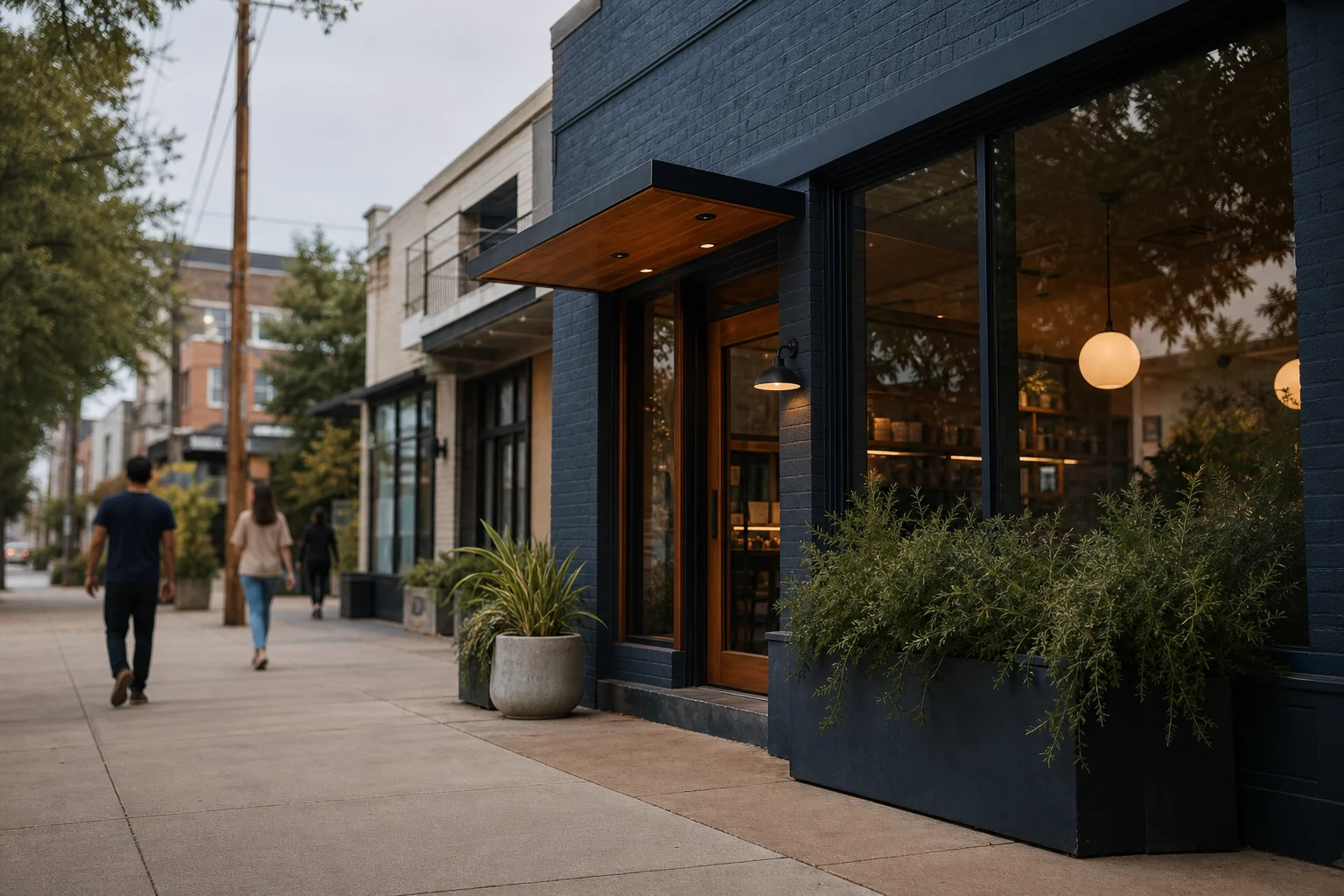
Main startup cost categories
The cost structure for opening a coffee shop in Chicago includes several major components that founders must plan for. Rent typically represents the largest fixed cost, followed by buildout and equipment expenses. Payroll costs, inventory, permits, and cash reserves complete the essential startup cost stack. Each category requires careful validation before committing significant capital.
Rent and lease assumptions in Chicago
Chicago's top coffee shop locations come with substantial rent pressure. According to Locavisor neighborhood scoring, all three top areas have high rent levels, with expectations of roughly $90-140/sqft NNN. South Loop (6.8/10) scores highest overall thanks to maxed-out office density, strong walkability, and a dense residential base. The area draws a strong daytime worker pool (≈10,500 weekday lunch workers within 800m) plus students from Columbia College and Roosevelt University.
The Loop (6.6/10) is Chicago's CBD core with unmatched office density, walkability, and transit connectivity. Demand and competitionFit both score near ceiling, but rentFit is zero. The area is saturated with coffee options including Intelligentsia (4.3★, 2,068 reviews), Hero Coffee and Bagel Bar (4.6★, 908 reviews), and Cafecito (4.5★, 2,430 reviews).
West Loop (6.6/10) represents Chicago's trendiest dining corridor with Google HQ and McDonald's HQ nearby. Demand and competitionFit are near-perfect, but rentFit is zero. Market temperature is promising across all three areas, with medium competition density in South Loop and higher saturation in The Loop and West Loop.
Buildout, equipment, payroll, opening inventory, permits, and cash reserve
Beyond rent, buildout represents a significant cost component for coffee shops in Chicago. The scale of buildout depends heavily on the condition of the space and the brand's aesthetic requirements. Equipment costs vary based on whether you choose new or used equipment and the specific menu offerings.
Payroll expenses must account for staffing needs during both the pre-launch training period and regular operations. Opening inventory costs include coffee beans, milk, syrups, pastries, and other supplies needed for the initial weeks of operation.
Permitting requirements in Chicago can be complex and time-consuming. The city has specific regulations for food service establishments that must be followed before opening. Cash reserves are essential for covering unexpected expenses and maintaining operations during the initial ramp-up period when revenue may be lower than projected.

Lean vs moderate vs generous launch budgets
Founders should consider different budget approaches based on their risk tolerance and financial capacity. A lean launch budget minimizes upfront costs by focusing on essential equipment and simpler operations. A moderate budget allows for more comprehensive equipment and a more polished customer experience. A generous budget enables premium equipment, extensive buildout, and marketing campaigns to build awareness quickly.
The cost to open a coffee shop in Chicago will vary significantly based on which approach you choose. Each level comes with different risk profiles and potential returns. Careful validation of assumptions is crucial regardless of which budget approach you select.
What to validate before spending money
Before committing significant capital to a coffee shop venture in Chicago, founders should validate several key assumptions. Lease terms and conditions must be thoroughly reviewed, including rent increases, maintenance responsibilities, and lease duration. Buildout scope should be carefully planned based on the specific space and brand requirements.
Equipment needs should be validated based on menu offerings and projected volume. Payroll models must account for staffing needs at different levels of business activity. Opening inventory requirements should be based on realistic sales projections. Cash reserve needs should account for unexpected expenses and the ramp-up period before reaching steady-state operations.
Local professional review is essential before finalizing any plans. This includes consultation with a commercial real estate broker familiar with Chicago's coffee shop market, a contractor experienced in food service buildouts, and an accountant who can help model the financial aspects of the business.
FAQ
How much does it cost to open a Coffee Shop in Chicago?
The exact total cost to open a coffee shop in Chicago cannot be estimated from the provided data. Startup costs vary significantly based on location, size, concept, and operational approach. Key variables to validate include lease terms and rent levels, buildout scope and costs, equipment needs and pricing, staffing requirements, inventory needs, permitting requirements, and cash reserve needs. Founders should conduct thorough research and consult with local professionals to develop accurate cost projections for their specific coffee shop concept.
Last reviewed: 2026-05-05
Sources: U.S. Census Bureau ACS, LEHD LODES, Google Places, OpenStreetMap, Locavisor neighborhood scoring.
Methodology: Locavisor scores neighborhoods across demand, competition fit, rent fit, accessibility, and customer match. Scores reflect a snapshot of recent data and should be combined with on-the-ground research before lease decisions.
Disclaimer: This article provides informational content only and does not constitute legal, financial, accounting, or real-estate advice. Verify lease terms, licensing, local regulations, costs, and professional requirements with qualified local professionals before making business decisions.
Free preview shows top 3 neighborhoods. Full $9.99 report covers all 10 areas with personalized scoring + 90-day check-ins.
Informational only. Verify lease, licensing, local regulations, costs, and professional requirements with qualified local professionals.