Columbus, OH · coffee shop
Cost to open a coffee shop in Columbus
Opening a coffee shop in Columbus requires careful planning and understanding of the local market dynamics. The cost to open a coffee shop in Columbus varies significantly based on location, size, concept, and operational approach. This guide breaks down the practical startup-cost stack for Columbus coffee shops, helping founders make informed decisions about rent, buildout, equipment, permits, hiring, launch cash, and common cost traps.
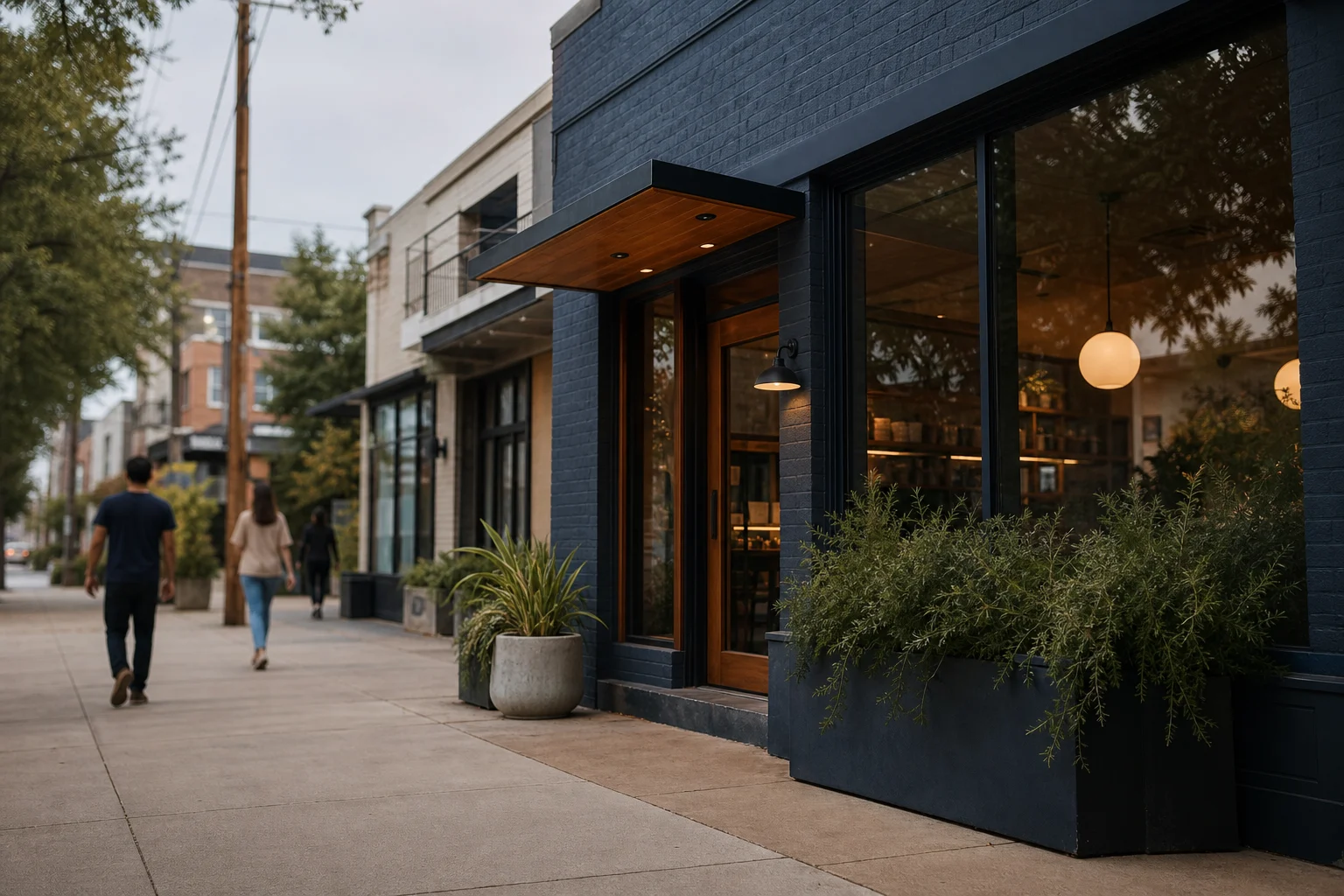
Main startup cost categories
The startup costs for a coffee shop in Columbus fall into several key categories. Each category carries different cost pressures depending on your chosen neighborhood and business model. Understanding these categories helps founders allocate resources effectively and avoid common pitfalls.
Rent typically represents the largest fixed cost, especially in premium locations. Buildout expenses vary widely based on the condition of the space and your design vision. Equipment costs depend on whether you're buying new or used, and the scale of your operation. Permits and licensing add another layer of expenses that can't be overlooked. Payroll requirements must be factored in from day one, even before reaching full capacity. Opening inventory represents your initial stock of coffee beans, milk, syrups, and supplies. Finally, maintaining adequate cash reserves is crucial for weathering the initial months of operation when revenue may be inconsistent.
Rent and lease assumptions in Columbus
Columbus offers several neighborhoods for coffee shop entrepreneurs, each with different rent levels and market characteristics. According to Locavisor neighborhood scoring, the top three areas for coffee shops in Columbus are:
Easton (7.2/10) — Easton Town Center is a master-planned outdoor mall with strong office-adjacent daytime traffic and a built-in retail audience. Rent runs roughly $45-70/sqft NNN — workable for medium budget if you go takeout-first. The Starbucks (4.2★, 673 reviews) and Good Cafe (4.1★, 98 reviews) are nearby but none dominate the specialty indie niche.
Short North (7.1/10) — Short North is Columbus's premier walkable corridor — High Street galleries, restaurants, and nightlife between downtown and OSU. Demand and customer match are near ceiling, but rent is premium territory at roughly $65-95/sqft NNN. The coffee scene is dense: Fox in the Snow Cafe (4.7★, 2,702 reviews), One Line Coffee (4.6★, 884 reviews), Mission Coffee Co.
Italian Village (7.0/10) — Italian Village sits just north of Short North with similar walkability and office density but slightly lower rent pressure — still roughly $65-95/sqft NNN. Same dense coffee competitor set applies (Fox in the Snow, One Line, Mission Coffee, Roaming Goat all within a few blocks). The residential density is strong and the neighborhood is gentrifying with brick row houses and new apartments.
The rent levels in these areas reflect their market positioning and competition density. Easton offers more moderate rent with a promising market temperature and medium competition density. Short North and Italian Village command higher rents due to their premium locations and established coffee scenes. When evaluating lease options, consider not just the base rent but also triple net (NNN) charges, which cover property taxes, insurance, and maintenance.
Buildout, equipment, payroll, opening inventory, permits, and cash reserve
Buildout costs depend heavily on the condition of your chosen space and your design vision. A space that requires minimal renovation will cost less than one needing extensive plumbing, electrical work, or structural changes. The scale of your operation also impacts buildout expenses, with larger spaces requiring more materials and labor.
Equipment represents another significant cost category. Essential equipment includes espresso machines, grinders, brewers, refrigeration units, POS systems, and furniture. The quality and capacity of this equipment should align with your business model and volume expectations. Consider whether buying new or used makes financial sense for your situation.
Payroll requirements must be factored in from day one. This includes not just baristas but potentially managers, bakers, and support staff. Columbus's labor market conditions will influence wage expectations and availability. Factor in payroll taxes, benefits, and training time when budgeting for staffing.
Opening inventory covers your initial stock of coffee beans, milk, syrups, cups, and supplies. The quantity needed depends on your anticipated opening volume and supplier lead times. Establishing relationships with local suppliers can help ensure consistent quality and potentially better pricing.
Permits and licensing add another layer of requirements that vary by location and business type. Columbus has specific regulations for food service establishments that must be followed before opening. These health department permits, business licenses, and potentially alcohol licenses if serving beer or wine should be researched early in the planning process.
Cash reserves are crucial for weathering the initial months of operation when revenue may be inconsistent. Many coffee shops take several months to reach profitability, so having adequate reserves to cover expenses during this period is essential. The amount needed depends on your fixed costs and expected revenue ramp-up.

Lean vs moderate vs generous launch budgets
Coffee shop founders can approach their launch with different budget philosophies, each with trade-offs. A lean launch minimizes upfront investment by focusing on essentials and potentially starting with a smaller footprint or more limited menu. This approach reduces financial risk but may limit initial growth potential.
A moderate launch balances investment with practicality, allowing for a well-equipped space with a solid menu and adequate staffing. This approach provides more flexibility to respond to customer feedback and market demands from the outset.
A generous launch maximizes investment in premium equipment, extensive buildout, and larger opening inventory. This approach positions the business for immediate high volume but carries greater financial risk. The optimal budget approach depends on your financial resources, risk tolerance, and long-term vision for the business.
What to validate before spending money
Before committing significant funds to your coffee shop venture, several key areas should be thoroughly validated. Lease assumptions deserve careful scrutiny, including not just rent but also NNN charges, lease terms, renewal options, and potential renovation allowances. The condition of the space and any required buildout should be assessed by qualified professionals.
Your equipment list should be validated against your business model and projected volume. Consider whether leasing equipment might be more advantageous than purchasing outright. Payroll models should reflect realistic staffing needs for your expected hours of operation and customer volume.
Opening inventory requirements should be validated with potential suppliers to ensure adequate stock levels without excessive initial investment. Cash reserve targets should be based on realistic expense projections and revenue expectations, with consideration for potential delays in reaching full capacity.
Local professional review is invaluable before finalizing your plans. Consult with Columbus-based coffee shop owners, commercial real estate specialists, and small business advisors who understand the local market dynamics. Their insights can help identify potential blind spots and validate your assumptions.
FAQ
How much does it cost to open a Coffee Shop in Columbus?
The exact total cost to open a coffee shop in Columbus cannot be estimated from the provided data. Startup costs vary significantly based on location, size, concept, and operational approach. Key variables to validate include lease terms and buildout requirements in your chosen neighborhood, equipment needs based on your business model, staffing requirements for your expected hours of operation, inventory needs for your opening volume, permit and licensing costs specific to your location, and adequate cash reserves to cover expenses during the initial ramp-up period. Each of these factors should be thoroughly researched and validated before committing funds to your coffee shop venture.
Last reviewed: 2026-05-07
Sources: U.S. Census Bureau ACS, LEHD LODES, Google Places, OpenStreetMap, Locavisor neighborhood scoring.
Methodology: Locavisor scores neighborhoods across demand, competition fit, rent fit, accessibility, and customer match. Scores reflect a snapshot of recent data and should be combined with on-the-ground research before lease decisions.
Disclaimer: This article provides informational content only and does not constitute legal, financial, accounting, or real-estate advice. Verify lease terms, licensing, local regulations, costs, and professional requirements with qualified local professionals before making business decisions.
Free preview shows top 3 neighborhoods. Full $9.99 report covers all 10 areas with personalized scoring + 90-day check-ins.
Informational only. Verify lease, licensing, local regulations, costs, and professional requirements with qualified local professionals.