Los Angeles, CA · coffee shop
Cost to open a coffee shop in Los Angeles
Opening a coffee shop in Los Angeles requires careful planning of startup costs across multiple categories. The cost to open a coffee shop in Los Angeles varies significantly based on location, size, concept, and operational approach. Los Angeles presents a promising market with medium competition density, making it an attractive opportunity for coffee entrepreneurs.
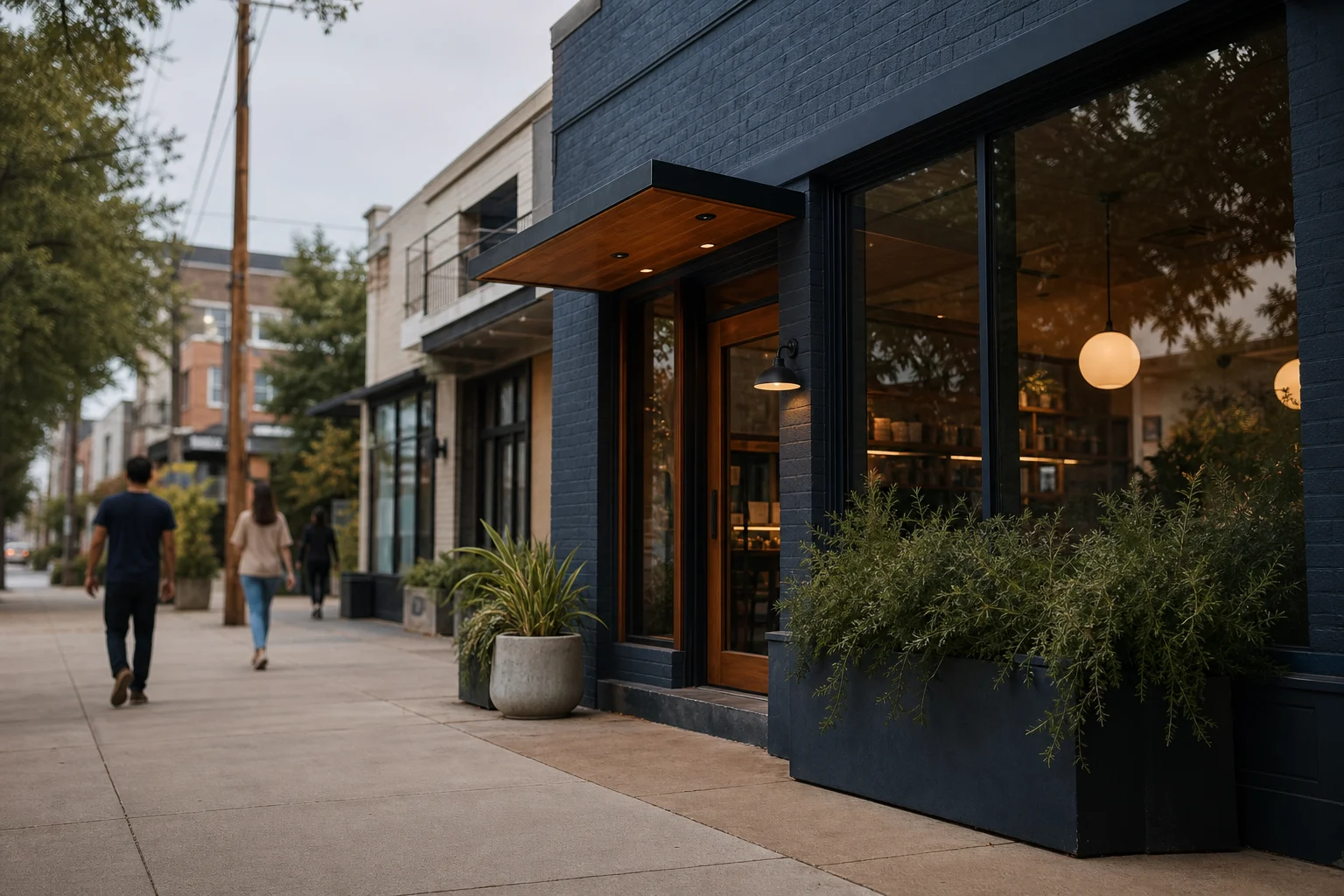
Main startup cost categories
The startup cost stack for a Los Angeles coffee shop includes several major components. Rent represents your largest fixed cost, followed by buildout and equipment expenses. Payroll costs for initial staffing, opening inventory, permits and licenses, and cash reserves for the launch period complete the core financial picture. Each category requires separate validation based on your specific business model and location choice.
Understanding these cost categories helps you allocate resources effectively. The market temperature in Los Angeles is promising, but competition density is medium, meaning you'll need to differentiate your offering while managing costs carefully. Rent levels are noted as low in the data, which could provide some financial relief compared to other major markets.
Rent and lease assumptions in Los Angeles
Location selection significantly impacts your rent costs. Based on Locavisor neighborhood scoring, Downtown LA (DTLA) (8.1/10) ranks as the highest-scoring area with maxed-out office density, city-leading walkability, and strong transit connections via 7th Street/Metro Center and Union Station. Expect roughly $30-50/sqft NNN in this area.
Burbank (7.5/10) offers a strong daytime office population driven by media-studio workers at Disney and Warner Bros. The Downtown Burbank station area provides good walkability with transit connections. Rent expectations align with DTLA at roughly $30-50/sqft NNN.
Culver City (7.4/10) features a downtown core near the Expo Line station with strong walkability, a dense office cluster including Sony, Apple TV+, and Amazon Studios, and an affluent residential base. This area commands higher rent at roughly $45-70/sqft NNN, making it the priciest of the three top locations.
Your lease terms will significantly impact your financial model. Negotiate for favorable terms including rent abatement periods, improvement allowances, and lease duration that matches your business plan. Consider the specific characteristics of each neighborhood and how they align with your target customer base.
Buildout, equipment, payroll, opening inventory, permits, and cash reserve
Buildout costs depend on the condition of your space and your design vision. A complete renovation from bare walls to operational coffee shop requires substantial investment. Equipment represents another major expense, including espresso machines, grinders, brewers, refrigeration, and POS systems.
Payroll costs for initial staffing should account for baristas, managers, and support personnel during the launch phase. Opening inventory covers coffee beans, milk, syrups, pastries, and supplies to sustain operations until regular sales volume is established.
Permits and licenses include health department approvals, business licenses, and specific coffee shop operating certificates. The process can be time-consuming and requires careful attention to local regulations.
Cash reserves are essential for covering expenses before reaching break-even. Maintain sufficient funds to support operations during the ramp-up period when sales may not yet cover all costs.
Lean vs moderate vs generous launch budgets
A lean launch budget minimizes fixed costs while establishing your core offering. This approach might involve a smaller footprint, used equipment, and a simplified menu. The trade-off is potentially slower growth and limited differentiation in a competitive market.
A moderate launch budget allows for a more complete setup with quality equipment, comfortable seating, and a diverse menu. This approach provides better positioning in the market while maintaining reasonable cost controls.
A generous launch budget maximizes your initial investment with premium equipment, extensive buildout, and comprehensive staffing. This approach offers the strongest market entry but requires higher financial risk and longer break-even timelines.
The right budget approach depends on your specific concept, target market, and risk tolerance. Consider how each option aligns with your long-term business vision and available capital.
What to validate before spending money
Before committing significant funds, validate your lease assumptions. Confirm the quoted rent per square foot and understand all additional costs like property taxes, insurance, and common area maintenance. Verify foot traffic patterns and customer demographics match your business plan.
Validate your buildout scope with professional contractors. Get detailed quotes for construction, plumbing, electrical work, and installation. Ensure your design meets health department requirements and ADA accessibility standards.
Validate your equipment list with industry suppliers. Compare quotes for new versus refurbished equipment. Consider maintenance costs and warranty coverage for each major piece.
Validate your payroll model with industry standards for staffing levels and wages. Factor in payroll taxes, benefits, and training costs. Consider whether you'll need specialized barista training or certifications.
Validate your opening inventory requirements with suppliers. Establish relationships with coffee roasters, food distributors, and supply vendors. Understand lead times and minimum order quantities.
Validate your cash reserve needs with conservative sales projections. Maintain sufficient funds to cover at least three months of operating expenses. Consider potential delays in reaching break-even.
FAQ
How much does it cost to open a Coffee Shop in Los Angeles?
The exact total cost to open a coffee shop in Los Angeles cannot be estimated from the provided data. Startup costs vary significantly based on location, size, concept, and operational approach. Key variables to validate include rent per square foot in your chosen neighborhood, buildout requirements, equipment specifications, staffing needs, inventory requirements, permit costs, and cash reserve needs. The data indicates rent levels are low in Los Angeles, with expectations of roughly $30-50/sqft NNN in Downtown LA and Burbank, and $45-70/sqft NNN in Culver City. However, these figures represent only one component of your total startup investment. A detailed business plan with professional financial projections is essential for determining your specific startup costs.
Last reviewed: 2026-05-05
Sources: U.S. Census Bureau ACS, LEHD LODES, Google Places, OpenStreetMap, Locavisor neighborhood scoring.
Methodology: Locavisor scores neighborhoods across demand, competition fit, rent fit, accessibility, and customer match. Scores reflect a snapshot of recent data and should be combined with on-the-ground research before lease decisions.
Disclaimer: This article provides informational content only and does not constitute legal, financial, accounting, or real-estate advice. Verify lease terms, licensing, local regulations, costs, and professional requirements with qualified local professionals before making business decisions.
Free preview shows top 3 neighborhoods. Full $9.99 report covers all 10 areas with personalized scoring + 90-day check-ins.
Informational only. Verify lease, licensing, local regulations, costs, and professional requirements with qualified local professionals.