New York, NY · coffee shop
Cost to open a coffee shop in New York
Opening a coffee shop in New York presents unique challenges and opportunities. The city's high real estate costs, dense population, and competitive market make it both an attractive and expensive venture. Understanding the cost structure is essential for any small-business founder considering this market. New York's coffee shop scene is vibrant, with established players and new entrants constantly reshaping consumer expectations. The cost to open a coffee shop in New York varies significantly based on location, size, and concept, but certain cost pressures are consistent across the board.
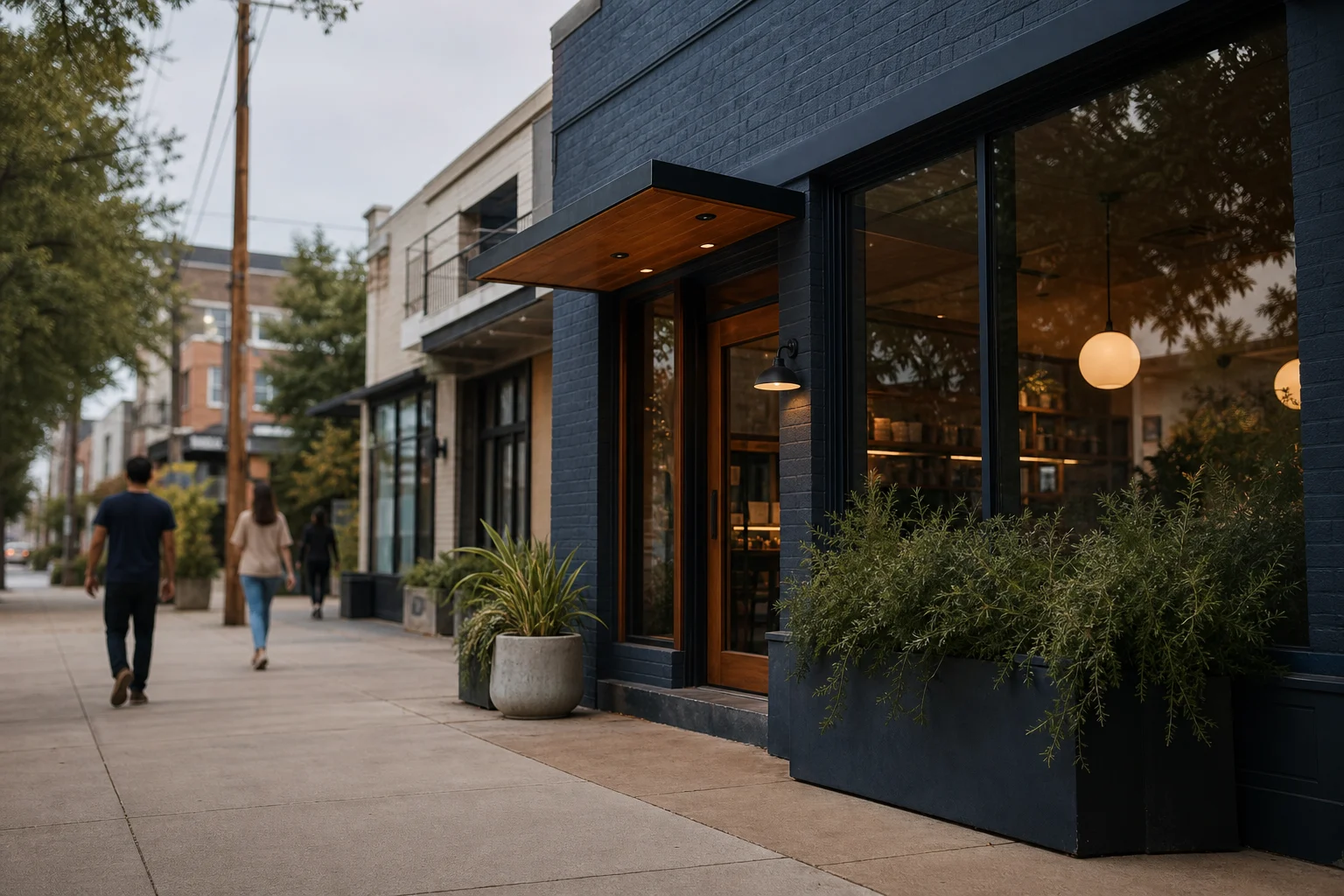
What does it cost to open a coffee shop in New York?
The cost to open a coffee shop in New York depends heavily on location, size, and concept. While exact figures vary, founders should expect significant investments in real estate, buildout, equipment, and operational costs. New York's premium real estate market, particularly in Manhattan, drives much of the startup expense. The city's diverse neighborhoods offer different rent structures and customer demographics, which directly impact the financial model. Founders must carefully evaluate neighborhood characteristics, competition density, and local regulations when estimating startup costs.
Major cost categories
Lease deposit and first/last month
Securing a suitable location is often the largest upfront expense for a coffee shop in New York. Most landlords require first and last month's rent plus a security deposit, typically equivalent to one to three months' rent. In prime Manhattan neighborhoods, this can represent a substantial capital requirement. The rent bands in top neighborhoods vary significantly, with Murray Hill showing a range of $37-$670/sqft/yr NNN, while Chelsea and Flatiron/NoMad both show $220/sqft/yr NNN. These variations reflect the premium locations and their desirability for coffee shop businesses.
Tenant improvements and buildout
Converting raw or previously used space into a functional coffee shop requires significant investment in tenant improvements. This includes plumbing for espresso machines and sinks, electrical work for specialized equipment, flooring, and interior finishes. The condition of the space and local building codes will heavily influence these costs. In New York, historic districts and landmark buildings may impose additional restrictions and expenses. Founders should budget carefully for unexpected structural issues or code compliance requirements that often arise during renovation.
Equipment and furniture
Coffee shop equipment represents a major capital expenditure, including espresso machines, grinders, refrigeration, POS systems, and furniture. The scale and quality of equipment should align with the business concept and target customer base. High-end espresso machines and specialized brewing equipment can significantly increase upfront costs but may justify premium pricing. Furniture selection also impacts both customer experience and budget, with options ranging from basic seating to custom-designed spaces.
Licenses, permits, and insurance
New York City requires various licenses and permits to operate a coffee shop, including a Food Service Establishment permit from the Department of Health and Mental Hygiene, and potentially a sidewalk café license if outdoor seating is planned. Insurance requirements typically include general liability, property insurance, and workers' compensation. These costs, while not as substantial as real estate or equipment, are essential for legal operation and risk management.
Initial inventory or supplies
Stocking a coffee shop with coffee beans, milk, syrups, pastries, and other supplies requires working capital. The initial inventory should support several weeks of operation while the business establishes its supply chain and sales patterns. Quality ingredients often come at a premium, particularly for specialty coffee roasters and artisanal products.
Pre-opening payroll and training
Hiring and training staff before opening requires careful cash flow management. New York's minimum wage and competitive labor market mean payroll costs are significant. Founders should budget for several weeks of payroll for opening staff, including baristas, managers, and possibly a chef or pastry maker.
Working capital reserve
A working capital reserve is crucial for covering operating expenses during the initial months when revenue may be below projections. This reserve should cover at least three to six months of operating costs, including rent, payroll, utilities, and supplies. Many coffee shops underestimate the time required to reach profitability, making a robust working capital reserve essential for survival.
How New York compares to other NY markets
New York City's coffee shop startup costs differ significantly from other New York markets. Manhattan neighborhoods like Murray Hill, Chelsea, and Flatiron/NoMad command premium rents, with Chelsea and Flatiron/NoMad showing $220/sqft/yr NNN, while Murray Hill shows a wider range of $37-$670/sqft/yr NNN. These higher rents reflect greater foot traffic, tourist presence, and customer spending power. In contrast, neighborhoods in Brooklyn or Queens may offer more affordable real estate options but with different customer demographics and foot traffic patterns. The competitive landscape also varies, with Manhattan having higher density of established coffee shops and premium brands.
What competition looks like in the top areas
The top neighborhoods for coffee shops in New York show varying competitive landscapes. Murray Hill, with an overall score of 6.4/10, features established players like Remi43 Flower & Coffee, The Clock Coffee Shop, and Starbucks Reserve - Empire State Building. Chelsea, scoring 6.2/10, includes Starbucks Reserve Roastery New York and Citizen of Chelsea. Koreatown, also scoring 6.2/10, has a different customer base and competitive dynamics. Times Square/Theater District and Flatiron/NoMad, both scoring 6.2/10, cater to tourists and office workers respectively. Understanding the competitive landscape in these areas helps founders position their concept and pricing strategy effectively.
| Neighborhood | Score | Rent Band | Key Anchors | Customer Base |
|---|---|---|---|---|
| Murray Hill | 6.4/10 | $37-$670/sqft/yr NNN | Hudson Yards, Grand Central Plaza, Yeshiva University | Office workers, students, tourists |
| Chelsea | 6.2/10 | $220/sqft/yr NNN | Chelsea Market, Google NYC, CUNY SPS | Creative professionals, tourists, students |
| Koreatown | 6.2/10 | $37-$670/sqft/yr NNN | Korea Town Shopping, Empire State University | Korean community, students, office workers |
| Times Square/Theater District | 6.2/10 | $37-$670/sqft/yr NNN | Times Square, Touro University, Theater venues | Tourists, theater-goers, office workers |
| Flatiron/NoMad | 6.2/10 | $220/sqft/yr NNN | The Yard coworking, Baruch College, 5th Ave | Professionals, shoppers, tourists |
Common cost overrun patterns
Several cost overrun patterns frequently impact coffee shop startups in New York. Underestimating buildout costs is common, particularly when encountering unexpected structural issues or code compliance requirements. Rent negotiations often result in higher-than-expected costs, especially in competitive neighborhoods. Equipment purchases can exceed budgets when founders opt for higher-end or specialized machinery. Inventory management challenges frequently lead to overstocking or stockouts, impacting cash flow. Many founders also underestimate the time and cost required for permit approvals, which can delay openings and increase holding costs.
How to validate your number before committing capital
Validating cost assumptions is critical before committing capital to a New York coffee shop. Research comparable rents in target neighborhoods using current market data. Obtain multiple contractor bids for buildout costs, including contingency allowances. Test equipment needs through pop-up operations or temporary setups. Analyze competitor pricing and product offerings to validate your own pricing strategy. Consult with local coffee shop owners or industry experts for insights on hidden costs. Create detailed cash flow projections that account for slower-than-expected revenue growth. Consider engaging a professional advisor familiar with New York's coffee shop market to review your financial model.

FAQ
Q: What are the most affordable neighborhoods for opening a coffee shop in New York?
A: Based on Locavisor scoring, Murray Hill offers the most varied rent range at $37-$670/sqft/yr NNN, though specific locations within this neighborhood may still command premium prices. Koreatown also shows a wide rent range of $37-$670/sqft/yr NNN, potentially offering more affordable options compared to Chelsea or Flatiron/NoMad, which both show $220/sqft/yr NNN.
Q: How do I determine the right size for my coffee shop in New York?
A: The optimal size depends on your concept, target customer, and budget. Smaller footprints (800-1,200 sq ft) work well for specialty coffee shops focusing on high-margin beverages, while larger spaces (1,500-2,500 sq ft) may be suitable for full-service cafes with food offerings. Consider foot traffic patterns, seating capacity, and equipment requirements when deciding on size.
Q: What permits do I need to open a coffee shop in New York City?
A: You'll need a Food Service Establishment permit from the NYC Department of Health and Mental Hygiene, and potentially a Sidewalk Café License if you plan outdoor seating. Additional permits may be required from the Department of Buildings for construction and the Department of Consumer Affairs for business registration. Always verify current requirements with the relevant agencies.
Last reviewed: 2026-05-30
Sources: U.S. Census Bureau ACS, LEHD LODES, Google Places, OpenStreetMap, Locavisor neighborhood scoring.
Methodology: Locavisor scores neighborhoods across demand, competition fit, rent fit, accessibility, and customer match. Scores reflect a snapshot of recent data and should be combined with on-the-ground research before lease decisions.
Disclaimer: This article provides informational content only and does not constitute legal, financial, accounting, or real-estate advice. Verify lease terms, licensing, local regulations, costs, and professional requirements with qualified local professionals before making business decisions.
Free preview shows top 3 neighborhoods. Full $9.99 report covers all 10 areas with personalized scoring + 90-day check-ins.
Informational only. Verify lease, licensing, local regulations, costs, and professional requirements with qualified local professionals.