Philadelphia, PA · coffee shop
Cost to open a coffee shop in Philadelphia
Philadelphia's coffee shop scene presents a compelling opportunity for entrepreneurs, but understanding the cost structure requires careful analysis of location, competition, and operational expenses. The city's diverse neighborhoods offer varying rent structures, customer demographics, and competitive landscapes that directly impact startup costs. Before committing capital, founders must validate assumptions about lease terms, buildout requirements, and local market dynamics.
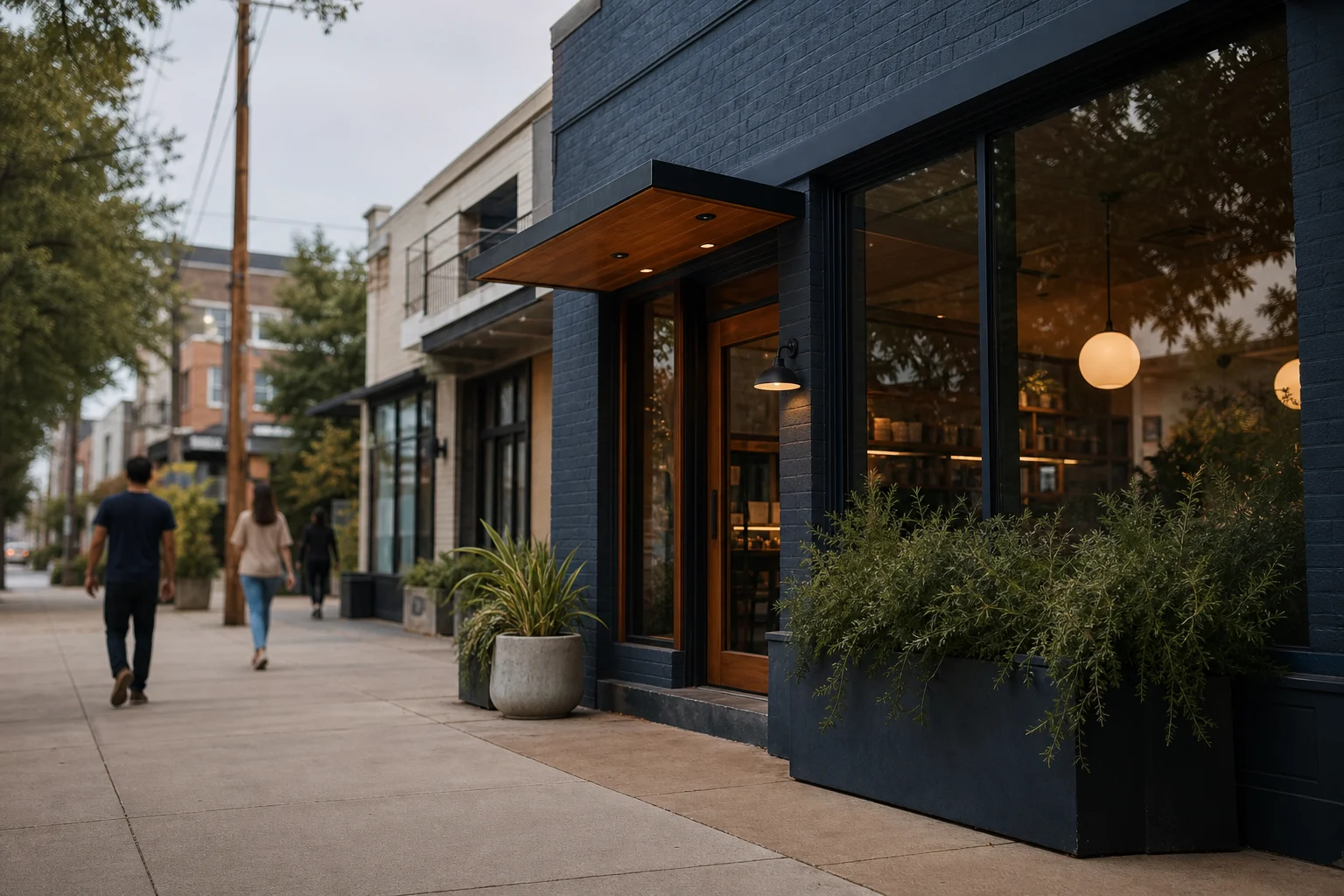
What does it cost to open a coffee shop in Philadelphia?
The cost to open a coffee shop in Philadelphia varies significantly based on location, size, and concept, but founders should expect substantial investments in real estate, buildout, equipment, and working capital. Philadelphia's competitive coffee market, with established players like Madis Coffee Roasters and Haraz Coffee House in University City, requires careful positioning to capture market share. The city's top neighborhoods for coffee shops-University City, Powelton Village, Fairmount/Art Museum Area, Spring Garden/Loft District, and Rittenhouse Square-offer different rent structures and customer profiles that directly influence startup costs.
Major cost categories
Lease deposit and first/last month
Your largest upfront cost will typically be the security deposit and first/last month's rent. In Philadelphia's top coffee shop neighborhoods, rent bands range from $21-$70/sqft/yr NNN, with Rittenhouse Square commanding the highest rates at $70/sqft/yr NNN. University City, Powelton Village, Fairmount/Art Museum Area, and Spring Garden/Loft District all fall within the $21-$70/sqft/yr NNN range. These rent structures significantly impact monthly overhead and require careful cash flow planning. NNN (Triple Net) leases mean you'll pay a portion of property taxes, insurance, and maintenance in addition to base rent.
Tenant improvements and buildout
Coffee shops require substantial tenant improvements to create an inviting atmosphere while meeting health and safety codes. The condition of the space you lease directly impacts buildout costs-older buildings may need more extensive electrical, plumbing, and HVAC work. University City locations near CIC Philadelphia or uCity Square often have modern infrastructure, potentially reducing renovation expenses. Conversely, spaces in historic districts might require preservation-compliant modifications that increase costs.
Equipment and furniture
Quality coffee equipment represents a major capital expenditure. Philadelphia's established coffee shops like ELIXR Coffee 3675 Market and Arterial Coffee demonstrate the importance of professional-grade equipment for consistent product quality. Your equipment list will include espresso machines, grinders, brewers, refrigeration, and POS systems. Furniture costs vary based on whether you're creating a minimalist space like Switch Cafe or a more traditional setup like Corner Bakery Cafe.
Licenses, permits, and insurance
Philadelphia requires specific licenses and permits for food service businesses. You'll need a food establishment license from the Department of Public Health, potentially a liquor license if serving alcohol, and building permits for any construction work. Insurance costs include general liability, property, and workers' compensation coverage. These requirements add both time and expense to your startup timeline.
Initial inventory or supplies
Your initial inventory should cover at least a variable local timeline of operations. This includes coffee beans, milk, syrups, pastries, cups, and cleaning supplies. The diversity of Philadelphia's coffee scene, from tropical smoothie concepts like Tropical Smoothie Cafe to traditional coffee houses like Sabrina's Cafe, means inventory needs vary significantly by concept. Local suppliers can help reduce costs while supporting the community.
Pre-opening payroll and training
Hiring and training staff before opening requires careful cash flow management. Philadelphia's competitive labor market means offering competitive wages to attract quality baristas. Training programs should cover coffee preparation, customer service, and POS systems. The experience of local operators shows that understaffing during peak hours (mentioned in customer reviews) can damage reputation, making adequate initial staffing crucial.
Working capital reserve
Most financial advisors recommend having a variable local timeline of operating capital reserved for unexpected expenses. Philadelphia's seasonal variations and competitive landscape make this buffer essential. Customer reviews highlighting both exceptional service and occasional understaffing issues demonstrate the importance of maintaining financial flexibility.
How Philadelphia compares to other PA markets
What competition looks like in the top areas
Philadelphia's top coffee neighborhoods each have distinct competitive dynamics:
- University City: Home to Madis Coffee Roasters, Haraz Coffee House, and ELIXR Coffee 3675 Market, this area caters to students and professionals with high-quality coffee and study-friendly atmospheres.
- Powelton Village: Features Sabrina's Cafe and Arterial Coffee, serving both local residents and students from nearby universities with a mix of traditional and modern coffee experiences.
- Fairmount/Art Museum Area: Attracts art enthusiasts and locals with cafes positioned near cultural institutions.
- Spring Garden/Loft District: Appeals to young professionals and creatives with modern, industrial-style coffee shops.
- Rittenhouse Square: Premium location with higher rent costs, targeting affluent customers and business professionals.
Common cost overrun patterns
Many Philadelphia coffee shop founders experience cost overruns in three key areas:
- Unexpected buildout expenses: Older buildings, especially in historic districts, often reveal structural issues during renovation that increase costs.
- Equipment upgrades: Starting with budget equipment and needing to upgrade mid-season impacts both finances and customer experience.
- Permit delays: Philadelphia's regulatory process can be lengthy, causing opening delays that increase pre-opening expenses.
Customer reviews highlighting space limitations and service inconsistencies demonstrate how these overruns affect operations. A narrow space like some Philadelphia coffee shops can limit seating capacity, directly impacting revenue potential.
How to validate your number before committing capital
Before signing a lease or ordering equipment, validate your assumptions through:
- Rent verification: Contact local brokers to confirm current rates in your target neighborhood. University City's $21-$70/sqft/yr NNN range requires precise local knowledge.
- Competitor analysis: Visit local coffee shops like Green Line Cafe and Tropical Smoothie Cafe to understand their pricing, offerings, and customer flow.
- Supplier quotes: Get detailed quotes for equipment and inventory from multiple Philadelphia-based suppliers.
- Professional consultations: Hire a Philadelphia-based architect or contractor to assess buildout costs for your specific space.
| Neighborhood | Locavisor score | Rent band | Local operator signal | Founder validation check |
|---|---|---|---|---|
| University City | 6.8/10 | $21-$70/sqft/yr NNN | Madis Coffee Roasters, Haraz Coffee House | Validate lease terms, buildout condition, equipment scope, and reserves. |
| Powelton Village | 6.7/10 | $21-$70/sqft/yr NNN | Sabrina's Cafe, Madis Coffee Roasters | Validate lease terms, buildout condition, equipment scope, and reserves. |
| Fairmount / Art Museum Area | 6.5/10 | $21-$70/sqft/yr NNN | Sabrina's Cafe, Warehouse Cafe Philly | Validate lease terms, buildout condition, equipment scope, and reserves. |
| Spring Garden / Loft District | 6.4/10 | $21-$70/sqft/yr NNN | Sabrina's Cafe, Warehouse Cafe Philly | Validate lease terms, buildout condition, equipment scope, and reserves. |
| Rittenhouse Square | 6.3/10 | $70/sqft/yr NNN | Elixr Coffee Roasters, K'Far Cafe | Validate lease terms, buildout condition, equipment scope, and reserves. |

FAQ
Q: What's the average rent per square foot for a coffee shop in Philadelphia's best neighborhoods? A: Philadelphia's top coffee shop neighborhoods have rent bands ranging from $21-$70/sqft/yr NNN. University City, Powelton Village, Fairmount/Art Museum Area, and Spring Garden/Loft District fall within $21-$70/sqft/yr NNN, while Rittenhouse Square commands the highest rates at $70/sqft/yr NNN.
Q: How does Philadelphia's coffee shop market differ from New York or Boston? A: Philadelphia offers lower rent structures than NYC or Boston while maintaining a robust coffee culture. The city's university presence and diverse neighborhoods create unique opportunities not found in larger markets, though competition remains fierce.
Q: What permits are required to open a coffee shop in Philadelphia? A: You'll need a food establishment license from the Philadelphia Department of Public Health, potentially a liquor license if serving alcohol, and building permits for any construction work. Each requirement has specific documentation and inspection processes.
Last reviewed: 2026-05-30
Sources: U.S. Census Bureau ACS, LEHD LODES, Google Places, OpenStreetMap, Locavisor neighborhood scoring.
Methodology: Locavisor scores neighborhoods across demand, competition fit, rent fit, accessibility, and customer match. Scores reflect a snapshot of recent data and should be combined with on-the-ground research before lease decisions.
Disclaimer: This article provides informational content only and does not constitute legal, financial, accounting, or real-estate advice. Verify lease terms, licensing, local regulations, costs, and professional requirements with qualified local professionals before making business decisions.
Free preview shows top 3 neighborhoods. Full $9.99 report covers all 10 areas with personalized scoring + 90-day check-ins.
Informational only. Verify lease, licensing, local regulations, costs, and professional requirements with qualified local professionals.