Portland, OR · coffee shop
Cost to open a coffee shop in Portland
Opening a coffee shop in Portland requires navigating a complex cost structure shaped by the city's unique real estate market, local competition, and regulatory environment. The cost to open a coffee shop in Portland varies significantly based on location, size, and concept, but founders must understand the major cost categories and how Portland's specific market dynamics impact each one. The city's reputation as a coffee-loving community means competition is fierce, and prime locations come at a premium.
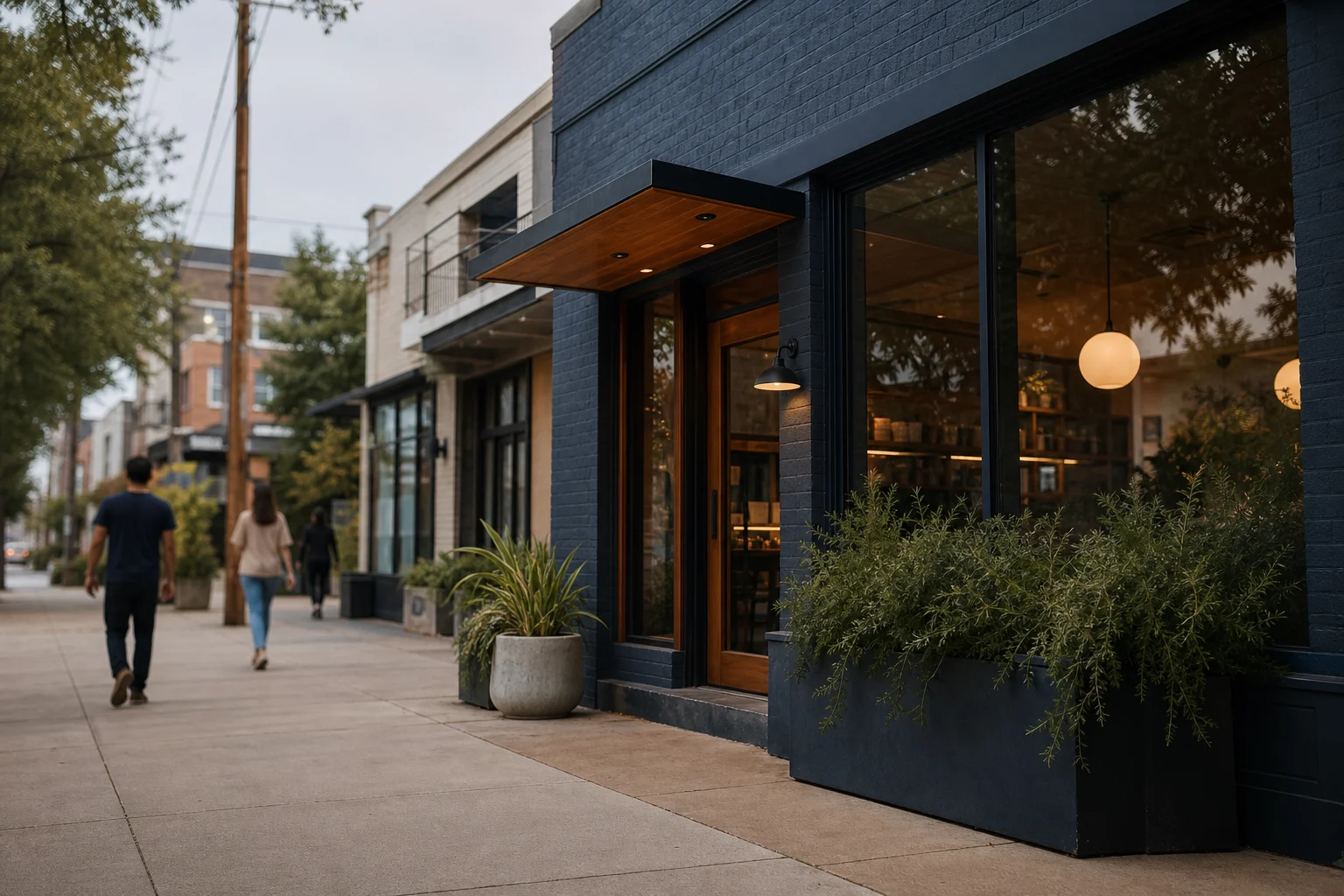
What does it cost to open a coffee shop in Portland?
The cost to open a coffee shop in Portland depends on several key factors, with location being the single most significant variable. Portland's real estate market, particularly in desirable neighborhoods, creates substantial upfront costs that founders must account for. The city's coffee culture has fostered a dense market with established players, requiring new entrants to either differentiate strongly or secure prime locations that justify higher investment.
When evaluating the cost to open a coffee shop in Portland, founders should consider lease deposits, tenant improvements, equipment purchases, licensing fees, and initial inventory. Each of these categories carries specific considerations in Portland's market, from the city's building codes to the preferences of local coffee drinkers who often value quality and experience over price alone.
Major cost categories
Lease deposit and first/last month
Lease costs represent one of the largest upfront expenses for any coffee shop in Portland. The city's competitive real estate market means founders must secure desirable locations quickly, often requiring substantial deposits and first/last month payments. Portland's top neighborhoods for coffee shops show significant variation in rental rates, with Downtown and the Pearl District commanding premium prices at $42/sqft/yr NNN, while areas like St. Johns and Goose Hollow offer more accessible options in the $25-$42/sqft/yr NNN range.
The deposit requirements in Portland typically range from one to three months' rent, depending on the landlord and the founder's creditworthiness. In competitive areas like Downtown, where businesses like Stumptown Coffee Roasters and Case Study Coffee Roasters have established strong presences, landlords may demand higher deposits or more favorable lease terms. Founders should budget carefully for these upfront costs, as they can represent 10-20% of total startup capital.
Tenant improvements and buildout
Tenant improvements (TI) and buildout costs in Portland vary widely based on the condition of the space and the complexity of the design. Older buildings in neighborhoods like St. Johns may require significant electrical, plumbing, and HVAC upgrades, while newer spaces in Downtown or the Pearl District might need only cosmetic improvements. The city's building codes and accessibility requirements add to these costs, with Portland's Bureau of Development Services overseeing compliance.
Equipment and furniture
Coffee shop equipment represents a major capital expenditure, with Portland's market offering both new and used options. Essential equipment includes espresso machines, grinders, refrigeration, POS systems, and seating. The city's coffee culture means founders should invest in quality equipment that can produce consistent results, as customers expect high standards.
Furniture costs vary based on the concept, with minimalist designs potentially costing less than full-service café setups. Portland's climate also influences furniture choices, with outdoor seating requiring weather-resistant materials. Founders should balance initial investment with long-term durability, as frequent replacements can erode profitability.
Licenses, permits, and insurance
Portland requires several licenses and permits to operate a coffee shop, including a business license, food service permit, and potentially a liquor license if alcohol will be served. The city's Multnomah County Health Department oversees food safety regulations, while the Oregon Liquor Control Commission handles alcohol permits. Insurance costs include general liability, property, and workers' compensation, with premiums varying based on location and coverage levels.
Permit fees in Portland can range from a few hundred to several thousand dollars, depending on the scope of work and the specific requirements. Founders should budget for these costs and allow sufficient time for the approval process, which can take several weeks to months depending on the complexity of the project.
Initial inventory or supplies
Initial inventory costs include coffee beans, milk, syrups, pastries, and packaging materials. Portland's coffee culture means founders should source high-quality beans, potentially from local roasters, which can be more expensive but align with customer expectations. Inventory levels should be carefully managed to avoid waste while ensuring adequate stock during the opening period.
Supplies like cups, lids, napkins, and cleaning products represent ongoing costs that founders must account for in their initial budget. The city's emphasis on sustainability may influence packaging choices, with many customers preferring compostable or recyclable options.
Pre-opening payroll and training
Pre-opening payroll includes salaries for the founder and any staff being trained before the grand opening. Training costs in Portland may be higher due to the city's competitive labor market, where experienced baristas can command premium wages. Founders should budget for at least a variable local timeline of payroll before opening, depending on the size of the team and the complexity of the menu.
Training programs should cover not only coffee preparation but also customer service, POS systems, and Portland-specific regulations. The city's coffee culture means customers have high expectations, making thorough training essential for success.
Working capital reserve
A working capital reserve is critical for covering operating expenses during the initial months when revenue may be lower than expected. Portland's market requires founders to plan for at least a variable local timeline of operating costs, including rent, payroll, utilities, and inventory. This reserve provides a buffer against slow starts and unexpected expenses.
The reserve should be separate from the initial investment and accessible but not easily spent. Founders should monitor cash flow closely during the first year and adjust their reserve as needed based on actual performance.
How Portland compares to other OR markets
The city's density of coffee shops, with over 200 establishments according to local data, means founders must either find a niche or secure a prime location to stand out. Neighborhoods like Downtown, with businesses like Stumptown Coffee Roasters and Case Study Coffee Roasters, demonstrate the potential for success but also the challenges of competing in a crowded market.
What competition looks like in the top areas
Portland's top neighborhoods for coffee shops offer varying levels of competition and customer demographics. Downtown, with an overall score of 5.8/10, features established players like Stumptown Coffee Roasters, Case Study Coffee Roasters, and Starbucks Coffee Company. This area attracts both locals and tourists, with high foot traffic from offices, schools, and transit hubs.
The Pearl District, scoring 5.4/10, offers a more upscale market with businesses like Less and More Coffee and Dutch Bros Coffee. This neighborhood's higher rent band of $42/sqft/yr NNN reflects its desirability, with customers often willing to pay premium prices for quality coffee and ambiance.
St. Johns, with a score of 6.1/10, presents a more accessible market with lower rent bands of $25-$42/sqft/yr NNN. This neighborhood, anchored by St. Johns Plaza and the University of Portland, offers opportunities for founders to establish a local presence without the intense competition of Downtown.
Common cost overrun patterns
Several common cost overruns can impact coffee shop startups in Portland. Underestimating buildout costs is a frequent issue, as older buildings often require unexpected repairs or upgrades to meet city codes. Founders should budget a 15-20% contingency for TI costs to account for surprises.
Equipment costs frequently exceed initial estimates, especially when founders opt for higher-quality or specialized machinery. Portland's coffee culture means customers expect consistency, making reliable equipment essential, but this can come at a premium.
Permit delays are another common issue, with the city's regulatory process sometimes taking longer than anticipated. Founders should allow extra time in their timeline and budget for potential delays to avoid rushing the opening or incurring additional costs.
How to validate your number before committing capital
Validating cost estimates is crucial before committing capital to a coffee shop in Portland. Founders should obtain multiple quotes for equipment, buildout, and professional services to ensure competitive pricing. Researching local market rates for rent and labor provides a realistic baseline for financial projections.
Visiting potential locations and observing foot traffic helps validate assumptions about customer volume and revenue potential. Talking to existing coffee shop owners, when possible, can provide insights into actual operating costs and challenges specific to Portland's market.
Creating detailed financial projections with conservative assumptions helps founders understand the break-even point and required sales volume. This analysis should include sensitivity testing to account for variations in costs and revenue.
| Neighborhood | Locavisor score | Rent band | Local operator signal | Founder validation check |
|---|---|---|---|---|
| St. Johns | 6.1/10 | $25-$42/sqft/yr NNN | No direct operator listed | Validate lease terms, buildout condition, equipment scope, and reserves. |
| Downtown | 5.8/10 | $42/sqft/yr NNN | Less and more coffee, Stumptown Coffee Roasters | Validate lease terms, buildout condition, equipment scope, and reserves. |
| Goose Hollow | 5.7/10 | $25-$42/sqft/yr NNN | Behind The Museum Cafe, Never Coffee | Validate lease terms, buildout condition, equipment scope, and reserves. |
| OHSU / South Waterfront | 5.4/10 | $25-$42/sqft/yr NNN | Ross Island Grocery & Cafe, All Your Heart Coffee | Validate lease terms, buildout condition, equipment scope, and reserves. |
| Pearl District | 5.4/10 | $42/sqft/yr NNN | Prince Coffee, Sisters Coffee Company in The Pearl District | Validate lease terms, buildout condition, equipment scope, and reserves. |

FAQ
What are the most affordable neighborhoods in Portland to open a coffee shop?
St. Johns and Goose Hollow offer more affordable options with rent bands of $25-$42/sqft/yr NNN, compared to Downtown and the Pearl District's $42/sqft/yr NNN. St. Johns, with a score of 6.1/10, provides access to the University of Portland and local residents, while Goose Hollow offers proximity to transit and office buildings.
How does Portland's coffee culture impact startup costs?
Portland's coffee culture means customers expect high-quality coffee and experience, potentially requiring higher equipment and inventory investments. The competitive market also means founders may need to invest more in marketing and differentiation to stand out among established players like Stumptown Coffee Roasters and Case Study Coffee Roasters.
What permits are required to open a coffee shop in Portland?
Portland requires a business license, food service permit from the Multnomah County Health Department, and potentially a liquor license from the Oregon Liquor Control Commission. Founders should consult with the city's Bureau of Development Services to understand all requirements specific to their location and concept.
Last reviewed: 2026-05-30
Sources: U.S. Census Bureau ACS, LEHD LODES, Google Places, OpenStreetMap, Locavisor neighborhood scoring.
Methodology: Locavisor scores neighborhoods across demand, competition fit, rent fit, accessibility, and customer match. Scores reflect a snapshot of recent data and should be combined with on-the-ground research before lease decisions.
Disclaimer: This article provides informational content only and does not constitute legal, financial, accounting, or real-estate advice. Verify lease terms, licensing, local regulations, costs, and professional requirements with qualified local professionals before making business decisions.
Free preview shows top 3 neighborhoods. Full $9.99 report covers all 10 areas with personalized scoring + 90-day check-ins.
Informational only. Verify lease, licensing, local regulations, costs, and professional requirements with qualified local professionals.