San Francisco, CA · coffee shop
Cost to open a coffee shop in San Francisco
Opening a coffee shop in San Francisco presents unique cost challenges that differ significantly from other California markets. The city's high real estate costs, competitive market saturation, and regulatory environment create a distinct financial landscape for entrepreneurs. Understanding these cost drivers is essential before committing capital to a new venture.
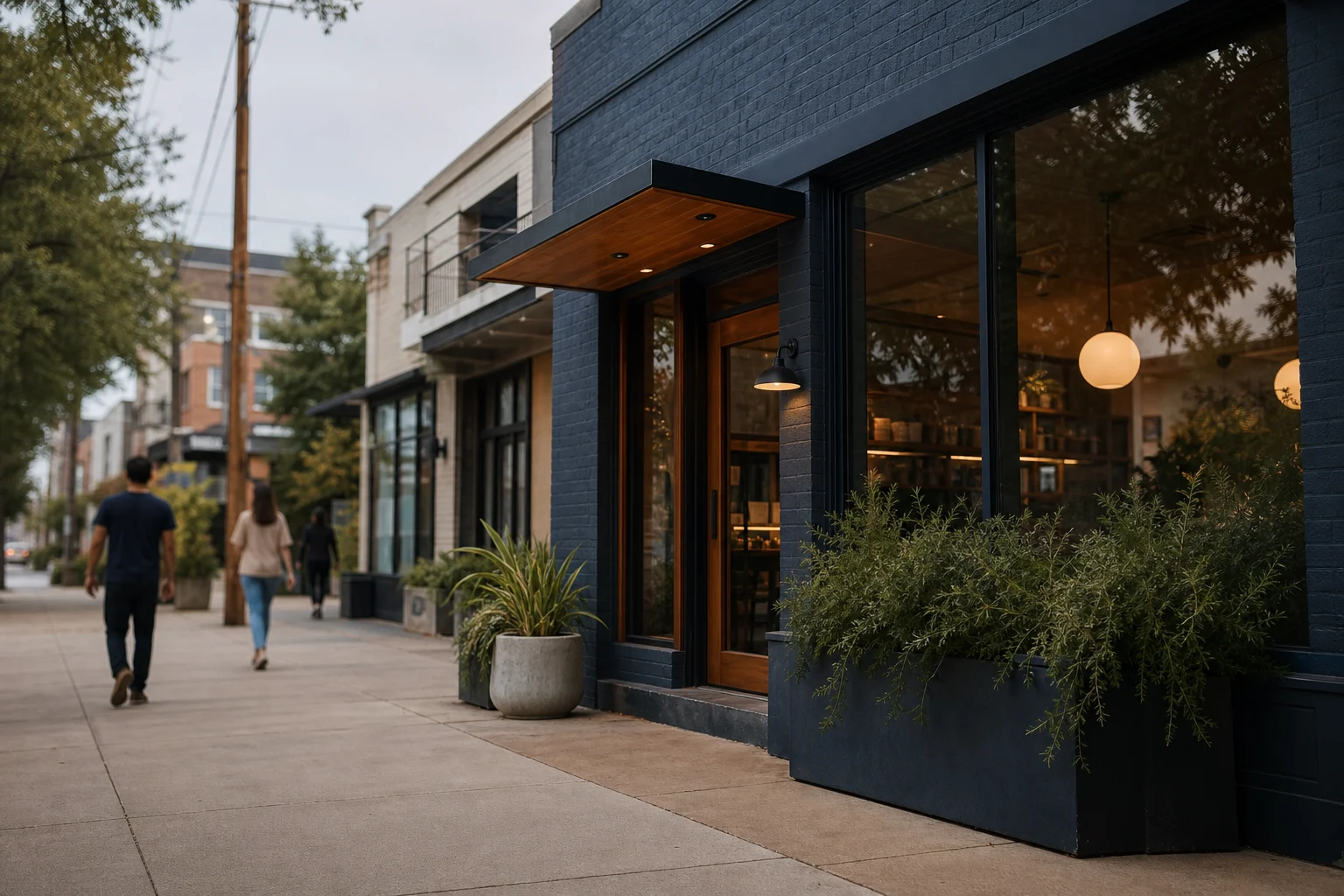
What does it cost to open a coffee shop in San Francisco?
Major cost categories
Lease deposit and first/last month
Commercial lease deposits in San Francisco typically require three to six months of rent upfront, with first and last month payments due at lease signing. The city's commercial real estate market operates on triple net (NNN) leases, meaning tenants pay base rent plus a proportionate share of property taxes, insurance, and maintenance costs. For example, in the Tenderloin neighborhood, rent bands range from $35-$150/sqft/yr NNN, while Chinatown shows a more specific $55/sqft/yr NNN rate. These variations significantly impact the initial cash requirement for securing a location.
Tenant improvements and buildout
Tenant improvements (TI) represent a substantial portion of startup costs, particularly in older buildings requiring significant renovation. San Francisco's building codes and accessibility requirements often necessitate substantial modifications, including ADA compliance upgrades, electrical system upgrades, and plumbing modifications. The condition of the space at lease signing directly impacts these costs, with some landlords offering tenant improvement allowances while others require full tenant responsibility.
Equipment and furniture
Coffee shop equipment costs include espresso machines, grinders, refrigeration, point-of-sale systems, and seating. The scale of the operation and quality of equipment selected significantly impact this budget line. San Francisco's established coffee culture means customers expect high-quality brewing equipment and a comfortable seating environment, which can increase equipment costs compared to less competitive markets.
Licenses, permits, and insurance
San Francisco requires multiple permits and licenses for food service operations, including health department permits, business licenses, and potentially conditional use permits depending on the location. Insurance costs in the city are typically higher than state averages due to increased liability risks and property values. These costs, while smaller than real estate or buildout, represent essential budget items that should not be underestimated.
Initial inventory or supplies
Initial inventory costs include coffee beans, milk, syrups, cups, and other consumables. The volume needed depends on the shop's projected opening sales and the supplier relationships established. San Francisco's competitive market means quality ingredients are expected, which can increase per-unit costs compared to less discerning markets.
Pre-opening payroll and training
Pre-opening payroll covers staff training and preparation for the grand opening. San Francisco's minimum wage requirements are among the highest in the country, increasing labor costs during this period. Training programs should account for the city's diverse customer base and the specific operational requirements of the chosen location.
Working capital reserve
A working capital reserve of three to six months of operating expenses is recommended for San Francisco operations. The city's high cost structure means even temporary revenue shortfalls can quickly deplete cash reserves, making adequate working capital essential for long-term survival.
How San Francisco compares to other CA markets
San Francisco's startup costs significantly exceed other California markets like Los Angeles, San Diego, and Sacramento. Commercial rents in San Francisco are typically 30-50% higher than in these secondary markets, while labor costs are approximately 20-30% higher due to the city's minimum wage requirements. However, the higher customer spending power in San Francisco can offset these increased costs for well-positioned operators.
What competition looks like in the top areas
San Francisco's coffee shop market is highly competitive, with established players dominating key neighborhoods. The Tenderloin neighborhood, with an overall score of 7.2/10, hosts multiple coffee shops including Starbucks Coffee Company, Mellis Cafe, Honey Honey Cafe & Crepery, Magnin Street Cafe & Bistro, Another Cafe, Philz Coffee, Taylor Street Coffee Shop, and Roxanne Cafe. These establishments demonstrate the market saturation in this area, with customer reviews highlighting both quality and neighborhood-specific challenges.
Nob Hill, scoring 7.0/10, features competitors like The Coffee Movement, Haraz Coffee House, Cafe Réveille, and Fresh Brew Coffee. Customer reviews in this area emphasize value and quality, with mentions of exceptional breakfast items and attentive service. The rent band in Nob Hill matches Tenderloin at $35-$150/sqft/yr NNN, reflecting similar commercial real estate values.
Chinatown, with a 6.6/10 score and $55/sqft/yr NNN rent, presents a different market dynamic with its own set of competitors and customer expectations. The neighborhood's unique cultural context influences both operational requirements and customer preferences.
Common cost overrun patterns
Several cost overrun patterns frequently occur in San Francisco coffee shop startups. Underestimating buildout costs due to unexpected structural issues is common, particularly in older buildings. Rent escalation clauses in leases can also lead to budget surprises, as San Francisco's real estate market remains volatile. Additionally, regulatory compliance costs often exceed initial estimates due to the city's stringent requirements.
How to validate your number before committing capital
Validating cost assumptions requires thorough due diligence in San Francisco's market. Obtain multiple commercial real estate quotes to understand true market rents, as advertised prices often include negotiable components. Interview contractors experienced in San Francisco food service buildouts to get realistic TI cost estimates. Research local suppliers to confirm inventory costs and payment terms. Finally, consult with San Francisco business owners who have recently opened similar operations to learn from their experiences.
| Neighborhood | Locavisor score | Rent band | Local operator signal | Founder validation check |
|---|---|---|---|---|
| Tenderloin | 7.2/10 | $35-$150/sqft/yr NNN | Starbucks Coffee Company, Mellis Cafe | Validate lease terms, buildout condition, equipment scope, and reserves. |
| Nob Hill | 7.0/10 | $35-$150/sqft/yr NNN | The Coffee Movement, Haraz Coffee House | Validate lease terms, buildout condition, equipment scope, and reserves. |
| Chinatown | 6.6/10 | $55/sqft/yr NNN | The Coffee Movement, Capital One Café | Validate lease terms, buildout condition, equipment scope, and reserves. |
| SoMa | 6.3/10 | $35-$150/sqft/yr NNN | Delah Coffee, Capital One Café | Validate lease terms, buildout condition, equipment scope, and reserves. |
| Mission Bay / Dogpatch | 6.1/10 | $55/sqft/yr NNN | Cafe Réveille, Philz Coffee | Validate lease terms, buildout condition, equipment scope, and reserves. |

FAQ
Q: What are the most affordable neighborhoods to open a coffee shop in San Francisco?
A: Based on Locavisor scoring, Mission Bay/Dogpatch (6.1/10) and SoMa (6.3/10) offer relatively more affordable rent bands at $55/sqft/yr NNN, compared to Tenderloin (7.2/10) and Nob Hill (7.0/10) which have broader rent ranges of $35-$150/sqft/yr NNN.
Q: How do San Francisco's labor costs compare to other cities?
Q: What permits are required to open a coffee shop in San Francisco?
A: Essential permits include San Francisco Department of Public Health food service permits, Business Registration Certificate from the Office of the City Treasurer, and potentially conditional use permits depending on the specific location and operational plans.
Last reviewed: 2026-05-30
Sources: U.S. Census Bureau ACS, LEHD LODES, Google Places, OpenStreetMap, Locavisor neighborhood scoring.
Methodology: Locavisor scores neighborhoods across demand, competition fit, rent fit, accessibility, and customer match. Scores reflect a snapshot of recent data and should be combined with on-the-ground research before lease decisions.
Disclaimer: This article provides informational content only and does not constitute legal, financial, accounting, or real-estate advice. Verify lease terms, licensing, local regulations, costs, and professional requirements with qualified local professionals before making business decisions.
Free preview shows top 3 neighborhoods. Full $9.99 report covers all 10 areas with personalized scoring + 90-day check-ins.
Informational only. Verify lease, licensing, local regulations, costs, and professional requirements with qualified local professionals.