San Jose, CA · coffee shop
Cost to open a coffee shop in San Jose
Opening a coffee shop in San Jose requires careful financial planning. The cost to open a coffee shop in San Jose varies significantly based on location, size, concept, and operational approach. This guide breaks down the practical startup-cost stack for coffee shop founders considering the San Jose market, helping you understand where your money will go and what factors to validate before committing to your venture.
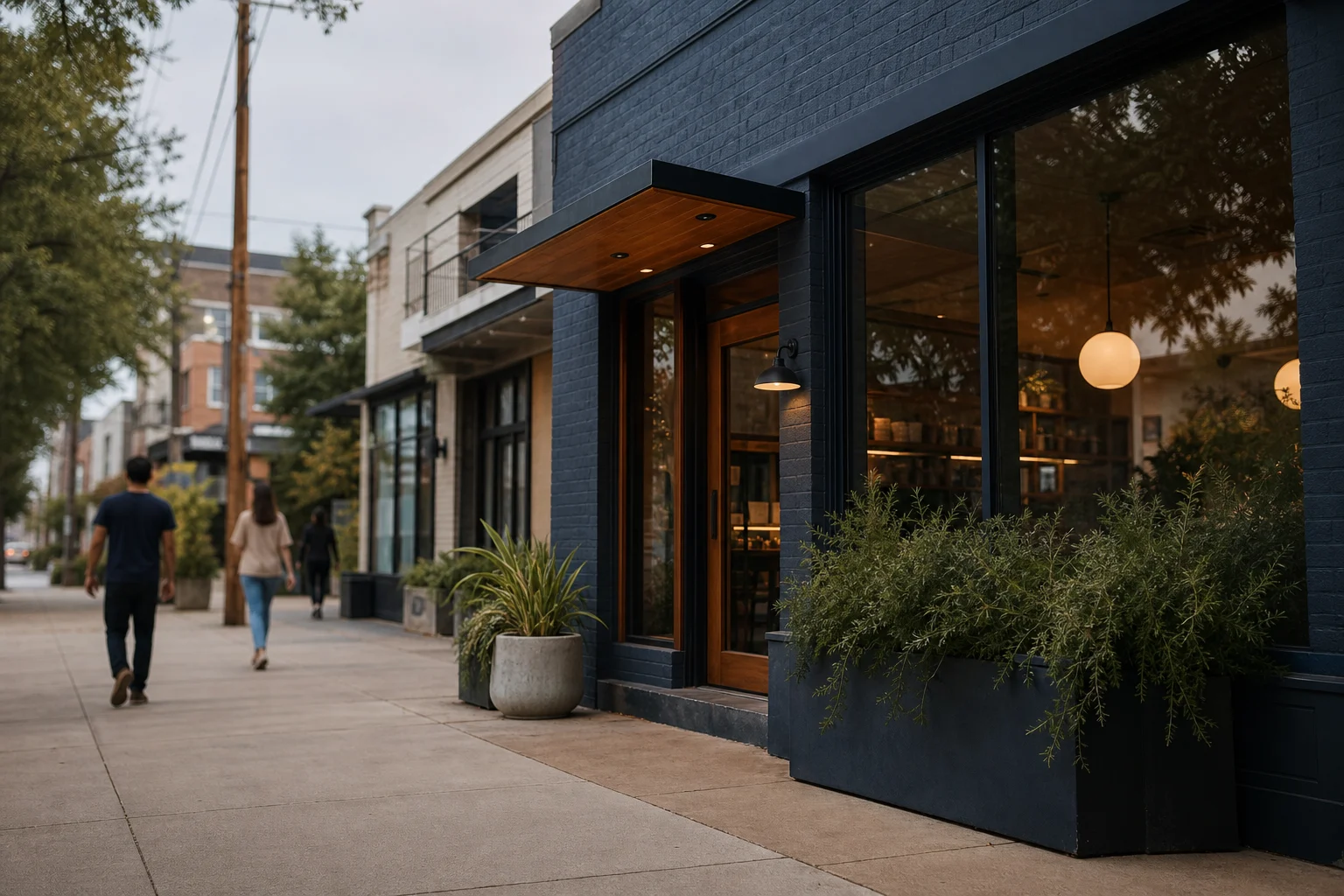
Main startup cost categories
When planning your coffee shop startup, your costs will generally fall into seven main categories. Rent represents your largest fixed expense, followed by buildout and equipment costs. Payroll for your initial team, opening inventory, permits and licenses, and a cash reserve for the first few months of operation round out the essential startup expenses. Each category carries its own variables and considerations that require careful research and planning before you commit significant capital.
Rent and lease assumptions in San Jose
San Jose's rent level is currently low compared to other major California markets, which presents an opportunity for coffee shop founders. According to Locavisor neighborhood scoring, the market temperature is promising with medium competition density. When evaluating locations, consider these top three areas:
Downtown San Jose (7.3/10) — San Jose's CBD anchored by SJSU, Adobe HQ, and SAP Center. Strong daytime office-worker and student traffic with walkability near ceiling. Expect roughly $45-70/sqft NNN. ~10,500 weekday lunch workers within 800m.
Santana Row / Valley Fair (6.7/10) — Premium retail corridor anchored by Westfield Valley Fair and Santana Row. Affluent customer base with office density from nearby tech campuses. Expect roughly $45-70/sqft NNN. Blue Bottle Coffee (4.1★, 958 reviews) and two Starbucks within 300m create a saturated coffee landscape. High foot traffic but high rent and fierce brand-name competition make this a tough play for a medium-budget indie.
Naglee Park / SJSU area (6.3/10) — Historic district adjacent to SJSU with strong student and residential density. No direct coffee competitors found within the search radius — a notable gap. Expect roughly $45-70/sqft NNN. ~8,000 potential repeat households within 800m. Student index is strong but office-worker daytime traffic is weak, so revenue skews toward afternoon/evening study sessions and weekend brunch.
The Downtown San Jose area offers the highest score at 7.3/10, with strong daytime traffic from office workers and students. Santana Row / Valley Fair has a premium customer base but faces significant competition from established chains. Naglee Park / SJSU presents an interesting opportunity with no direct coffee competitors in the immediate area, though with a different customer profile focused on students and residents.
Buildout, equipment, payroll, opening inventory, permits, and cash reserve
Your buildout costs will depend heavily on the condition of your space and your concept's requirements. A ground-up buildout in a raw space will cost significantly more than renovating an existing food-service location. Equipment represents another major expense, with espresso machines, grinders, brewers, refrigeration, and POS systems all requiring substantial investment.
Payroll costs include not just your baristas but potentially management staff during the launch phase. Opening inventory covers your initial coffee beans, milk, syrups, pastries, and supplies. Permits and licenses in San Jose include health department approvals, business licenses, and potentially specific coffee shop regulations depending on your location and concept.
Finally, maintaining a cash reserve is crucial for covering unexpected expenses and supporting operations before reaching profitability. The size of this reserve depends on your monthly burn rate and various market-specific factors.

Lean vs moderate vs generous launch budgets
Your approach to budgeting will significantly impact your coffee shop's scope and potential. A lean budget might focus on a smaller space with used equipment and minimal buildout, targeting quick profitability with lower overhead. A moderate budget allows for better equipment, more comfortable seating, and a more polished customer experience. A generous budget enables premium equipment, extensive buildout, prime locations, and potentially multiple revenue streams like full food service or event hosting.
Each approach carries different risk profiles and potential returns. A lean launch might get you open faster with less capital at risk, but could limit growth potential. A generous launch positions you for market leadership but requires significantly more capital and carries higher financial risk.
What to validate before spending money
Before committing significant capital to your coffee shop venture, validate these key areas:
First, thoroughly vet your lease assumptions. Beyond the base rent, understand the triple net (NNN) costs, common area maintenance fees, and potential percentage rent clauses. Verify that the quoted $45-70/sqft NNN range aligns with your specific space and negotiate favorable terms where possible.
Second, carefully scope your buildout requirements. Obtain detailed quotes from contractors who understand food-service construction. Factor in plumbing, electrical, ventilation, and ADA compliance requirements that may not be immediately apparent.
Third, create a detailed equipment list with specific models and vendors. Equipment quality directly impacts product quality and operational efficiency. Consider both initial costs and long-term maintenance requirements.
Fourth, develop a realistic payroll model. Factor in not just wages but also payroll taxes, benefits, and potential overtime. Consider whether you'll need full-time or part-time staff based on projected business volume.
Fifth, calculate your opening inventory needs. Consider both initial stock and the time required to establish reliable supply chains. Factor in potential waste during the learning curve.
Sixth, determine your required cash reserve. This should cover at least several months of operating expenses while you build customer base and refine operations.
Finally, engage local professionals for review. A San Jose-based accountant can help with financial projections, while a restaurant consultant can provide valuable insights specific to the local market.
FAQ
How much does it cost to open a Coffee Shop in San Jose?
The exact total cost to open a coffee shop in San Jose cannot be estimated from the provided data. Startup costs vary significantly based on numerous factors including location size and quality, buildout requirements, equipment specifications, staffing needs, inventory levels, and local regulatory requirements. Before committing to your venture, validate your specific lease terms, obtain detailed buildout and equipment quotes, develop a comprehensive payroll model, calculate opening inventory needs, determine appropriate cash reserves, and consult with local professionals who understand the San Jose market. The cost-pressure in San Jose is currently moderate with low rent levels, but your specific investment will depend on the choices you make across all these variables.
Last reviewed: 2026-05-05
Sources: U.S. Census Bureau ACS, LEHD LODES, Google Places, OpenStreetMap, Locavisor neighborhood scoring.
Methodology: Locavisor scores neighborhoods across demand, competition fit, rent fit, accessibility, and customer match. Scores reflect a snapshot of recent data and should be combined with on-the-ground research before lease decisions.
Disclaimer: This article provides informational content only and does not constitute legal, financial, accounting, or real-estate advice. Verify lease terms, licensing, local regulations, costs, and professional requirements with qualified local professionals before making business decisions.
Free preview shows top 3 neighborhoods. Full $9.99 report covers all 10 areas with personalized scoring + 90-day check-ins.
Informational only. Verify lease, licensing, local regulations, costs, and professional requirements with qualified local professionals.