Seattle, WA · coffee shop
Cost to open a coffee shop in Seattle
Opening a coffee shop in Seattle requires careful planning of startup costs across multiple categories. The cost to open a coffee shop in Seattle varies significantly based on location, size, concept, and operational approach. Seattle's competitive coffee market demands thorough research before committing capital.
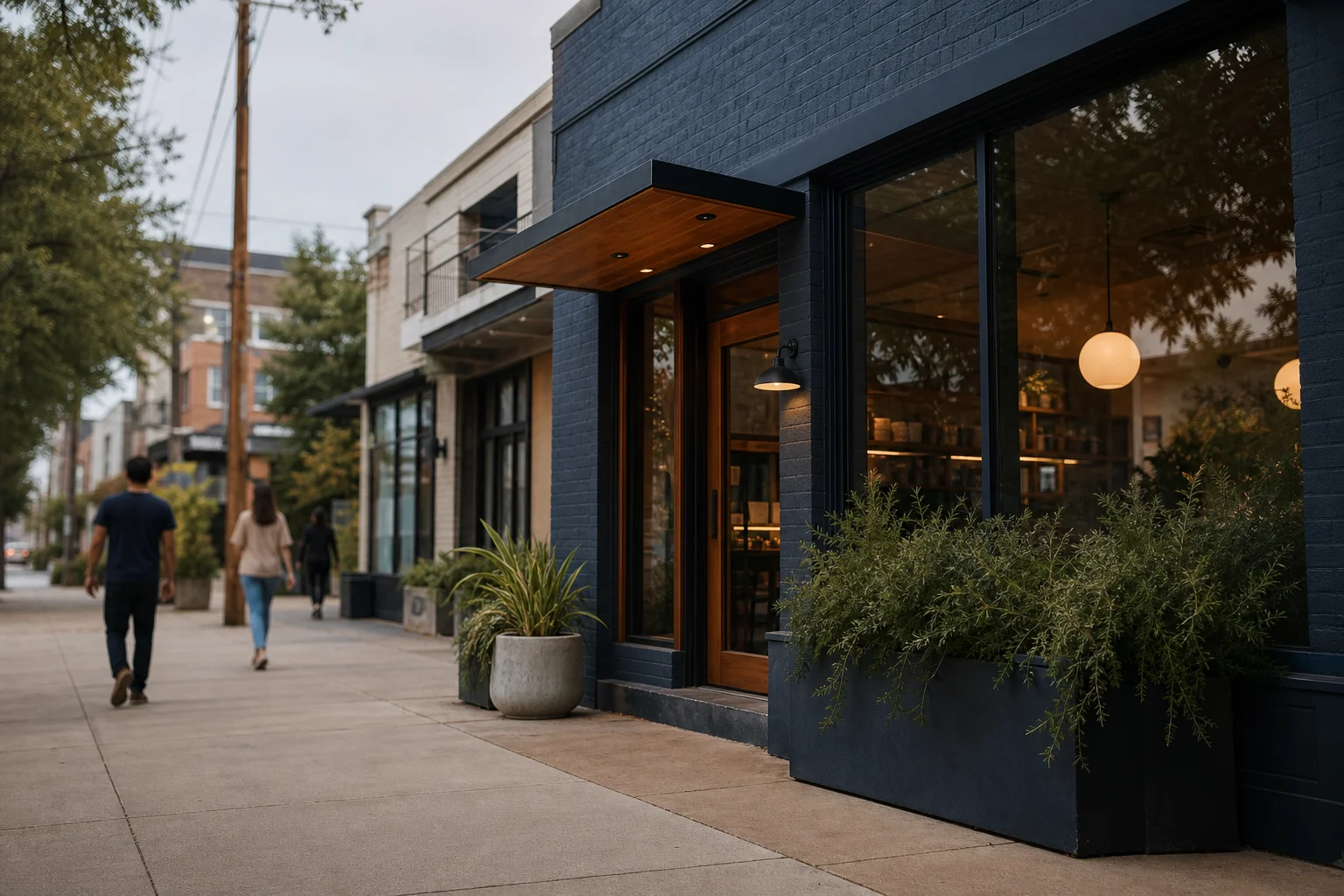
Main startup cost categories
The startup cost stack for a Seattle coffee shop includes several major components that founders must plan for. Each category carries different cost pressures depending on your chosen neighborhood and business model. Understanding these categories helps allocate resources effectively and avoid common pitfalls.
Rent typically represents the largest fixed cost, especially in prime Seattle neighborhoods. Buildout expenses transform raw space into a functional coffee environment. Equipment costs include espresso machines, grinders, refrigeration, and point-of-sale systems. Payroll covers initial staffing needs before revenue stabilizes. Opening inventory covers initial product stock. Permits and licenses ensure compliance with Seattle regulations. Finally, cash reserves sustain operations during the ramp-up period.
Rent and lease assumptions in Seattle
Seattle's coffee shop rental market varies significantly by neighborhood. Locavisor neighborhood scoring identifies Eastlake / Cascade (7.8/10) as the best area for a coffee shop, with a promising market temperature, medium competition density, and low rent level. The score confidence is 78% based on a 2026-05 snapshot.
Eastlake / Cascade offers maxed-out office density from Amazon and Fred Hutch anchors, creating a massive weekday coffee crowd. Rent averages roughly $30-50/sqft NNN, which is manageable for a medium-budget operator. Approximately 10,500 daytime workers within 800m provide a reliable lunch-rush base.
Capitol Hill (7.6/10) represents Seattle's densest F&B corridor with near-ceiling walkability and a maxed-out daytime population. The light rail station drops commuters at your doorstep, but rent climbs to roughly $45-70/sqft NNN, placing it at the upper edge of medium-budget comfort.
Madrona / Leschi (7.5/10) presents a quieter option with roughly $30-50/sqft NNN rent, making it the most affordable of the top-ranked areas. This affluent residential pocket along Lake Washington has approximately 8,000 potential repeat households within 800m. The trade-off includes near-zero car access, weak parking, and a short commercial strip at 34th Ave & Cherry.
Buildout, equipment, payroll, opening inventory, permits, and cash reserve
Buildout costs depend heavily on the condition of your chosen space and your design vision. Seattle's older buildings may require significant structural work, while newer spaces might need only cosmetic updates. The scale of your operation—counter space, seating capacity, storage needs—directly impacts buildout expenses.
Equipment represents another major cost category. Beyond espresso machines and grinders, consider brewing systems, refrigeration, display cases, furniture, and technology infrastructure. The scale and quality of equipment should align with your concept and budget.
Payroll planning must account for initial staffing before revenue stabilizes. Seattle's competitive labor market affects hiring costs and retention strategies. Consider training expenses as your team learns your specific processes and standards.
Opening inventory covers initial product stock including coffee beans, milk, syrups, pastries, and supplies. Inventory levels should match your projected early sales volume while avoiding overstocking perishable items.
Permits and licenses ensure compliance with Seattle regulations. The city has specific requirements for food service, health codes, and signage. Factor in application timelines and potential inspection delays.
Cash reserves sustain operations during the ramp-up period. Many coffee shops take time to build regular customer traffic and establish their presence in the neighborhood.

Lean vs moderate vs generous launch budgets
Founders approach coffee shop launches with different budget philosophies. A lean launch minimizes fixed costs and focuses on core functionality. This approach reduces initial investment but may limit growth potential and customer experience.
A moderate budget balances cost considerations with quality elements that enhance customer appeal. This approach allows for better equipment, more comfortable seating, and stronger branding without excessive overhead.
A generous launch budget prioritizes premium elements throughout the operation. This approach maximizes customer experience and brand positioning but requires higher revenue targets to justify the investment.
The right approach depends on your concept, target market, and risk tolerance. Seattle's coffee market supports various price points, but each requires appropriate investment to succeed.
What to validate before spending money
Before committing significant capital, validate several key assumptions. Lease terms should be thoroughly reviewed, including rent increases, maintenance responsibilities, and renewal options. Consider how the space's layout supports your operational needs and customer flow.
Buildout scope should align with your budget while meeting Seattle's building codes and accessibility requirements. Equipment needs must match your menu and volume expectations without unnecessary features.
Payroll models should reflect Seattle's labor market realities while supporting your service standards. Opening inventory levels should balance initial sales projections with product freshness considerations.
Permit requirements should be fully understood, including application processes, inspection standards, and compliance timelines. Cash reserves should cover projected operating expenses until revenue stabilizes.
Local professional review can identify potential issues before they become costly problems. Consider consulting with Seattle-based coffee shop operators, commercial real estate specialists, and small business advisors.
FAQ
How much does it cost to open a Coffee Shop in Seattle?
The exact total cost to open a coffee shop in Seattle cannot be estimated from the provided data. Startup costs vary significantly based on location, size, concept, and operational approach. Key variables to validate include lease terms and rent in your chosen neighborhood, buildout scope and quality, equipment needs and specifications, staffing requirements, inventory levels, permit costs, and cash reserve needs. Seattle's competitive coffee market requires thorough research and planning before committing capital.
What are the best neighborhoods for a coffee shop in Seattle?
According to Locavisor neighborhood scoring, the top three areas for coffee shops in Seattle are:
- Eastlake / Cascade (7.8/10) — This area offers maxed-out office density from Amazon and Fred Hutch anchors, creating a massive weekday coffee crowd. Rent averages roughly $30-50/sqft NNN, with approximately 10,500 daytime workers within 800m.
- Capitol Hill (7.6/10) — Seattle's densest F&B corridor with near-ceiling walkability and a maxed-out daytime population. The light rail station drops commuters at your doorstep, but rent climbs to roughly $45-70/sqft NNN.
- Madrona / Leschi (7.5/10) — A quieter, affluent residential pocket along Lake Washington with roughly $30-50/sqft NNN rent and approximately 8,000 potential repeat households within 800m. The trade-off includes near-zero car access, weak parking, and a short commercial strip.
How does rent affect coffee shop startup costs in Seattle?
Rent represents one of the largest fixed costs for a coffee shop and varies significantly by neighborhood. Eastlake / Cascade and Madrona / Leschi offer lower rent levels at roughly $30-50/sqft NNN, while Capitol Hill commands higher rents at roughly $45-70/sqft NNN. These differences impact your overall budget and may influence your buildout scope, equipment quality, and staffing levels. Lower rent neighborhoods may require additional investment in marketing to establish customer awareness.
What are common cost traps when opening a coffee shop in Seattle?
Common cost traps include underestimating buildout expenses, especially in older Seattle buildings; over-investing in equipment that doesn't match your actual needs; insufficient cash reserves to sustain operations during the ramp-up period; and overlooking Seattle's specific permit and licensing requirements. Neighborhood-specific challenges like parking limitations in Madrona / Leschi or higher competition in Capitol Hill should also be factored into your planning.
How should I allocate my coffee shop startup budget?
Budget allocation should prioritize areas that directly impact customer experience and operational efficiency. Rent and buildout typically represent the largest investments, followed by equipment and initial inventory. Seattle's competitive market suggests investing in quality equipment and training to ensure product consistency. Allocate sufficient funds for marketing to establish your presence in the chosen neighborhood. Maintain a cash reserve to cover operating expenses before revenue stabilizes. The exact allocation depends on your concept, target market, and risk tolerance.
Last reviewed: 2026-05-05
Sources: U.S. Census Bureau ACS, LEHD LODES, Google Places, OpenStreetMap, Locavisor neighborhood scoring.
Methodology: Locavisor scores neighborhoods across demand, competition fit, rent fit, accessibility, and customer match. Scores reflect a snapshot of recent data and should be combined with on-the-ground research before lease decisions.
Disclaimer: This article provides informational content only and does not constitute legal, financial, accounting, or real-estate advice. Verify lease terms, licensing, local regulations, costs, and professional requirements with qualified local professionals before making business decisions.
Free preview shows top 3 neighborhoods. Full $9.99 report covers all 10 areas with personalized scoring + 90-day check-ins.
Informational only. Verify lease, licensing, local regulations, costs, and professional requirements with qualified local professionals.