Atlanta, GA · dessert shop
Cost to open a dessert shop in Atlanta
Opening a dessert shop in Atlanta requires understanding the practical startup-cost stack. The cost to open a dessert shop in Atlanta varies based on location, scale, and concept. This guide breaks down the key cost factors without providing specific numbers, helping founders make informed decisions about their investment.
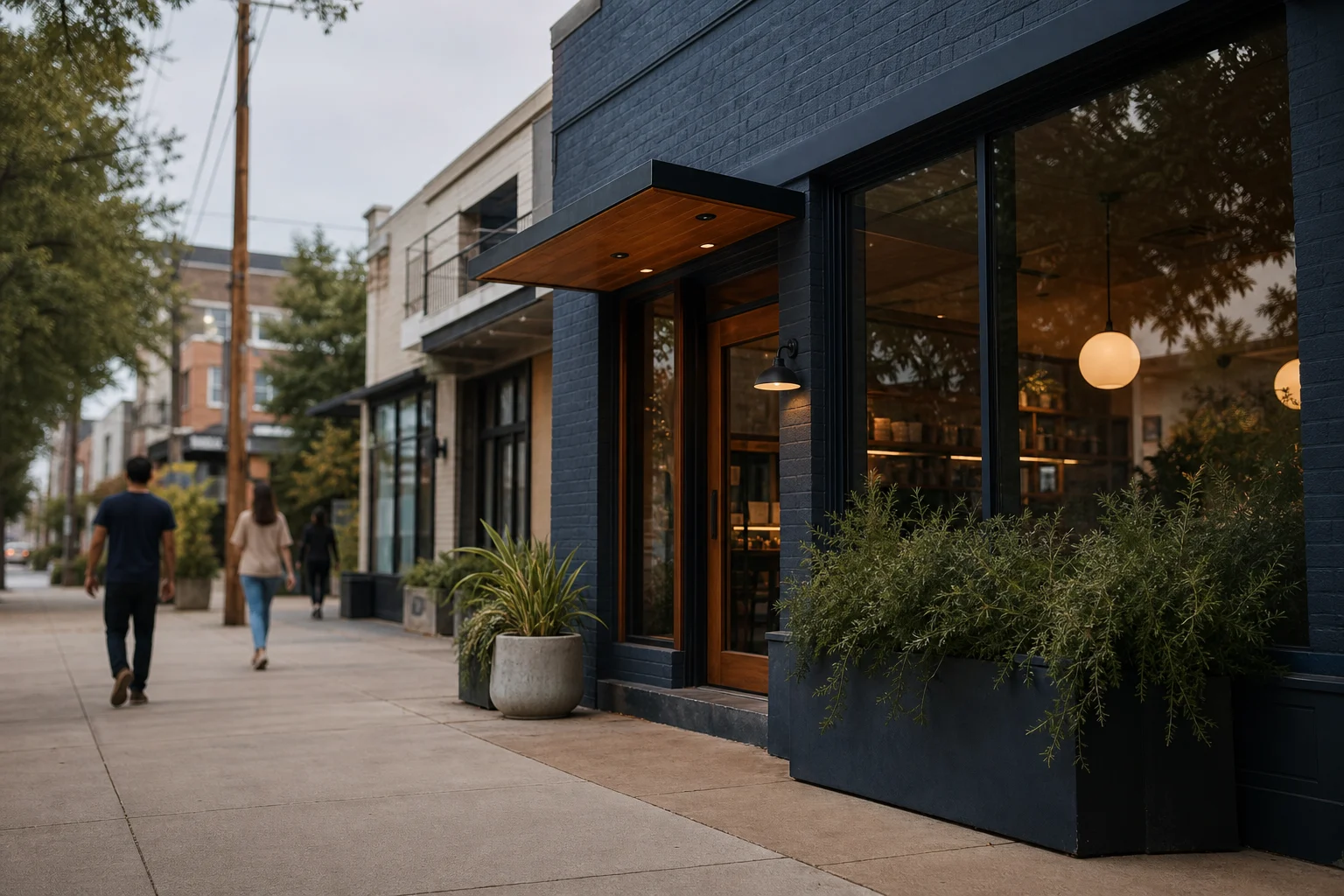
Main startup cost categories
The cost structure for opening a dessert shop in Atlanta includes several key components. Rent typically represents the largest fixed cost, followed by buildout, equipment, permits, hiring, and opening inventory. Each category carries its own variables and considerations that impact your total investment. Understanding these categories helps founders allocate resources effectively and anticipate where costs might exceed initial expectations.
Rent and lease assumptions in Atlanta
Atlanta offers several neighborhoods for dessert shops, each with different rent levels and market characteristics. Based on Locavisor neighborhood scoring, here are the top three areas for consideration:
Atlantic Station (5.7/10) — Atlantic Station ranks #1 on sheer daytime demand — maxed-out office density, strong walkability within the master-planned development, and a captive lunch/afternoon crowd from Microsoft, SCAD, and surrounding corporate offices. The catch: rent is at the trophy tier (~$90-140/sqft NNN), which squeezes a medium-budget dessert concept.
Downtown (5.5/10) — Downtown Atlanta delivers the highest walkability and transit access of any area, anchored by Georgia State University (30,000+ students), CNN Center, and Centennial Park tourist traffic. Rent is premium (~$65-95/sqft NNN) but not as extreme as Atlantic Station.
Smyrna / Vinings (5.5/10) — Smyrna / Vinings offers a strong neighborhood-corridor play with Truist Park (Braves) and The Battery as event-driven traffic anchors. Rent is more manageable (~$45-70/sqft NNN) than intown options. Office density is strong (maxed out), but the area is car-dependent with weak transit. Cold Stone Creamery (3.9★, 523 reviews) is the only ice-cream operator — no direct dessert-specialty competitor.
The market temperature in Atlanta is mixed, with medium competition density. Rent levels are high across these areas, particularly in Atlantic Station. When evaluating lease assumptions, consider not just the base rent but also triple net (NNN) charges, common area maintenance, and potential percentage rent clauses. The location's walkability, nearby institutions, and existing competition all impact the potential return on your rent investment.
Buildout, equipment, payroll, opening inventory, permits, and cash reserve
Buildout costs depend on the condition of your space and your concept's requirements. A dessert shop might need specialized equipment like refrigerated display cases, mixers, and ovens. The scale of your operation—whether you're making everything in-house or using some pre-made components—affects both equipment needs and ongoing costs.
Payroll represents another significant expense. Atlanta's minimum wage and labor regulations set the baseline, but your staffing needs depend on your hours, service model, and whether you plan to offer table service. Opening inventory costs vary based on your product mix and suppliers.
Permits and licenses are non-negotiable requirements. Atlanta's health department regulations, along with state and federal requirements, determine what permits you'll need. These costs can add up quickly, especially if your concept requires specialized equipment or processes.
Finally, maintaining adequate cash reserves is crucial. Many founders underestimate the time it takes to reach consistent profitability. Your cash reserve should cover all startup costs plus several months of operating expenses while you build your customer base.

Lean vs moderate vs generous launch budgets
Founders approach dessert shop launches with different budget philosophies. A lean budget might focus on a smaller space with minimal buildout, used equipment, and a limited menu. This approach reduces initial investment but may limit growth potential and operational efficiency.
A moderate budget allows for better equipment, a more comfortable customer experience, and a more comprehensive menu. This balance often provides the best return on investment for many dessert shop concepts.
A generous budget enables premium locations, custom buildouts, high-end equipment, and potentially multiple revenue streams like catering or wholesale partnerships. While this approach offers the highest potential returns, it also carries greater risk and requires more capital to secure.
The right approach depends on your concept, target market, and risk tolerance. Each budget level comes with trade-offs between initial investment and operational flexibility.
What to validate before spending money
Before committing significant capital to your dessert shop, validate several key assumptions:
For lease assumptions, confirm that the foot traffic matches what you observe during different times and days. Verify that the demographic profile aligns with your target customer. Consider potential rent increases and negotiate favorable terms where possible.
For buildout, get multiple contractor quotes and ensure they understand the specific requirements of a food service operation. Consider phased buildout if budget constraints exist.
For equipment, research energy efficiency and maintenance requirements. Consider whether leasing or purchasing makes more sense for each piece of equipment.
For payroll, model different staffing scenarios based on projected sales. Factor in Atlanta's labor market conditions and potential staffing challenges.
For opening inventory, identify reliable suppliers and understand their lead times and minimum order requirements. Consider inventory management systems to reduce waste.
For permits, consult with Atlanta's health department early in the process. Factor in the time required for approvals into your timeline.
Finally, have your business plan and financial projections reviewed by professionals with Atlanta restaurant experience. Their insights can help identify potential cost traps you might have missed.
FAQ
How much does it cost to open A Dessert Shop in Atlanta?
The exact total cost to open a dessert shop in Atlanta cannot be estimated from the provided data. Startup costs vary significantly based on location, concept scale, equipment needs, buildout requirements, and other factors. To determine your specific investment needs, validate lease terms, buildout quotes, equipment costs, permit requirements, staffing needs, and inventory requirements for your specific concept and location. Consider consulting with Atlanta-based restaurant professionals who can provide location-specific guidance on startup costs and potential cost traps.
Last reviewed: 2026-05-08
Sources: U.S. Census Bureau ACS, LEHD LODES, Google Places, OpenStreetMap, Locavisor neighborhood scoring.
Methodology: Locavisor scores neighborhoods across demand, competition fit, rent fit, accessibility, and customer match. Scores reflect a snapshot of recent data and should be combined with on-the-ground research before lease decisions.
Disclaimer: This article provides informational content only and does not constitute legal, financial, accounting, or real-estate advice. Verify lease terms, licensing, local regulations, costs, and professional requirements with qualified local professionals before making business decisions.
Free preview shows top 3 neighborhoods. Full $9.99 report covers all 10 areas with personalized scoring + 90-day check-ins.
Informational only. Verify lease, licensing, local regulations, costs, and professional requirements with qualified local professionals.